The sameness problem behind those unappetizing AI-generated menus
Source Entity
Amanda Silberling
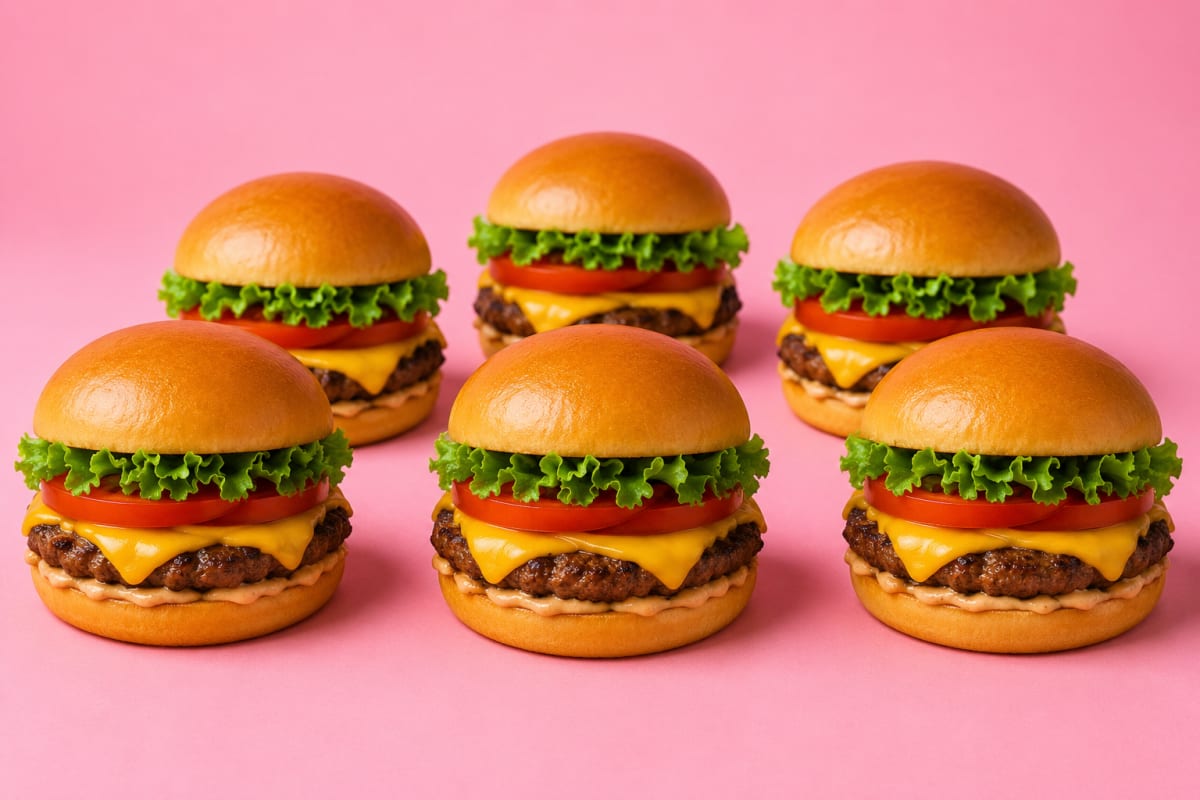
Restaurants are increasingly using generative AI to create menu imagery, resulting in aesthetically unsettling and often bizarre food depictions. Technical limitations in diffusion models and a narrow training focus on 'pleasing' aesthetics are driving this trend, leading to a disconnect between digital marketing and consumer expectations.
The Digital Palate: Why AI-Generated Menus Are Leaving Customers Unsettled
In recent months, a peculiar trend has emerged in the hospitality sector: the adoption of generative AI to create menu illustrations. While restaurant owners often view this technology as a cost-effective shortcut for professional-looking visuals, the results have frequently missed the mark. Customers are reporting a visceral sense of unease when viewing these menus, noting that the food items—ranging from bagel sandwiches to burritos—appear eerily symmetrical, unnaturally smooth, or physically impossible.
The Technical Roots of 'AI Slop'
The source of these unsettling images lies in the fundamental architecture of modern image generators. Many of the leading models rely on diffusion, a process that begins with pure noise and gradually refines it into an image. A critical technical limitation of these models is their documented weakness in generating thin, continuous, or terminating structures. This explains why AI frequently fails to render items like noodles or stringy chicken correctly, often resulting in "donut shrimp" or wormlike appendages that defy culinary logic.
Aesthetic Homogenization and the 'Pleasing' Trap
Beyond technical failures, there is a systemic issue with how these models are trained. AI systems are often optimized for a narrow, idealized aesthetic that prioritizes high-contrast, perfectly symmetrical, and vibrantly colored outputs. While these images might score well on generic "pleasing" metrics, they lack the organic imperfections that humans associate with real food. When a burrito’s cheese looks more like avant-garde sculpture than a melted dairy product, the brain immediately flags it as "fake," triggering a psychological rejection of the product.
Psychological Dissonance in Dining
There is a profound psychological gap between a consumer’s anticipation of a meal and the visual representation provided by AI. Because food is a deeply sensory experience, the human eye is hyper-attuned to inconsistencies in texture and structure. When a menu presents an image that is "too perfect" or structurally nonsensical, it creates a cognitive dissonance that undermines the restaurant’s credibility. The "uncanny valley" effect is in full force here: the more the image attempts to look like real food without capturing the reality of it, the more repulsed the viewer becomes.
The Future of Culinary Marketing
As businesses continue to experiment with AI-generated assets, the industry faces a crossroads. The current trend of using "AI slop" to substitute for real photography is already damaging brand perception. Moving forward, restaurants must decide whether the short-term savings of AI imagery are worth the long-term erosion of customer trust. Authentic, high-quality photography remains the gold standard, as it grounds the consumer in the reality of the ingredients, whereas AI imagery currently serves as a reminder of the machine's inability to replicate the human culinary craft.