Two rival AI super PACs are backing the same congressman. What gives?
Source Entity
Victor Reklaitis
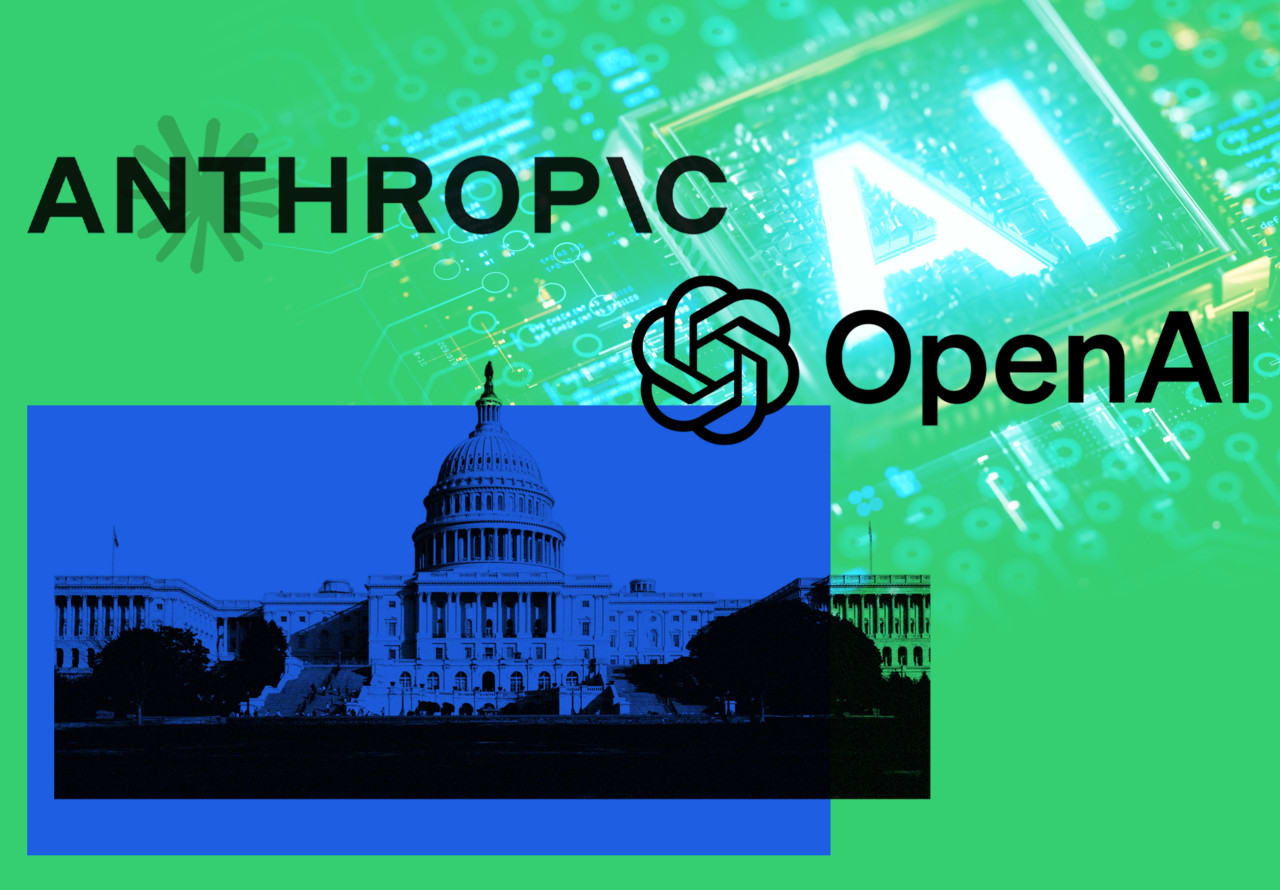
The artificial intelligence industry is increasingly utilizing political action committees to influence elections. This strategy mirrors the recent lobbying efforts adopted by the cryptocurrency sector to shape legislative outcomes.
The Rise of AI-Driven Political Influence
A Shift in Lobbying Tactics
The artificial intelligence industry has begun to mirror the aggressive political engagement strategies previously pioneered by the cryptocurrency sector. By utilizing political action committees (PACs), specifically those focused on AI, the industry is seeking to secure a foothold in the legislative process. This move marks a significant evolution in how emerging technology sectors attempt to shape federal policy, moving beyond traditional corporate lobbying into the high-stakes world of electoral influence.
Strategic Alignment and Rival PACs
Recent reports indicate that even rival AI-focused PACs are converging on supporting the same congressional candidates. This phenomenon suggests a unified industry interest in installing lawmakers who are perceived as favorable to AI development, regardless of the specific competitive landscape between the PACs themselves. By pooling influence toward specific congressmen, these entities aim to ensure that the regulatory environment remains conducive to rapid AI innovation and deployment.
Drawing Parallels to Cryptocurrency
The methodology being employed by the AI industry is explicitly modeled after the strategies used by the crypto sector. Just as cryptocurrency firms faced intense scrutiny and sought to influence election outcomes to prevent restrictive oversight, AI companies are now navigating a similar trajectory. This suggests a growing recognition within the tech sector that electoral outcomes are a primary lever for long-term regulatory success.
Broader Implications for Governance
The involvement of AI PACs in elections carries profound implications for the future of democratic governance. As these organizations pour capital into candidate campaigns, the risk of regulatory capture increases, potentially hindering the government's ability to implement necessary safety guardrails. When industry-backed PACs successfully influence the makeup of Congress, the resulting legislation may reflect corporate interests more heavily than the concerns of the general public regarding AI ethics and safety.
Historical Context and Future Trends
Historically, emerging technologies have often sought to influence policy only after reaching maturity. However, the AI industry is engaging at an accelerated pace, mirroring the rapid development cycle of the technology itself. Moving forward, we can expect to see an increase in PAC activity as the legislative debate over AI safety, data privacy, and intellectual property heats up. This trend suggests that the intersection of Silicon Valley interests and Washington D.C. politics will become increasingly intertwined, defining the legislative landscape for years to come.
Verification Required?