AI, modern design tools set to reshape Prayagraj’s pottery tradition
Source Entity
Latest News: Today's Latest News Headlines from India & World | Hindustan Times | Hindustan Times
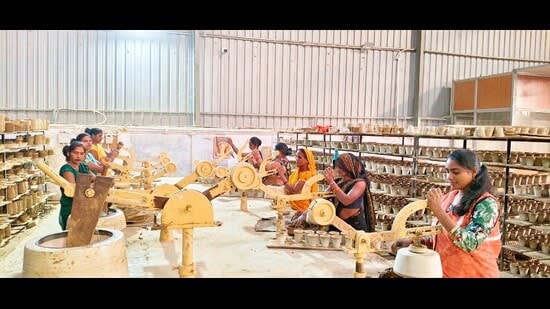
NIFT-Rae Bareli has proposed the integration of Artificial Intelligence and modern design tools into the traditional pottery sector of Prayagraj to modernize product design and optimize color selection.
Bridging Tradition and Technology: AI's Entry into Prayagraj's Pottery Craft
In a significant move to modernize one of India's oldest artisanal crafts, the National Institute of Fashion Technology (NIFT) Rae Bareli has initiated a collaboration with the pottery centers of Prayagraj. The core of this proposal involves the introduction of Artificial Intelligence (AI) and contemporary design tools to revitalize the local pottery tradition. By blending ancestral techniques with algorithmic precision, the initiative seeks to ensure that the craft remains relevant in a globalized market while preserving its cultural essence.
The Role of AI in Product Evolution
The proposal to introduce AI in product design marks a paradigm shift for the local artisans. Traditionally, pottery designs are passed down through generations, often remaining static for decades. AI-driven design tools can offer artisans a way to experiment with parametric shapes and complex geometries that were previously difficult to conceptualize or execute. By using generative design software, potters can create prototypes that optimize both aesthetics and structural integrity, allowing them to diversify their product line from simple utility ware to high-end architectural and decorative pieces.
Data-Driven Color Selection and Market Alignment
Beyond structural design, the focus on AI-assisted color selection addresses a critical gap in the traditional craft: market alignment. AI can analyze global interior design trends, consumer behavior data, and seasonal color palettes to suggest schemes that appeal to modern urban consumers and international buyers. This ensures that the pottery produced in Prayagraj is not only culturally authentic but also commercially viable, helping artisans move away from generic colors toward sophisticated palettes that command higher price points in the luxury home decor market.
Historical Context and the Need for Intervention
Prayagraj has a long history of clay work, deeply tied to the geography of the region. However, like many traditional handicrafts, the pottery sector has faced declining demand due to the rise of mass-produced plastic and industrial ceramic alternatives. The intervention by NIFT-Rae Bareli is a strategic response to this decline. By introducing 'Design Thinking' and technological tools, the project aims to pivot the industry from a volume-based model to a value-based model, where the uniqueness of the handmade process is enhanced—rather than replaced—by digital tools.
Socio-Economic Implications for Local Artisans
The integration of modern tools has the potential to significantly uplift the socio-economic status of the pottery community. When artisans can produce design-forward products that cater to niche markets, their earning potential increases. Furthermore, this collaboration provides a bridge for the younger generation of artisans, who may be more inclined toward technology, to return to their ancestral craft. This 'tech-traditional' hybrid model can prevent the erasure of the craft by making it an attractive and lucrative profession for the youth.
Challenges and the Path Forward
Despite the potential, the transition will not be without challenges. The 'digital divide' remains a significant hurdle, as many traditional potters may lack the basic digital literacy required to interact with AI tools. The success of NIFT-Rae Bareli's proposal will depend on the implementation of a hands-on training ecosystem where technology is introduced incrementally. There is also the risk of over-standardization; the goal must remain the empowerment of the artisan's vision rather than the replacement of human creativity with machine-generated templates.
Conclusion
The proposed integration of AI into Prayagraj’s pottery tradition is a visionary step toward the 'phygital' evolution of Indian handicrafts. By leveraging the expertise of NIFT-Rae Bareli, the pottery centers can transform their traditional output into contemporary art. This model serves as a critical blueprint for other traditional clusters across India, proving that technology, when applied thoughtfully, can act as a preservative for culture rather than a disruptor.
Verification Required?