Guitar mistaken for pillion, turban for bare head: When AI traffic cameras get it wrong
Source Entity
SIDDHI DHARMADHIKARI
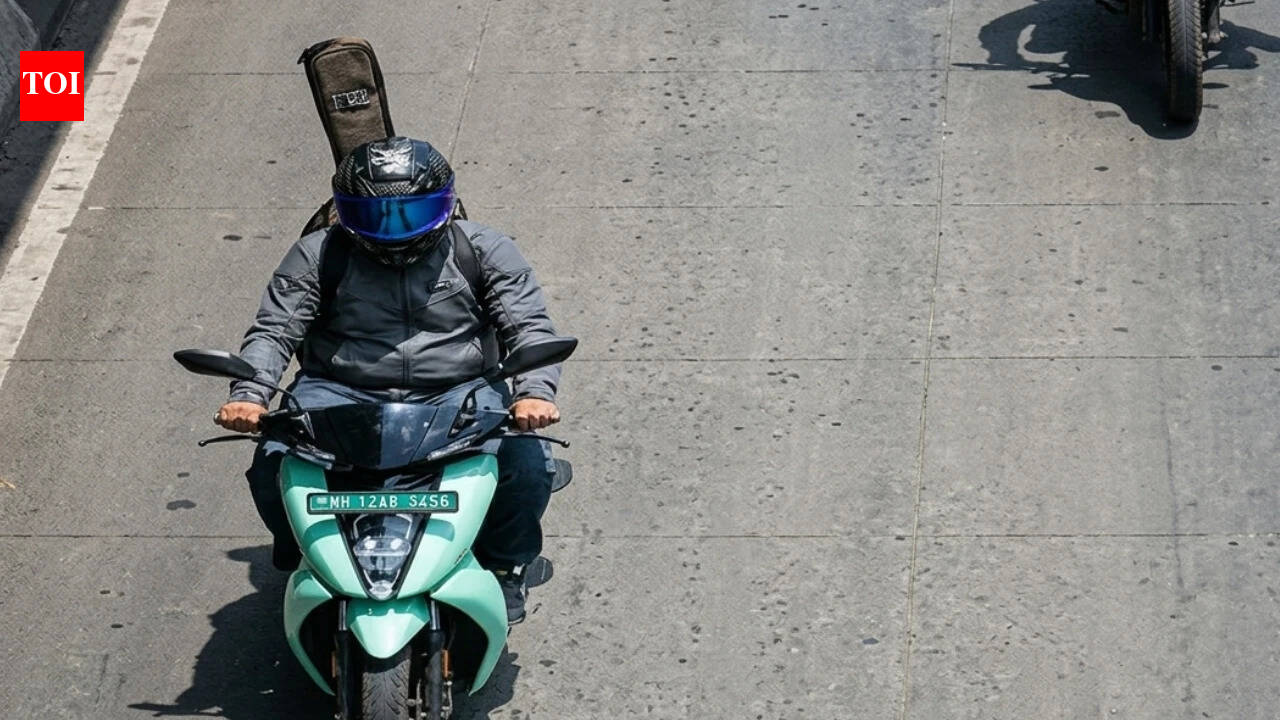
AI-powered traffic cameras in India are frequently misidentifying objects like guitars and turbans as safety violations, leading to a surge in erroneous e-challans. While the system aims to automate enforcement, the rise in complaints highlights critical flaws in detection accuracy and the need for better accountability.
The Growing Pains of AI Traffic Enforcement in India
As India accelerates its digital transformation, the deployment of AI-powered traffic cameras has become a cornerstone of urban traffic management. Designed to enhance road safety and minimize human intervention, these systems are intended to automatically detect violations like helmetless riding and seat belt non-compliance. However, the recent surge in erroneous e-challans—where mundane objects like guitars are flagged as pillion passengers or religious headgear is misidentified as a bare head—reveals a significant gap between technological ambition and ground-level reality.
The Mechanics of Misidentification
The root of these errors often lies in the sophistication of the computer vision models tasked with interpreting complex urban environments. In the case of a guitar being mistaken for a helmetless pillion rider, the AI likely detected a distinct shape protruding from a vehicle and, lacking the nuance to distinguish between human anatomy and inanimate objects, triggered an automatic violation. Similarly, when turban-wearing Sikh motorists are fined for 'not wearing helmets,' it suggests a failure in the algorithm’s training data diversity. If the system is not adequately trained to recognize religious headgear as a distinct, compliant form of head protection, it defaults to a 'violation' flag, demonstrating a failure in the model's edge-case handling.
Scaling Challenges and Accountability
The scale of this issue is substantial, with complaints regarding e-challans rising 2.7 times over the last two years, reaching over 3 lakh in 2025. This rapid expansion of automated surveillance systems has outpaced the development of robust grievance redressal mechanisms. When the system is treated as an infallible arbiter of law, the burden of proof is unfairly shifted onto the citizen. This creates a systemic accountability vacuum where motorists must expend significant time and energy to contest fines that were incorrectly generated by an opaque, automated process.
The Lifecycle of an E-Challan Error
It is important to note that not every error is an inherent failure of the AI model itself. The journey of an e-challan—from the moment of detection to the final issuance—involves multiple layers of data processing, including license plate recognition (LPR) and vehicle registration database lookups. Errors can creep in at the identification stage, where a slightly obscured or misread number plate leads to a notice being sent to the wrong vehicle owner. This highlights that the entire enforcement ecosystem, rather than just the camera's sensor, requires a comprehensive audit to ensure accuracy.
Empowering the Motorist
In this current climate of technological flux, it is essential for drivers to remain vigilant. The standard protocol for addressing an incorrect fine involves a meticulous review of the evidence provided in the e-challan portal. Motorists are advised to cross-reference the provided photograph with their vehicle’s registration details, model, and specific violation markers. By gathering physical evidence—such as the vehicle’s registration certificate or supplementary photos—drivers can successfully challenge these errors. As the technology continues to evolve, the integration of human-in-the-loop oversight remains the most viable bridge to minimize these frustrating and frequent technical errors.