Resignation of six AIADMK MLAs rock Tamil Nadu Assembly
Source Entity
India Latest News: Top National Headlines Today & Breaking News | The Hindu
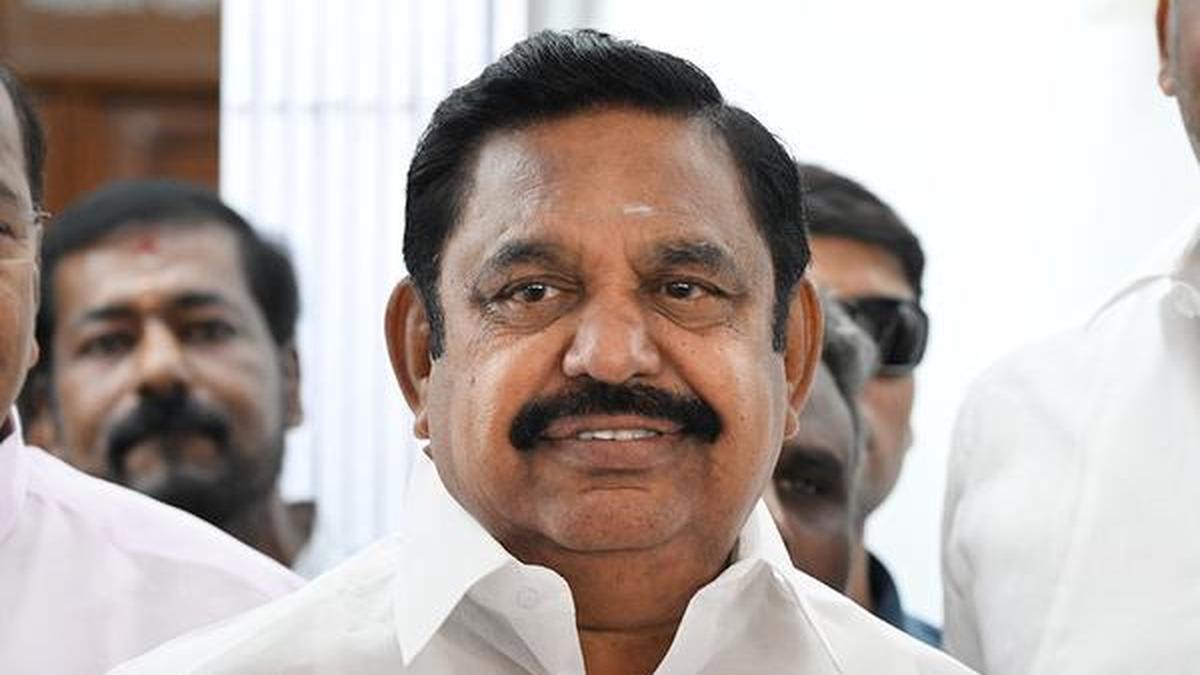
The Tamil Nadu Assembly faced significant disruption following the resignation of six AIADMK MLAs shortly after taking office. The situation has sparked a heated debate regarding democratic representation and the procedural role of the Election Commission.
Political Turmoil in the Tamil Nadu Assembly
On August 25, 2026, the Tamil Nadu Legislative Assembly experienced a profound political disruption following the sudden resignation of six AIADMK MLAs. These resignations, occurring within a mere month of the members taking their oaths, have created a legislative vacuum that has drawn immediate scrutiny from both the ruling party and the opposition. The vacancies in the constituencies of Maduranthakam, Perundurai, Dharapuram, Ambasamudram, Viralimalai, and Karur represent a significant departure from standard legislative continuity.
The Crisis of Representation
DMK MLA S. Austin initiated the formal challenge to these resignations, arguing that the departure of these representatives has effectively silenced the electorate in the affected regions. By asserting that the "voice of the people" has been crippled, Austin highlighted the fundamental democratic concern regarding the loss of constituent advocacy. In any parliamentary system, the sudden absence of elected officials creates a period of legislative paralysis where local grievances and developmental needs remain unaddressed at the state level.
Legislative and Judicial Standoff
Speaker J.C.D. Prabhakar addressed the upheaval by emphasizing the voluntary nature of the resignations, deferring the procedural resolution to the Election Commission of India (ECI). The Speaker’s refusal to permit further debate, citing that the matter is currently sub judice, underscores the complex intersection of legislative autonomy and judicial intervention. This procedural deadlock prevents the Assembly from immediately addressing the vacuum, leaving the legal status of these seats in a state of suspended animation.
Partisan Tensions and Escalation
The atmosphere within the House deteriorated as the debate prompted sharp exchanges between the AIADMK bloc, led by former Chief Minister Edappadi K. Palaniswami, and the ruling party members. Such confrontations are characteristic of high-stakes political environments where the sudden loss of seats can shift the balance of power or serve as a barometer for broader political instability. The intensity of these reactions suggests that the resignations are perceived as more than mere administrative vacancies; they are viewed as tactical maneuvers that disrupt the established political order.
Future Implications for ECI and Electoral Integrity
Looking ahead, the responsibility now falls on the Election Commission of India to manage the subsequent by-elections. The timeline for these polls will be crucial, as the prolonged absence of representation in six key constituencies places immense pressure on the ECI to restore democratic functions. Future trends in Tamil Nadu politics will likely hinge on how these vacancies are filled and whether the judicial proceedings currently mentioned by the Speaker lead to a precedent that could limit or govern future mid-term resignations by elected officials.
Verification Required?