Air Force Golf Course in Delhi closed until further notice
Source Entity
Devansh Mittal, Sakshi Chand
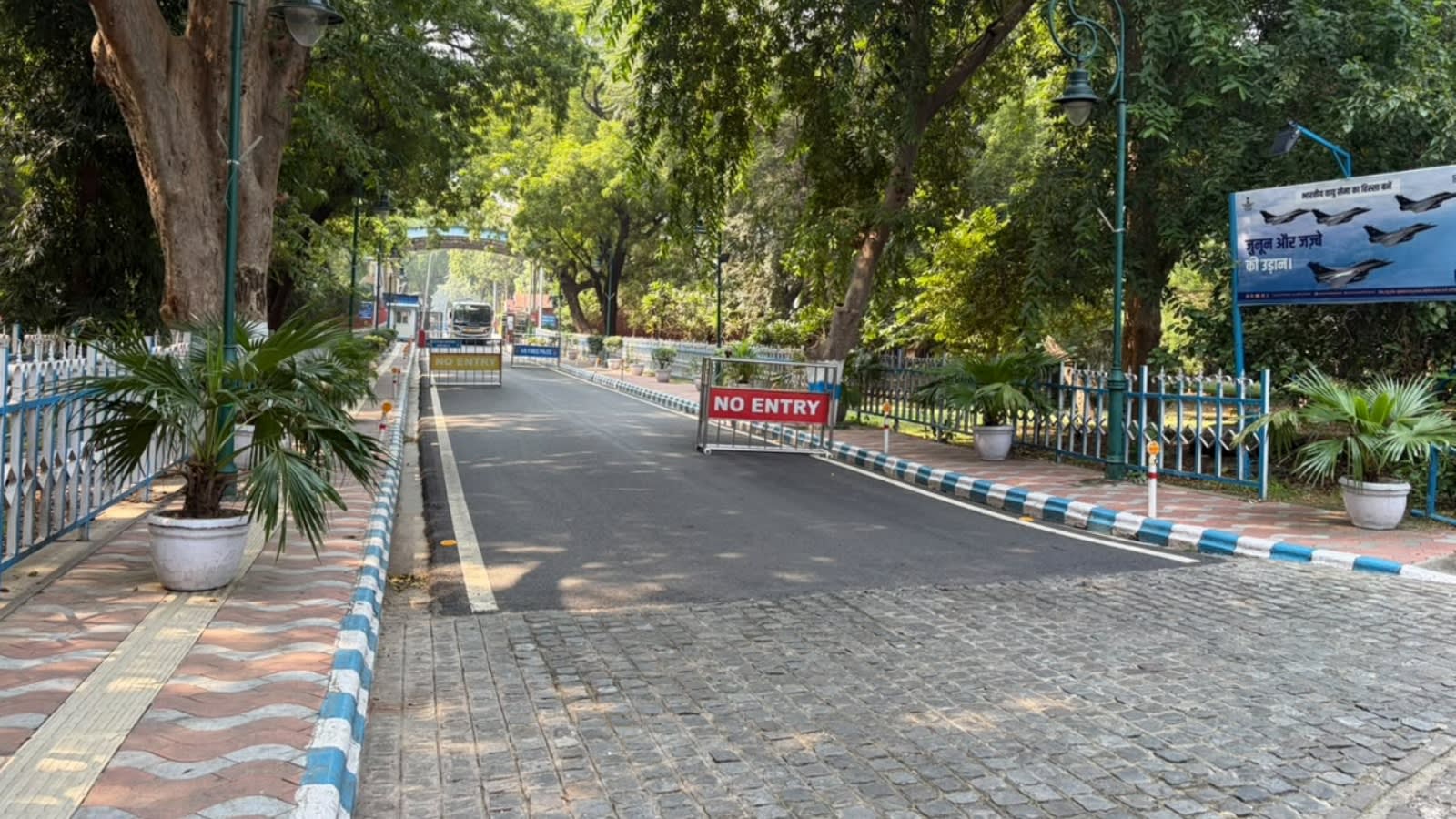
The Air Force Sports Complex in Delhi has been abruptly closed until further notice, affecting hundreds of staff members and facility users. This move aligns with a wider government strategy to reclaim prime Lutyens' Delhi land for public projects.
The Closure of the Air Force Sports Complex: An Overview
The sudden closure of the Air Force Sports Complex (AFSC) on Lok Kalyan Marg has sent shockwaves through the military and civilian community in Delhi. Located within the secure confines of the Air Force Station, this 30-acre facility has long served as a vital recreational hub for serving and retired personnel. The abrupt nature of the shutdown, effective immediately as of Wednesday, has left hundreds of staff members in a state of professional limbo and has sparked significant concern among the facility's extensive membership base.
A Pattern of Land Reclamation
This development does not exist in a vacuum; it is part of an ongoing, broader initiative by the central government to reclaim prime real estate within the prestigious Lutyens’ Delhi area. Throughout this year, several high-profile institutions have faced similar eviction orders, including the historic Delhi Gymkhana Club, the Delhi Race Club, the Jaipur Polo Ground, and segments of the Sujan Singh Park complex. The government has consistently cited the requirement of these lands for 'public purpose,' signaling a strategic pivot in how state-owned or leased land is utilized in the national capital.
The Socio-Economic Impact on Staff
The most immediate human impact of this closure concerns the hundreds of staff members who have relied on the AFSC for their livelihoods. With the facility shuttered indefinitely, these individuals face an uncertain future. Beyond the loss of employment for administrative and maintenance staff, the closure represents the removal of a critical social infrastructure that provided essential services, including swimming pools, basketball courts, and dining facilities, to the military community.
Assessing the Strategic Significance
The AFSC is not merely a sports venue; it has functioned as a cornerstone of social cohesion for the Air Force fraternity. By housing three restaurants, meeting rooms, and a party hall alongside the golf course, the complex facilitated networking and morale-building for personnel stationed in the capital. Its removal signifies a potential shift in the operational priorities of the Air Force Station, where security and land utilization concerns appear to be outweighing the recreational needs of the personnel.
Future Implications and Trends
Looking ahead, the closure of the AFSC serves as a bellwether for future land-use policy in central Delhi. As the government continues to audit and repossess land from various institutions to meet modern urban development demands, we can expect further friction between legacy institutions and the state. The precedent set by the reclamation of the Jaipur Polo Ground and now the AFSC suggests that no facility, regardless of its historical ties to the military or elite social circles, is immune to these land-use reevaluations. The ultimate fate of these 30 acres remains to be seen, but the trend clearly points toward a total transformation of the Lutyens' landscape.