Putin declares the end of external diktat with 13 million tonnes of food to Africa in 9 months?
Source Entity
Latest News: Todays Latest News Headlines from India & World | Hindustan Times | Hindustan Times
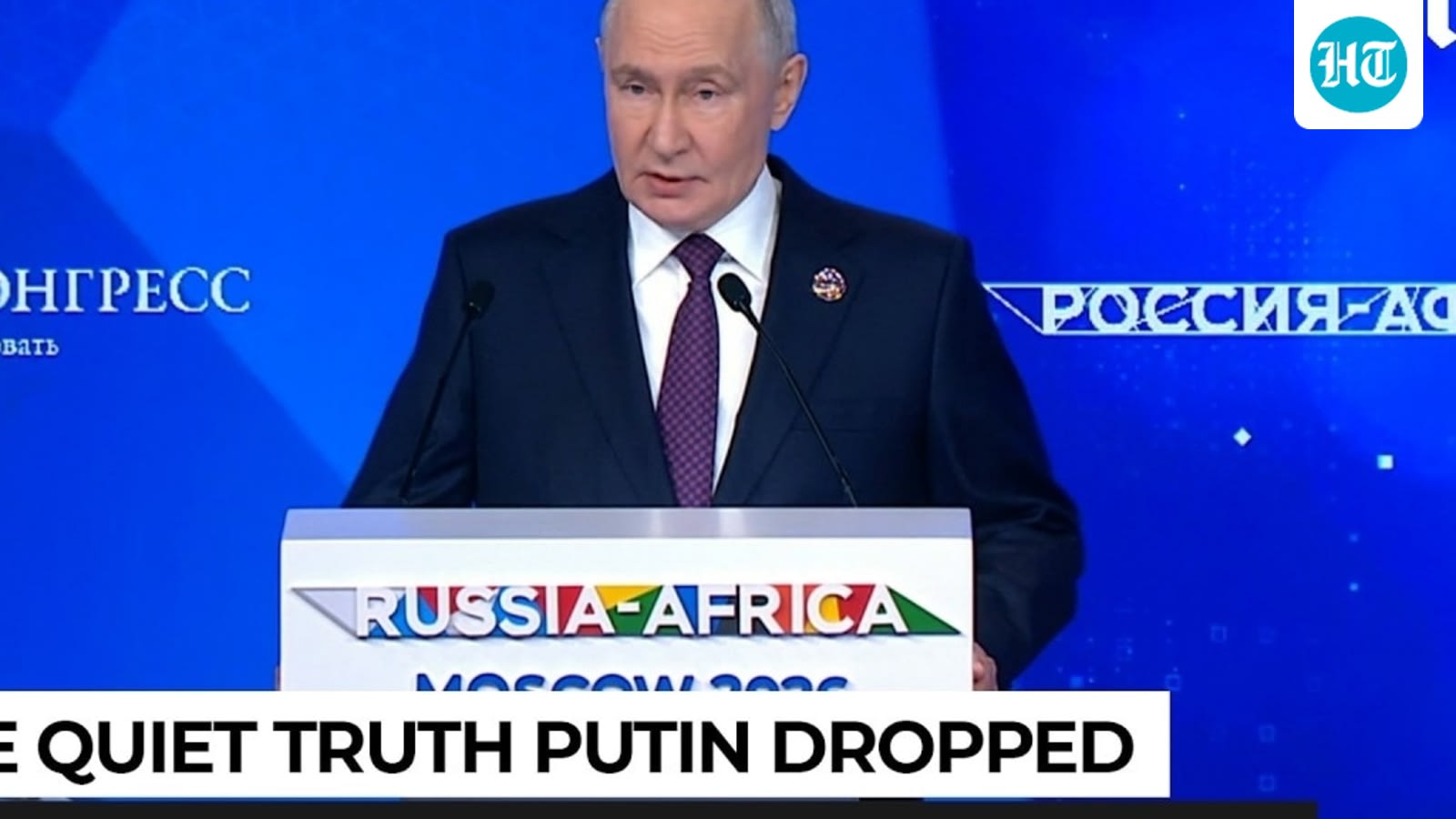
President Vladimir Putin and Foreign Minister Sergei Lavrov have utilized the Russia-Africa Summit to advocate for a multipolar world order. Moscow is positioning itself as a strategic partner to African nations by emphasizing sovereignty, resource control, and humanitarian aid.
The Shift Toward Multipolarity: Russia’s Strategic Pivot to Africa
Russian President Vladimir Putin recently utilized the Russia-Africa Summit in Moscow to articulate a vision of an "irreversible" multipolar world order. By asserting that the era of Western-led global governance is waning, Putin is positioning Russia as a primary architect of a new international framework. This rhetoric is designed to resonate with African nations that have historically sought to distance themselves from traditional external "diktat," or the influence of a few dominant global powers.
Humanitarian Diplomacy as a Foundation
Central to this diplomatic outreach is the tangible provision of humanitarian aid. The commitment to deliver 13 million tonnes of food to Africa within a nine-month window serves as a cornerstone of Moscow’s soft power strategy. By addressing immediate food security concerns, Russia aims to build the trust necessary for deeper, long-term economic integration. This approach shifts the narrative from mere aid dependency to a partnership model that Russia claims is rooted in its historical support for African independence movements.
Economic Sovereignty and Resource Control
Beyond humanitarian efforts, Putin and Foreign Minister Sergei Lavrov have explicitly urged African leaders to seize greater control over their natural resources. The Kremlin’s messaging emphasizes that true sovereignty requires shifting revenue streams toward internal investment in energy, industry, and infrastructure. By encouraging African states to reduce their reliance on Western financial and technological systems, Russia is attempting to carve out a sphere of influence that prioritizes local industrial development and economic self-reliance.
The Rhetoric of the 'Blooming Garden'
Foreign Minister Sergei Lavrov’s recent comments, which contrasted the concept of a "blooming garden" with the "jungles" surrounding it, underscore the hardening ideological divide between Moscow and European powers. By framing Africa as a key pillar of the emerging multipolar world, Lavrov is attempting to rebrand Russia’s geopolitical isolation as an opportunity to lead the Global South. This rhetoric is intended to portray the West as an exclusionary club, while casting Russia as an inclusive partner for developing nations.
Future Trends and Geopolitical Implications
Moving forward, the success of this strategy will depend on Russia's ability to deliver on its developmental promises amidst its own domestic economic constraints. If Moscow can successfully facilitate technology transfers and logistics investments, it may significantly alter the trade dynamics of the continent. However, as global power competition intensifies, African nations will remain a focal point for competing international interests, forcing them to balance their newfound partnerships with Russia against existing global economic ties.
Verification Required?