Railways to turn off charging points in trains during night
Source Entity
India Latest News: Top National Headlines Today & Breaking News | The Hindu
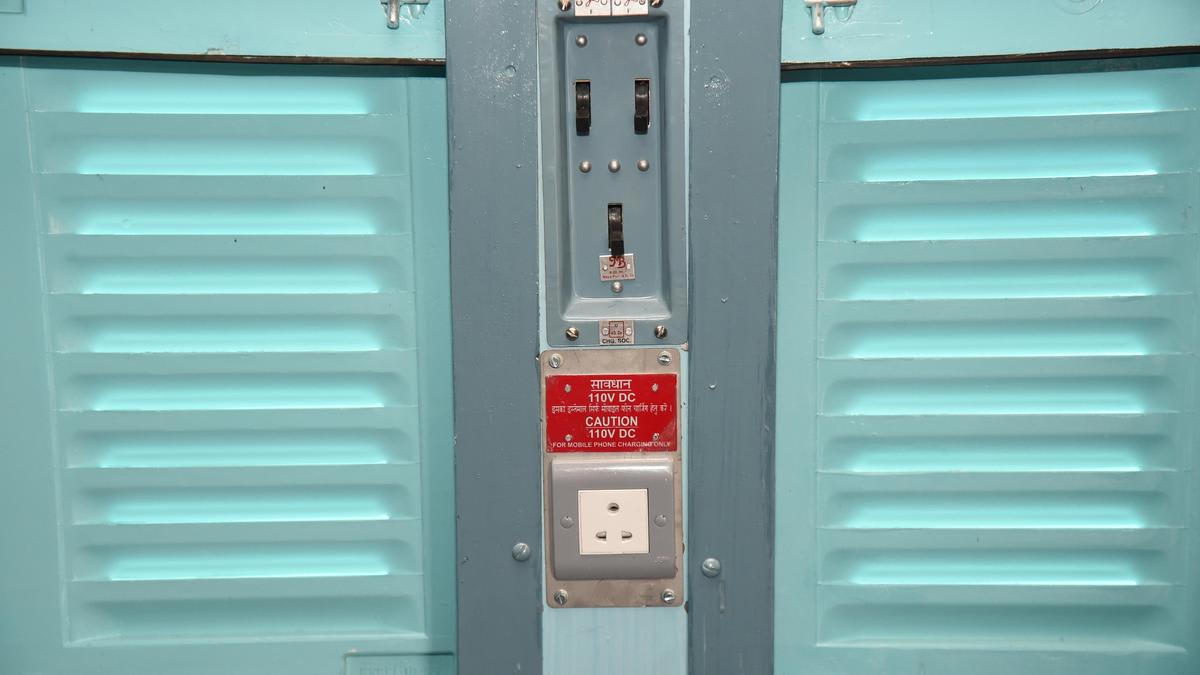
The Indian Railway Board has mandated switching off train charging points between 11 p.m. and 5 a.m. to prevent fire hazards. This directive follows a recent power bank explosion incident and aims to enforce existing but previously neglected safety protocols.
Enhanced Safety Measures on Indian Railways
In a proactive move to bolster passenger safety, the Indian Railway Board has issued a strict directive requiring all zonal railways to deactivate mobile charging points in trains during the overnight hours of 11 p.m. to 5 a.m. This policy shift is not a new invention but rather a rigorous re-implementation of a safety circular that has technically existed for over a decade. The decision follows a concerning incident within the South Eastern Railway zone, where a power bank explosion occurred while a device was being charged, highlighting the critical risks associated with unattended electronic devices in transit.
The Catalyst for Enforcement
The necessity for this renewed enforcement stems from the vulnerability of train compartments to fire hazards. High-capacity power banks and mobile devices, when left charging for extended periods in enclosed, moving environments, present significant risks if faulty or overheated. The recent incident in the South Eastern Railway zone served as a wake-up call, proving that the previous lack of consistent enforcement posed a direct threat to the safety of passengers sleeping in close proximity to these electrical circuits.
Operational Logistics and Compliance
The Railway Board has mandated that supervisory staff and officers conduct surprise inspections across all coaches during these nocturnal hours to ensure absolute compliance. By removing the option for overnight charging, the authorities are effectively mitigating the risk of electrical short-circuits that could lead to fire outbreaks. The directive leaves no room for exceptions, emphasizing that the safety of the train and its passengers takes precedence over the convenience of having fully charged devices at all times.
Addressing Institutional Lapses
Historically, the rule requiring the shutdown of charging circuits was issued years ago, yet its inconsistent application across different zones led to a culture of complacency. The current administration is now prioritizing accountability, ensuring that the oversight that allowed these circuits to remain live is rectified. This institutional push is designed to shift the burden of safety away from individual passenger habits and onto the railway staff, who are now tasked with active management of coach safety systems.
Broader Implications and Future Trends
This measure reflects a broader trend in public transportation where safety protocols are being tightened in response to the proliferation of consumer electronics. As passengers increasingly rely on high-wattage devices and lithium-ion batteries, transport authorities worldwide are re-evaluating fire safety standards. Looking forward, we can expect Indian Railways to continue upgrading their electrical infrastructure to include better surge protection and heat-sensitive cut-offs, ensuring that modern technology does not compromise the structural integrity or safety of rail travel.
Conclusion
The Railway Board’s insistence on this measure underscores a commitment to preventive safety. By formalizing the shutdown of charging points, the railways are effectively minimizing the potential for fire-related emergencies, ensuring a safer transit experience for millions of passengers who traverse the country under the cover of darkness.
Verification Required?