Internet says air-fried food is healthier than deep-fried snacks: But expert explains why using less oil does not automatically make it healthy
Source Entity
Latest News: Todays Latest News Headlines from India & World | Hindustan Times
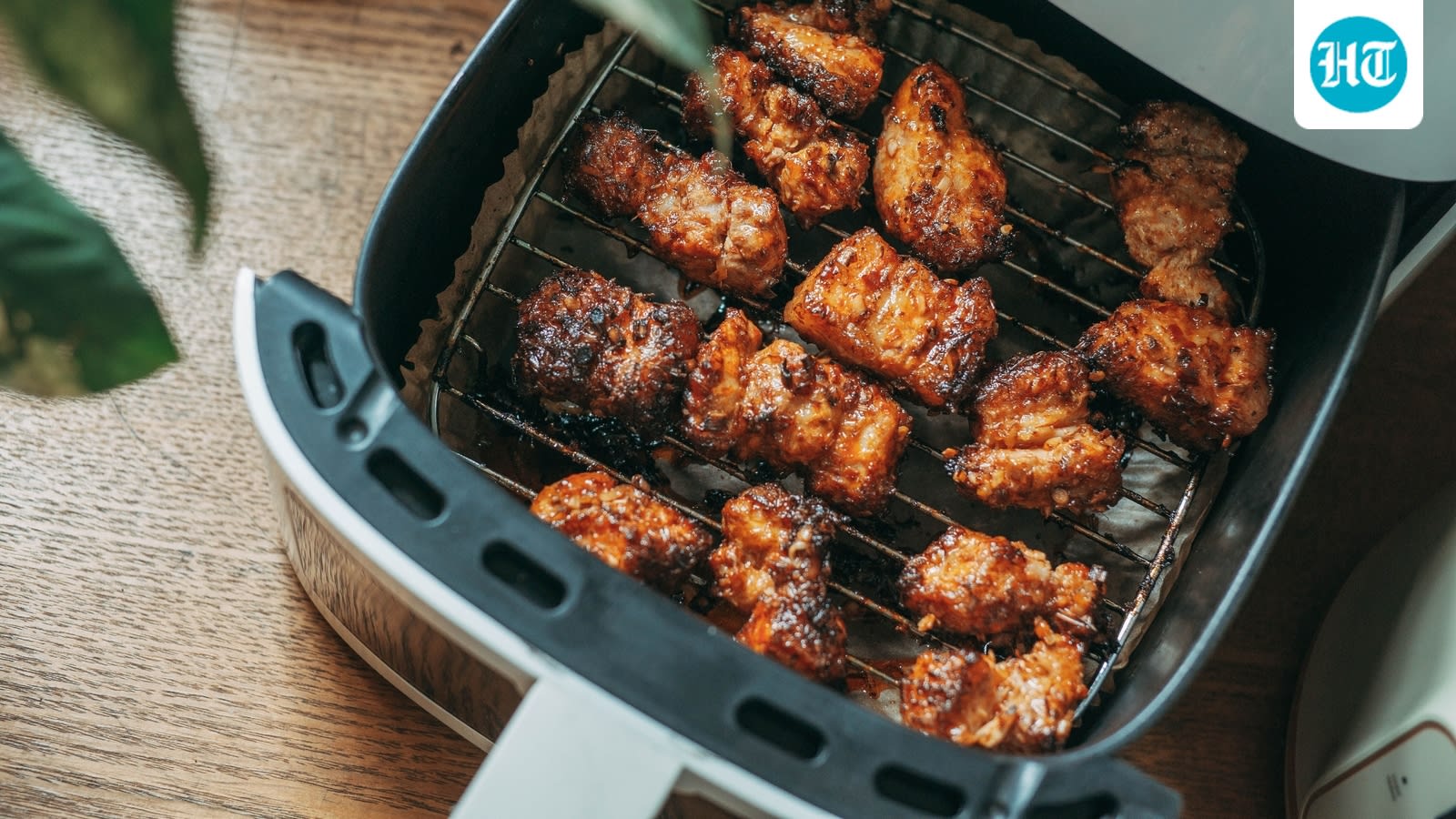
While air frying reduces oil usage compared to traditional deep frying, experts warn that the nutritional value of the food remains dependent on its core ingredients. Simply air-frying snacks does not guarantee health benefits if the base composition remains processed or low in nutrients.
The Air Fryer Paradox: Health Innovation or Marketing Hype?
In recent years, the kitchen appliance landscape has been dominated by the air fryer, a device marketed as the ultimate solution for health-conscious consumers craving crispy textures without the caloric burden of deep-frying. By circulating hot air to simulate the crunch of oil-submerged cooking, air fryers have gained immense popularity, particularly in Indian households looking to enjoy traditional snacks like samosas with less guilt. However, as the ‘Internet vs Reality’ discourse suggests, this shift in cooking methodology requires a more nuanced understanding of nutritional science.
The Nutritional Composition Trap
Dr. Naragund emphasizes that while the reduction of oil is a significant step in lowering total fat and calorie intake, it is not a panacea for poor dietary habits. The health profile of any dish is fundamentally dictated by its ingredients rather than just the cooking medium. A samosa, whether air-fried or deep-fried, remains a processed snack often high in refined carbohydrates and sodium. Simply replacing the cooking method does not transform a nutrient-poor food into a wholesome meal.
Beyond the Oil Content
From a gastroenterological perspective, the focus must shift from the cooking method to the nutritional density of the meal. The excessive consumption of processed snacks, even when prepared with minimal oil, can still contribute to metabolic issues if the food lacks essential fiber, protein, and micronutrients. Experts argue that the frequency of consumption remains a critical factor; relying on the 'healthier' air-fried label to justify frequent consumption of junk food is a common behavioral trap that undermines long-term wellness goals.
Integrating Protein and Fiber
There is a growing trend among fitness influencers, such as Vanshika Khurana, to modify traditional recipes by incorporating protein-rich or fiber-dense ingredients. By altering the filling of a samosa to include healthier alternatives, the dish becomes more balanced. This approach represents a more holistic view of nutrition—one that recognizes that food is not just about avoiding 'bad' fats, but about actively including beneficial nutrients that support satiety and metabolic health.
Cooking Temperatures and Chemical Integrity
Another critical consideration mentioned by experts is the cooking temperature. High-heat cooking methods, including air frying, can sometimes lead to the formation of compounds that are less than ideal if the food is over-processed or cooked at extreme temperatures for too long. Consumers must remain vigilant about the quality of the base ingredients to ensure that the transition to air frying is genuinely beneficial for their digestive and overall systemic health.
Future Trends in Culinary Wellness
As the public becomes more informed, the future of home cooking will likely move toward 'functional indulgence.' This trend involves using modern technology like air fryers to facilitate the preparation of whole-food-based snacks rather than just 'health-washing' traditional processed foods. Ultimately, the air fryer is a tool that enhances convenience, but it cannot replace the necessity of mindful eating and a diet centered on diverse, whole-food nutritional sources.
Verification Required?