Phuket-Delhi flight incident: Air India terminates pilot who failed drug test
Source Entity
YASHASVI VASISTHA
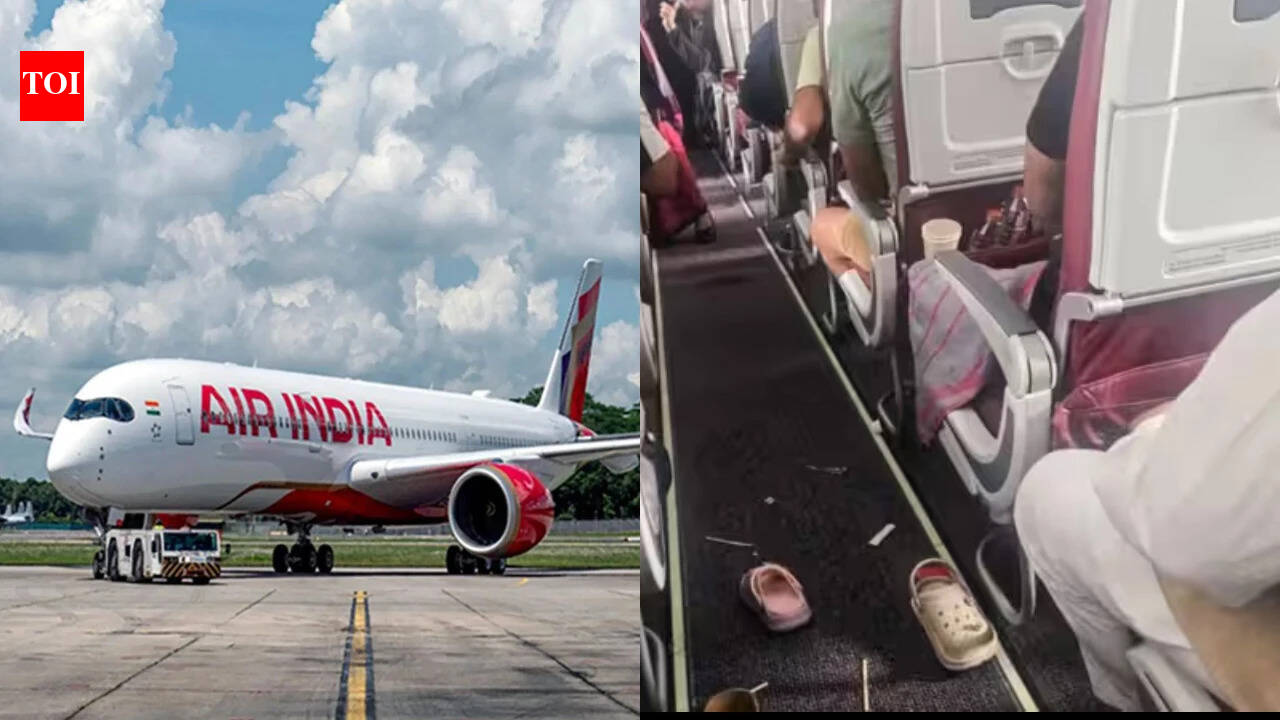
A preliminary investigation into an Air India flight from Phuket to Delhi reveals a critical triple hydraulic failure and a pilot who tested non-negative for psychoactive substances. The incident caused a sudden altitude drop, injuring 24 people, and has prompted urgent safety recommendations from the AAIB.
Investigation Into Air India Phuket-Delhi Mid-Air Incident
On August 4, an Air India Airbus A320neo, registered as VT-EXO, experienced a harrowing mid-air event while operating a flight from Phuket to Delhi. As the aircraft transited the Kolkata Flight Information Region and initiated a climb from FL340 to FL360, it suffered a catastrophic and near-simultaneous failure of all three hydraulic systems—green, blue, and yellow. This technical failure occurred within a mere five-second window, leading to a sudden loss of altitude of approximately 300 feet and triggering automated stall warnings and autopilot disengagement.
Technical Implications of Hydraulic Failure
The loss of all three hydraulic systems in an A320 aircraft is an extremely rare and severe event. Hydraulic systems are the lifeblood of modern fly-by-wire aircraft, powering flight control surfaces, landing gear, and braking systems. The rapid depressurization of these systems at a cruising altitude of 36,000 feet created a volatile environment for the 145 people on board. The resulting instability caused significant cabin damage and left 20 passengers and four crew members injured, highlighting the dangers posed when core mechanical redundancies fail.
The Pilot-In-Command and Psychoactive Substance Concerns
Perhaps the most concerning aspect of the preliminary report issued by the Aircraft Accident Investigation Bureau (AAIB) is the finding regarding the Pilot-In-Command (PIC). Following the emergency landing in Delhi, mandatory post-flight medical checks were conducted. While breath analyzer tests were satisfactory, a subsequent test for psychoactive substances returned a non-negative result for the PIC. This sample has been forwarded for further confirmatory testing, as the presence of such substances in a cockpit environment is strictly regulated due to its potential to impair judgment and reaction times.
Regulatory Response and Safety Oversight
The AAIB has formally recommended that the Directorate General of Civil Aviation (DGCA) take decisive action to curb the abuse of psychoactive substances among flight crews. This incident has reignited debates regarding the rigors of pilot medical screening and the necessity for more stringent, frequent drug testing protocols in the aviation industry. The regulator is currently under pressure to ensure that investigative findings translate into concrete policy changes to prevent future occurrences of this nature.
Operational Decision-Making Under Duress
Despite the triple hydraulic failure and the subsequent chaos in the cabin, the flight crew ultimately made the decision to continue the flight to Delhi. This decision is currently under scrutiny as part of the broader AAIB investigation. Experts are evaluating whether the crew adhered to standard operating procedures given the severity of the mechanical failure and the status of the PIC. The interplay between the mechanical malfunction and the pilot's physiological state remains the central focus of the ongoing probe.
Future Trends and Safety Implications
As the aviation industry recovers from the post-pandemic surge in travel, the focus on pilot wellness and mechanical maintenance has never been more critical. This incident serves as a stark reminder of the fragile balance between complex automated systems and human operators. Moving forward, the industry is expected to see a shift toward enhanced monitoring of pilot health—specifically regarding psychoactive substance use—and potentially stricter oversight of legacy maintenance schedules for aircraft like the eight-year-old VT-EXO to ensure that such triple-redundancy failures do not recur.
Multiple Citing Sources