'We Thought We Would Die': Passenger Recalls Air India Turbulence Scare
Source Entity
NDTV News Search Records Found 1000
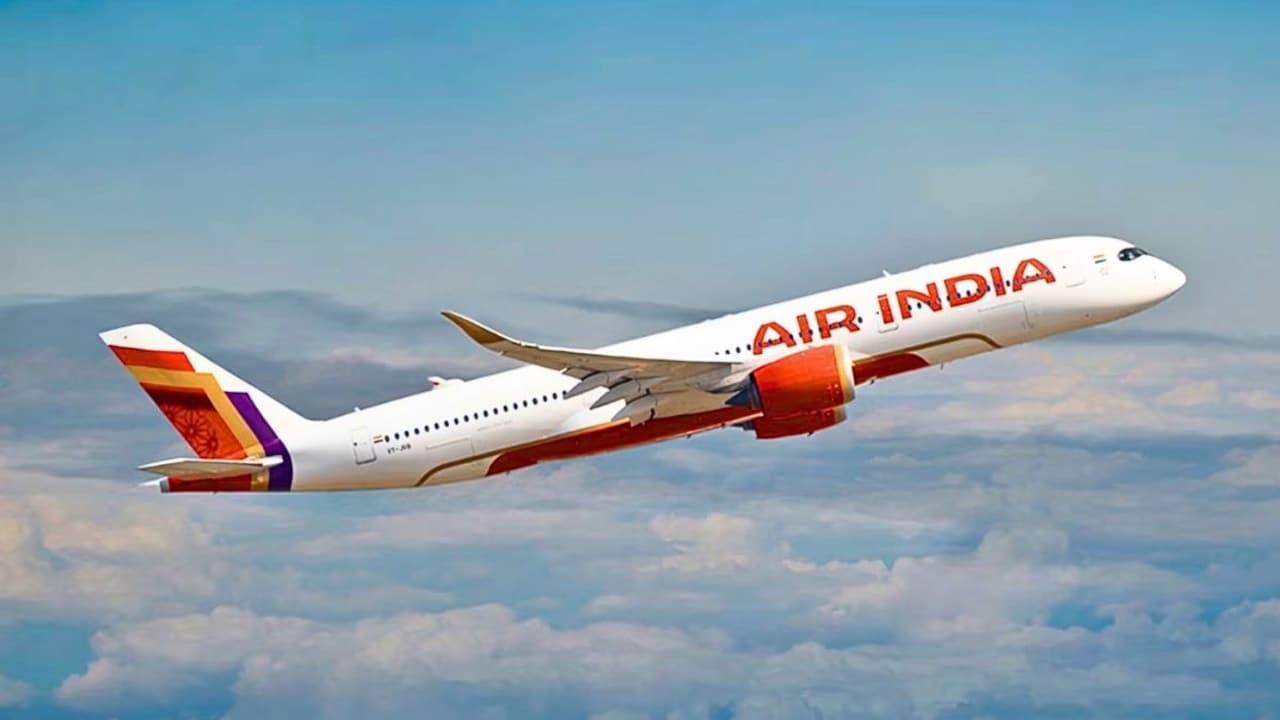
An Air India flight from Phuket to Delhi experienced severe turbulence, causing a sudden altitude drop and injuring 17 passengers and crew. The DGCA has launched an investigation into the incident, which saw the Airbus A320 land safely at Delhi's Indira Gandhi International Airport.
Air India Flight AI2379: A Mid-Air Turbulence Crisis
On Tuesday morning, an Air India flight (AI2379) traveling from Phuket to Delhi encountered a severe turbulence-related event that resulted in significant passenger and crew distress. While the Airbus A320 was in its descent phase, the aircraft experienced a sudden, sharp loss of altitude—reportedly around 300 feet—causing chaotic conditions within the cabin. With 134 passengers and 8 crew members on board, the unexpected movement left many individuals unprepared, leading to reports of people being thrown from their seats and sustaining various injuries.
The Impact and Immediate Response
The incident resulted in injuries to at least 17 individuals, including four cabin crew members. The severity of the injuries varied, with some passengers receiving minor medical attention while others required more urgent care. Following the safe landing at Indira Gandhi International Airport at approximately 11:30 am, the airline mobilized medical support, facilitating the transport of affected individuals to nearby medical facilities, including the Medanta medical centre and Fortis Hospital. The presence of medical teams on the tarmac underscores the seriousness with which Air India handled the immediate aftermath of the event.
Regulatory Oversight and Investigation
In the wake of this incident, the Directorate General of Civil Aviation (DGCA) has initiated a formal investigation to determine the exact circumstances surrounding the altitude loss. Regulatory bodies typically examine weather data, flight path logs, and cockpit voice recorders to understand if the turbulence was foreseeable or if there were procedural lapses during the descent. This investigation is critical not only for accountability but also for identifying potential safety improvements that could mitigate the risks of sudden turbulence encounters in the future.
The Nature of Turbulence and Aviation Safety
Turbulence remains one of the most unpredictable variables in commercial aviation. While meteorological services provide warnings for known weather disturbances, clear-air turbulence can strike without visual indicators. The physical impact of such events, as witnessed on this flight, highlights the vital importance of the 'fasten seatbelt' protocol. Even during descent, when cabin movement is common, sudden shifts in air pressure or wind shear can lead to rapid vertical drops, turning unsecured passengers into projectiles within the cabin.
Broader Implications for Air Travel
This incident serves as a stark reminder of the inherent risks associated with high-altitude air travel. As climate patterns shift, some aviation experts have noted a potential increase in the frequency of severe turbulence events globally, prompting airlines to invest more heavily in advanced weather-detection technology and crew training. The psychological trauma described by passengers—some of whom described the event as a 'rebirth'—also highlights the need for robust post-incident support systems for travelers.
Conclusion
While the safe landing of flight AI2379 is a testament to the crew's ability to manage the aircraft during a crisis, the injuries sustained remain a point of concern. As the DGCA investigation unfolds, the aviation industry will likely review these findings to enhance passenger safety protocols. For now, the event underscores the necessity for constant vigilance in aviation safety, reinforcing why seatbelt compliance and rigorous regulatory oversight remain the cornerstones of modern air travel.
Verification Required?