Oil prices fall on hopes Strait of Hormuz could reopen
Source Entity
BBC News
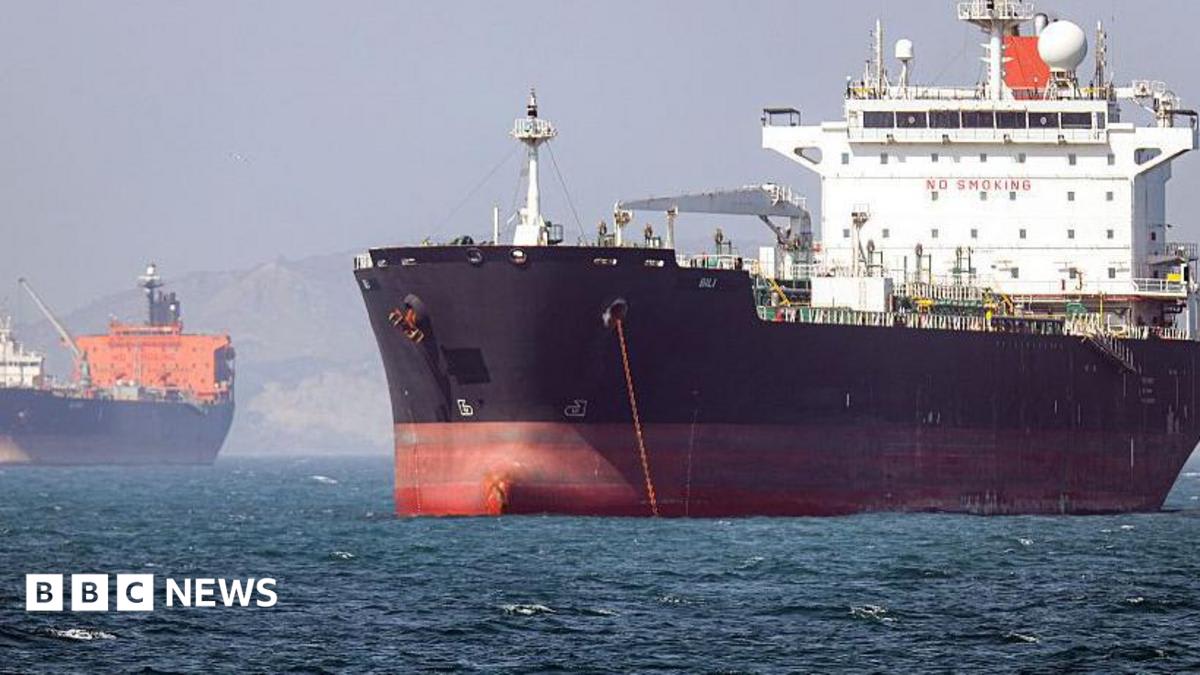
The U.S. and Iran are reportedly nearing a deal to ensure freedom of movement for commercial shipping in the Strait of Hormuz. Following the announcement, global oil prices experienced a significant decline as markets responded to the potential easing of supply chain disruptions.
Diplomatic Breakthrough in the Strait of Hormuz
Recent developments suggest a significant shift in the maritime security landscape of the Middle East, as Treasury Secretary Scott Bessent and Secretary of State Marco Rubio have indicated that the United States and Iran are nearing a diplomatic agreement. The proposed deal aims to secure 'freedom of movement' for commercial shipping through the Strait of Hormuz, a critical maritime chokepoint through which a substantial portion of the world's oil supply transits.
Market Reaction and Economic Implications
The immediate impact of these diplomatic signals has been felt in global energy markets. With the prospect of supply disruptions potentially being mitigated, the price of Brent crude fell by nearly 5% to below $80 per barrel, while U.S. West Texas Intermediate futures saw a similar decline. This market volatility underscores the global dependence on the stability of the Strait, where even the rumor of a diplomatic resolution can significantly recalibrate investor expectations and fuel prices for consumers worldwide.
Navigating Operational Realities
While high-level negotiations progress, the operational reality on the ground remains complex. U.S. Central Command has confirmed that the 'southern route' of the Strait—which traverses Omani territorial waters—remains free and open. The military has reported assisting over 1,000 vessels in transiting the region, noting that these movements continue despite what they characterize as 'unwarranted' Iranian aggression. This distinction between the northern corridor near Iran and the secure southern route is vital for understanding how global shipping has managed to persist amidst rising tensions.
Historical Context and Diplomatic Hurdles
It is essential to view these talks within the context of recent history. Previous attempts to de-escalate the conflict between Washington and Tehran have frequently faltered, contributing to a climate of deep skepticism. The 'dicey' nature of recent days, as described by Secretary Bessent, highlights that the current progress is fragile. The success of this potential deal hinges on whether both parties can transition from temporary security arrangements to a more normalized, sustainable status quo.
Future Trends and Strategic Outlook
Looking forward, the establishment of a formal agreement regarding the freedom of movement would represent a landmark de-escalation in U.S.-Iran relations. However, the volatility in the oil market suggests that traders remain cautious, wary of the possibility that these negotiations could collapse as they have in the past. If a deal is finalized, it could provide a much-needed cooling effect on global inflation and energy costs. Conversely, any failure to reach an accord would likely lead to renewed volatility, keeping the Strait of Hormuz at the center of global geopolitical anxiety for the foreseeable future.
Multiple Citing Sources