In 2001, jet ran out of fuel over Atlantic; pilot glided 306 people to safety
Source Entity
TOI WORLD DESK
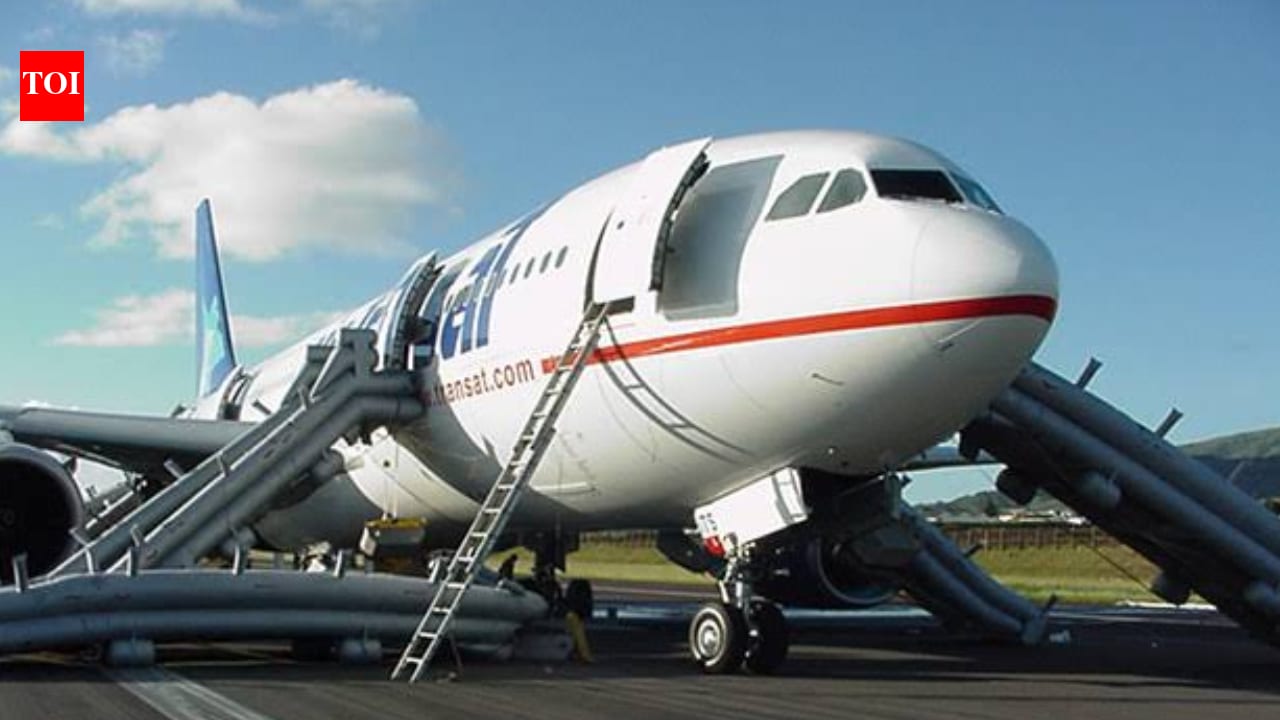
In August 2001, an Air Transat flight successfully performed a miraculous 19-minute glide to safety after losing both engines mid-Atlantic. All 306 passengers and crew survived the emergency landing in the Azores, which was caused by a critical fuel leak.
The Miraculous Glide of Air Transat Flight 236
In August 2001, a routine transatlantic flight from Canada to Portugal transformed into one of the most remarkable feats in aviation history. Air Transat Flight 236, an Airbus A330, found itself in a dire situation when both engines failed over the Atlantic Ocean, leaving the aircraft without propulsion at a high altitude. This event tested the limits of commercial aviation, forcing the flight crew to rely on aerodynamics and expert piloting to save the lives of 306 people on board.
The Anatomy of an Emergency Glide
Facing an total loss of power, Captain Robert Piché and First Officer Dirk DeJager were forced to treat the massive passenger jet like a glider. For 19 tense minutes, the crew navigated the aircraft toward the Lajes Air Base in the Azores. The success of this maneuver was not merely luck; it was a testament to the crew's technical training and their ability to maintain composure under extreme pressure while navigating over an unforgiving ocean.
The Cause: A Critical Mechanical Failure
Investigations conducted by the Portuguese aviation authorities, alongside reports from CBC News and the Aviation Safety Network, revealed that the loss of power was triggered by a fuel leak. The leak, which developed during the flight, drained the aircraft's fuel reserves, leading to the total depletion of power mid-transit. This underscores the vulnerability of modern long-haul aircraft to localized mechanical failures that can have catastrophic cascading effects on engine operation.
Survival and Safety Outcomes
Despite the severity of the incident, the emergency landing was successful. While the landing at Lajes Air Base was described as a hard landing resulting in injuries to some passengers and crew, the outcome was overwhelmingly positive. The fact that all 306 individuals survived stands as a landmark case in aviation safety, demonstrating that even in dire mechanical emergencies, well-executed emergency protocols can prevent loss of life.
Broader Implications for Aviation Safety
This incident prompted significant scrutiny regarding fuel management systems and maintenance protocols in the aviation industry. It highlighted the importance of real-time monitoring and the need for pilots to be prepared for the most improbable scenarios. The legacy of Flight 236 continues to be studied in aviation training programs worldwide, serving as a primary case study for emergency decision-making and crew resource management.
A Lasting Legacy
The story of the 'Azores Glider' remains a beacon of hope and a lesson in resilience. It serves as a reminder that the safety of flight depends on the intersection of advanced engineering and human expertise. As aviation technology evolves, the lessons learned from the 2001 Air Transat incident continue to inform modern safety standards, ensuring that flight crews are better equipped to handle the unexpected challenges of long-distance travel.