Ajit Doval’s China visit: NSA, Han Zheng discuss border peace, bilateral ties
Source Entity
AYUSH PANDEY
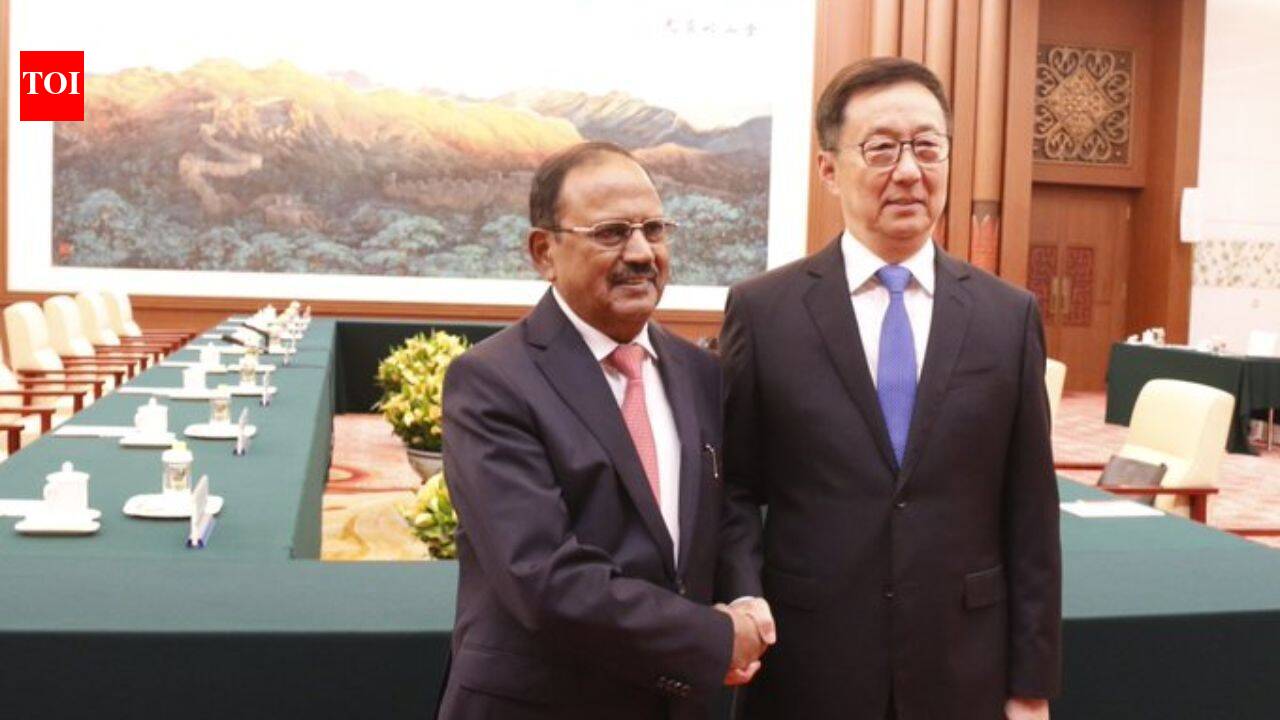
National Security Advisor Ajit Doval is in Beijing for the 25th round of Special Representative talks with Chinese Foreign Minister Wang Yi. The discussions focus on restoring border tranquility and enhancing bilateral cooperation following high-level consensus.
Diplomatic Engagement: The 25th Round of SR Talks
National Security Advisor (NSA) Ajit Doval has arrived in Beijing to spearhead the 25th round of the Special Representatives (SR) talks regarding the India-China boundary question. This high-stakes diplomatic engagement commenced with a significant meeting between Mr. Doval and Chinese Vice-President Han Zheng. The primary objective of these discussions is to address the long-standing border disputes that have strained Sino-Indian relations, with a specific focus on establishing mechanisms to ensure peace and tranquility along the contentious frontier.
Strategic Objectives and Bilateral Cooperation
The visit serves as a pivotal platform to bridge the divide between New Delhi and Beijing. According to the Indian Embassy in Beijing, the discussions between Mr. Doval and VP Han Zheng encompassed more than just security concerns; they delved into improving bilateral relations across economic, political, and multilateral forums. By aligning these talks with the consensus previously reached by the leadership of both nations, the delegates are attempting to institutionalize a path forward that de-escalates tensions while exploring areas of mutual interest.
The Role of Special Representatives
Mr. Doval, acting in his capacity as the Special Representative on the India-China Boundary Question, is scheduled to hold substantive negotiations with his counterpart, Politburo member and Chinese Foreign Minister Wang Yi. As the officially designated SRs, Doval and Wang represent the highest level of diplomatic dialogue dedicated to resolving the complex territorial disagreements. Their interaction is critical, as it provides a direct channel for high-level communication that bypasses routine bureaucratic hurdles.
Contextualizing Border Peace
The emphasis on "peace and tranquility" in the border areas is not merely rhetorical; it is a fundamental requirement for the normalization of broader ties. Historical friction along the Line of Actual Control has frequently hindered progress in other sectors, including trade and regional diplomacy. By prioritizing border stability during this 25th round, both nations are signaling a potential shift toward a more pragmatic management of their shared challenges, aiming to prevent localized disputes from derailing the overall bilateral agenda.
Future Implications and Outlook
Looking ahead, the success of these talks will be measured by the tangible outcomes achieved by Doval and Wang Yi. If the two sides can solidify a framework for border management, it could pave the way for a more stable economic partnership and increased cooperation on multilateral platforms. However, given the complexity of the boundary issue, the international community remains watchful. The outcome of these discussions will likely dictate the trajectory of India-China relations for the remainder of the year, serving as a litmus test for whether diplomatic dialogue can effectively resolve deeply entrenched geopolitical tensions.