India's GDP will rise to $38 trillion in 20 years: Ajit Doval
Source Entity
India Latest News: Top National Headlines Today & Breaking News | The Hindu
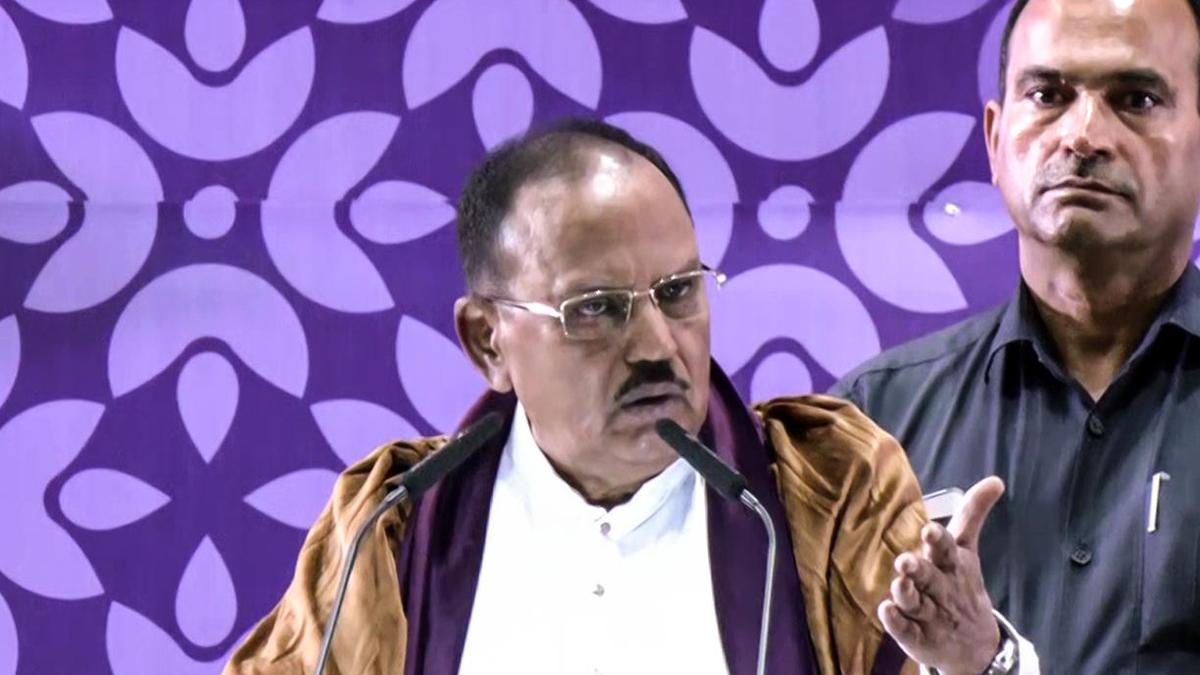
National Security Advisor Ajit Doval projects India's GDP to grow from $4.015 trillion to $38 trillion by 2046. Speaking at IIT Roorkee, he emphasized that this transformative era offers immense opportunities for Indian youth.
India's Path to a $38 Trillion Economy
National Security Advisor Ajit Doval recently projected a monumental shift in the Indian economic landscape, asserting that the nation’s GDP is poised to surge from its current valuation of $4.015 trillion to a staggering $38 trillion over the next two decades. This ambitious forecast, delivered during the convocation ceremony at the Indian Institute of Technology (IIT) Roorkee, positions India on an aggressive trajectory toward becoming a dominant global economic powerhouse by 2046.
The Significance of the 'Amrit Kaal' Vision
Mr. Doval anchored his optimism in the government's vision of 'Amrit Kaal,' the period leading up to 2047, which marks the centenary of India's independence. This strategic timeline is not merely a political milestone but a roadmap for structural reform, digital integration, and infrastructure development. By framing the current era as 'transformative,' the NSA highlights that the convergence of demographic dividends and technological advancement is creating a unique window of opportunity for the nation's youth.
The Role of Youth and Ethical Leadership
Beyond macroeconomic figures, the address underscored the necessity of character and moral fortitude in nation-building. Drawing a parallel to the mythological figure of Lord Ram, Doval utilized the narrative of sage Vishwamitra selecting Ram for his courage to inspire the graduating engineers of IIT Roorkee. This cultural integration into the discourse on national development suggests that the government views economic growth as inextricably linked to the ethical and courageous leadership of the next generation of technocrats.
Structural Drivers of Growth
To achieve a $38 trillion economy, India must sustain high growth rates through consistent policy implementation and innovation. The emphasis on students from premier institutions like IIT suggests that the government is banking on a knowledge-based economy. Future trends will likely involve heavy investments in R&D, artificial intelligence, and sustainable energy, which are essential to transition from a developing nation to a leading global economic engine.
Future Implications and Challenges
While the target is ambitious, the path to $38 trillion will require navigating complex global geopolitical shifts and internal socio-economic challenges. The NSA's speech serves as both a motivational call to action and a signal of the state's long-term strategic confidence. As India moves toward this target, the integration of traditional values with modern technological prowess will likely remain a central theme in the national narrative, guiding the policy decisions that will define the next twenty years of Indian development.
Verification Required?