Exclusive details about Akai’s MPC Sample Key
Source Entity
Terrence O’Brien
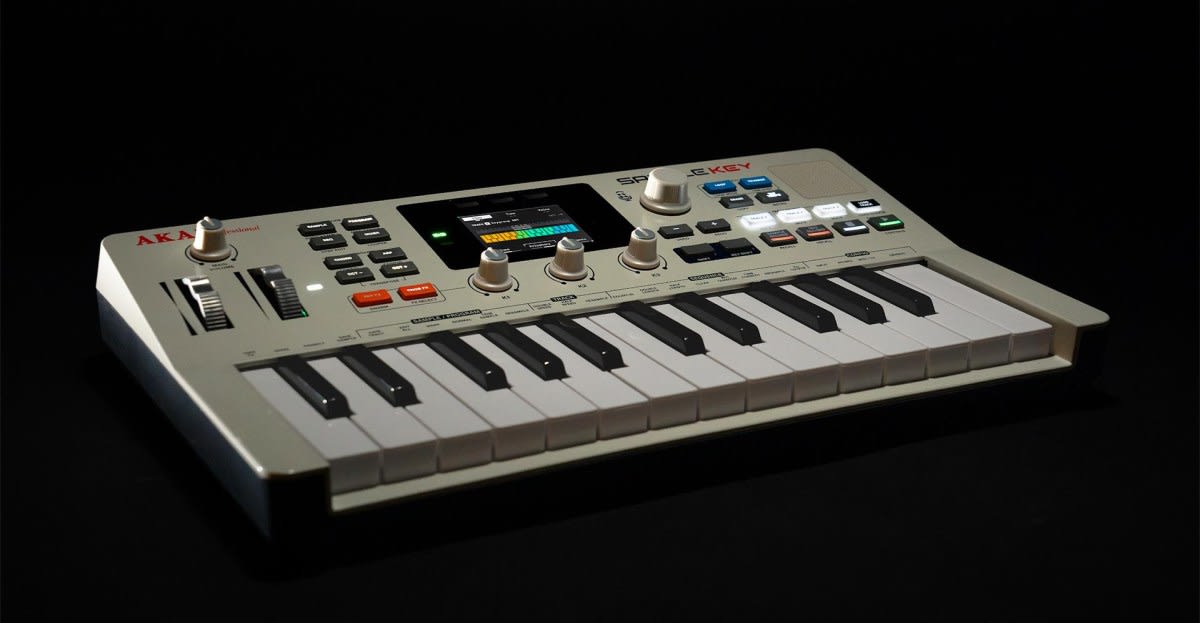
Akai has teased the upcoming MPC Sample Key, a new hardware instrument designed for pitched sample playback. Notably, the company plans to open-source the device's software to encourage community modding and development.
The Evolution of the Akai MPC Ecosystem
Akai Professional has long been a titan in the music production industry, particularly famous for its Music Production Center (MPC) series that defined the sound of hip-hop and electronic music production for decades. The recent tease of the MPC Sample Key on Instagram marks a significant shift in the company's product strategy. By focusing on a dedicated keyboard-based instrument rather than the traditional pad-centric workflow, Akai is positioning this new device to compete in the highly competitive market of standalone sampling synthesizers.
Embracing the Modding Community
Perhaps the most disruptive aspect of the upcoming MPC Sample Key is Akai’s stated intention to open-source its software. This is a rare move for a hardware manufacturer, which typically keeps its proprietary firmware locked behind closed doors to prevent unauthorized modification. By inviting the modding community to "hack it to their hearts' delight," Akai is effectively crowdsourcing innovation. This strategy could lead to a massive library of user-created features, custom interfaces, and workflow enhancements that would otherwise take years for a corporate R&D team to implement.
Design Language and Hardware Interface
Based on preliminary reports and exclusive imagery, the MPC Sample Key maintains a design lineage consistent with the existing MPC Sample hardware. The inclusion of three context-sensitive encoders and a large main encoder suggests a workflow that prioritizes tactile control over menu-diving. This interface choice is critical for live performers and studio producers who require immediate access to parameters without navigating complex software layers.
Focused Functionality: Beyond Chopping
While the MPC lineage is synonymous with "chopping" samples—the art of slicing audio into segments for rhythmic re-sequencing—the MPC Sample Key appears to pivot toward pitched sample playback. This indicates that Akai is targeting keyboardists and melodic sound designers who need to transpose samples across a musical scale. By optimizing the hardware for this specific task, Akai is likely aiming to replace traditional workstation keyboards with a more portable, sampling-centric solution.
Market Implications and Future Trends
As the industry moves toward more hybrid setups, the demand for hardware that bridges the gap between software flexibility and tactile hardware control is at an all-time high. If Akai successfully executes an open-source model, it could set a new industry standard for how hardware manufacturers engage with their user base. While pricing and launch dates remain speculative, the combination of a specialized hardware architecture and an open ecosystem suggests that the MPC Sample Key could become a centerpiece for creative experimentation in the coming years.