How Isro's NVS-03 launch will revive NavIC, boost military independence
Source Entity
SURENDRA SINGH
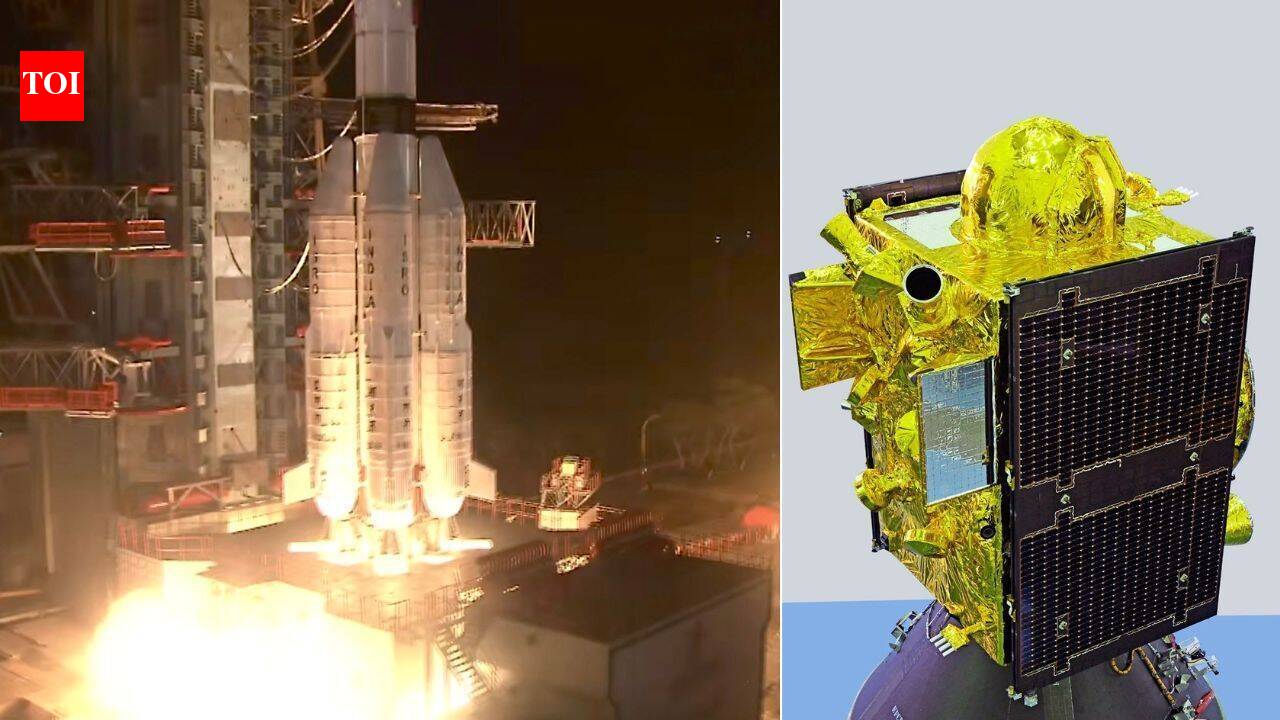
ISRO is set to launch the NVS-03 satellite to bolster India's indigenous NavIC navigation system. The mission aims to address critical atomic clock failures and reduce reliance on foreign GPS services.
The Strategic Necessity of NavIC
The upcoming launch of the NVS-03 satellite by the Indian Space Research Organisation (ISRO) represents a pivotal moment for India's technological sovereignty. Conceived in May 2006, the NavIC (Navigation with Indian Constellation) program was designed to establish an independent and indigenous satellite-based navigation system specifically tailored to the Indian landmass and its surrounding regions. This initiative is not merely a scientific endeavor but a strategic necessity, born out of the lessons learned during the 1999 Kargil War, when restricted access to foreign GPS data highlighted the dangers of relying on external navigation infrastructure for national security.
Addressing Technical Setbacks
The NavIC constellation has faced significant operational hurdles in recent years. The system's efficacy has been hampered by the repeated failure of onboard atomic clocks, which are essential for calculating precise location and time. Furthermore, the inability to place the previous NVS-02 satellite into its intended Geosynchronous Transfer Orbit created a gap in the constellation's coverage. The NVS-03 mission is therefore critical, as it serves as a corrective measure to restore full functionality to the network and ensure the continuity of navigational services.
The Role of Atomic Clocks
At the heart of NavIC’s functionality are atomic clocks, which provide the hyper-accurate timing data necessary for navigation. Beyond simple positioning, these clocks are vital for the synchronization of critical national infrastructure. Financial institutions, stock exchanges, and the armed forces require extreme temporal precision; even minor discrepancies between time sources can lead to operational disruptions. By maintaining an indigenous satellite-based time source, India is insulating its core economic and defense systems from the vulnerabilities inherent in foreign-controlled networks.
Moving Toward Temporal Independence
India’s commitment to self-reliance extends to its terrestrial timekeeping infrastructure. In June 2025, the government announced a transition away from GPS-based Indian Standard Time, opting instead for a domestic system utilizing five atomic clocks located in Guwahati, Bengaluru, Ahmedabad, Faridabad, and Bhubaneswar. This ground-based network, once fully operational, will mandate that banks and businesses synchronize with this indigenous source, effectively ending the reliance on external GPS for national timekeeping.
Future Implications and Outlook
The launch of NVS-03, utilizing ISRO’s reliable launch vehicle technology, underscores the nation's progress in space-based navigation. As the constellation is stabilized, India will be better positioned to integrate NavIC into various sectors, from commercial logistics to defense. The successful deployment of NVS-03 will serve as a testament to the resilience of the Indian space program, proving that despite previous setbacks, the commitment to building a robust, 'Swadeshi' navigation ecosystem remains a top national priority.
Multiple Citing Sources