Judge dismisses DOJ lawsuit over Alaska Senate election
Source Entity
US Top News and Analysis
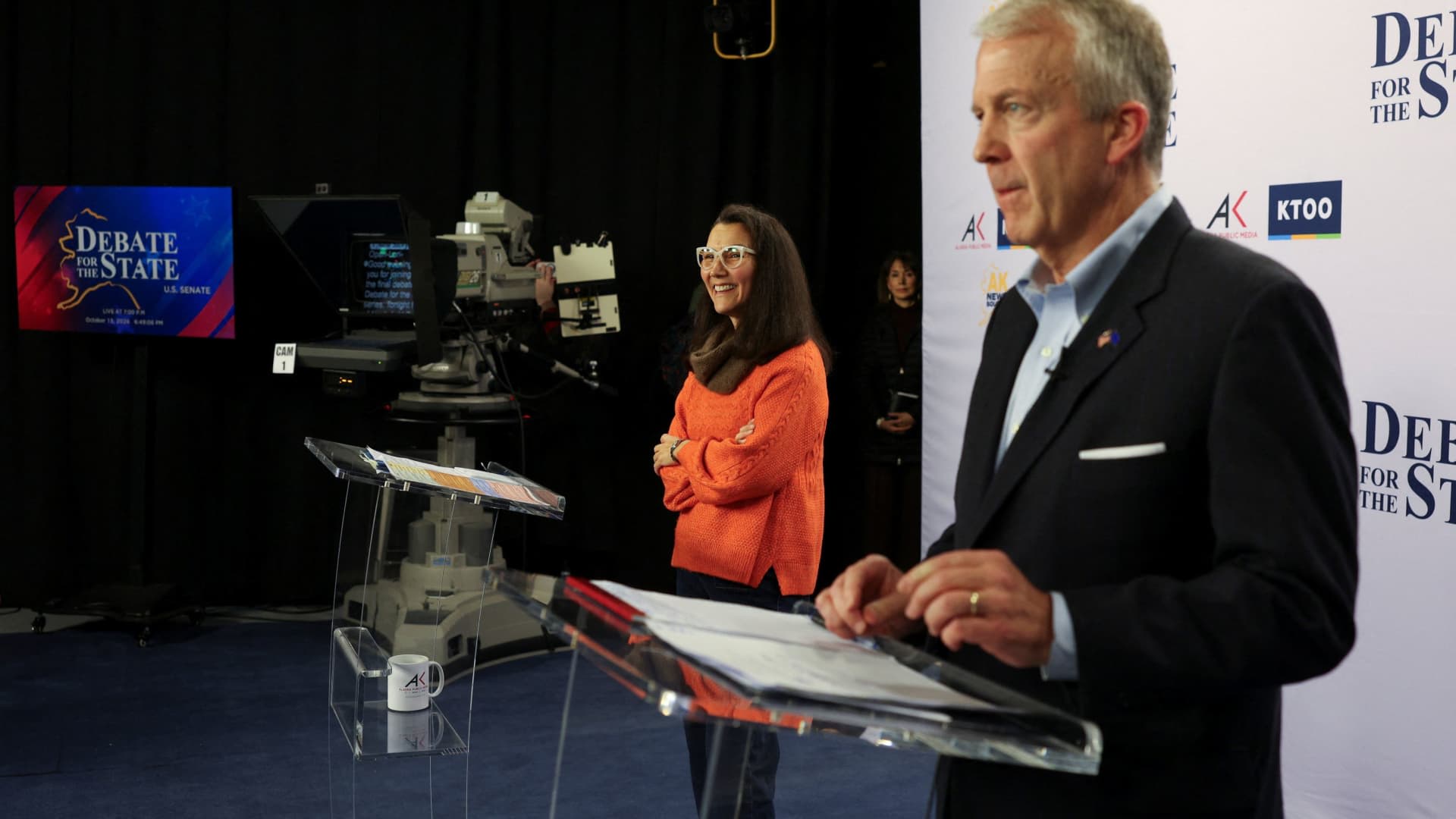
A federal judge has dismissed a DOJ lawsuit that aimed to block the certification of Alaska's Senate race over concerns regarding a spoiler candidate sharing the incumbent's name. The ruling allows the election to proceed as scheduled, rejecting efforts to intervene in the contest between Republican Senator Dan Sullivan and Democrat Mary Peltola.
The Alaska Senate Ballot Controversy: A Judicial Resolution
In the final stretch of one of the nation's most closely watched midterms, the Alaska U.S. Senate race between incumbent Republican Dan Sullivan and Democratic challenger Mary Peltola faced intense legal scrutiny. The controversy centered on the presence of a second candidate named Dan Sullivan on the ballot, a retired school teacher whom the incumbent's camp accused the Peltola campaign of recruiting as a 'spoiler' to induce voter confusion. This unusual tactical maneuver sparked a federal intervention that threatened to upend the state’s election certification process.
The DOJ's Legal Challenge
President Donald Trump’s Department of Justice (DOJ) filed a lawsuit in U.S. District Court in Anchorage, seeking to block the state of Alaska from certifying the election results should the incumbent Republican lose. The DOJ argued that the confusion caused by two candidates sharing the same name could fundamentally distort the electoral outcome by siphoning votes away from the incumbent. This unprecedented request to delay certification highlighted the high stakes of the race, which is considered a toss-up and essential for determining control of the Senate for the remainder of President Trump’s term.
Senator Sullivan’s Stance and Public Reaction
Despite the DOJ's aggressive legal maneuver, Senator Dan Sullivan took a markedly different approach during his appearance on CNN’s State of the Union. He explicitly stated his commitment to accepting the election results regardless of the outcome, distancing himself from the potential chaos suggested by the federal lawsuit. His pledge served to calm the political discourse, even as he continued to vocally criticize his opponent, Mary Peltola, for the alleged recruitment tactics regarding the second candidate.
Judicial Dismissal and Its Implications
On the Sunday preceding Election Day, U.S. District Judge Sharon Gleason dismissed the DOJ’s lawsuit. This ruling was a significant victory for the Peltola campaign, which, alongside state election officials, had petitioned for the dismissal. By rejecting the DOJ's plea, the court effectively upheld the state's autonomy in managing its ballots and election procedures, ensuring that the certification process would proceed according to established Alaska law rather than federal interference.
Assessing the Political Landscape
This legal battle underscores the volatility of modern American electoral politics, where strategic ballot placements and judicial interventions have become common components of campaign warfare. The 'spoiler' candidate tactic—while rarely successful in swaying large-scale federal outcomes—created a unique logistical and legal hurdle in Alaska. The dismissal of the case ensures that the focus remains on the candidates' platforms and the voters' will rather than technical ballot disputes.
Looking Toward the Future
The dismissal of the case marks the end of a contentious chapter in this specific Senate race, but it raises broader questions about the role of federal agencies in state-level election management. As the nation watches the final tally, the stability of the electoral process in Alaska remains intact. Moving forward, election officials may need to address potential ballot naming regulations to prevent similar controversies, ensuring that voters are not misled by naming coincidences in future cycles.