Violent clashes, slogans, tear gas and blaze: Another weekend of unrest sweeps Europe
Source Entity
Latest News: Todays Latest News Headlines from India & World | Hindustan Times | Hindustan Times
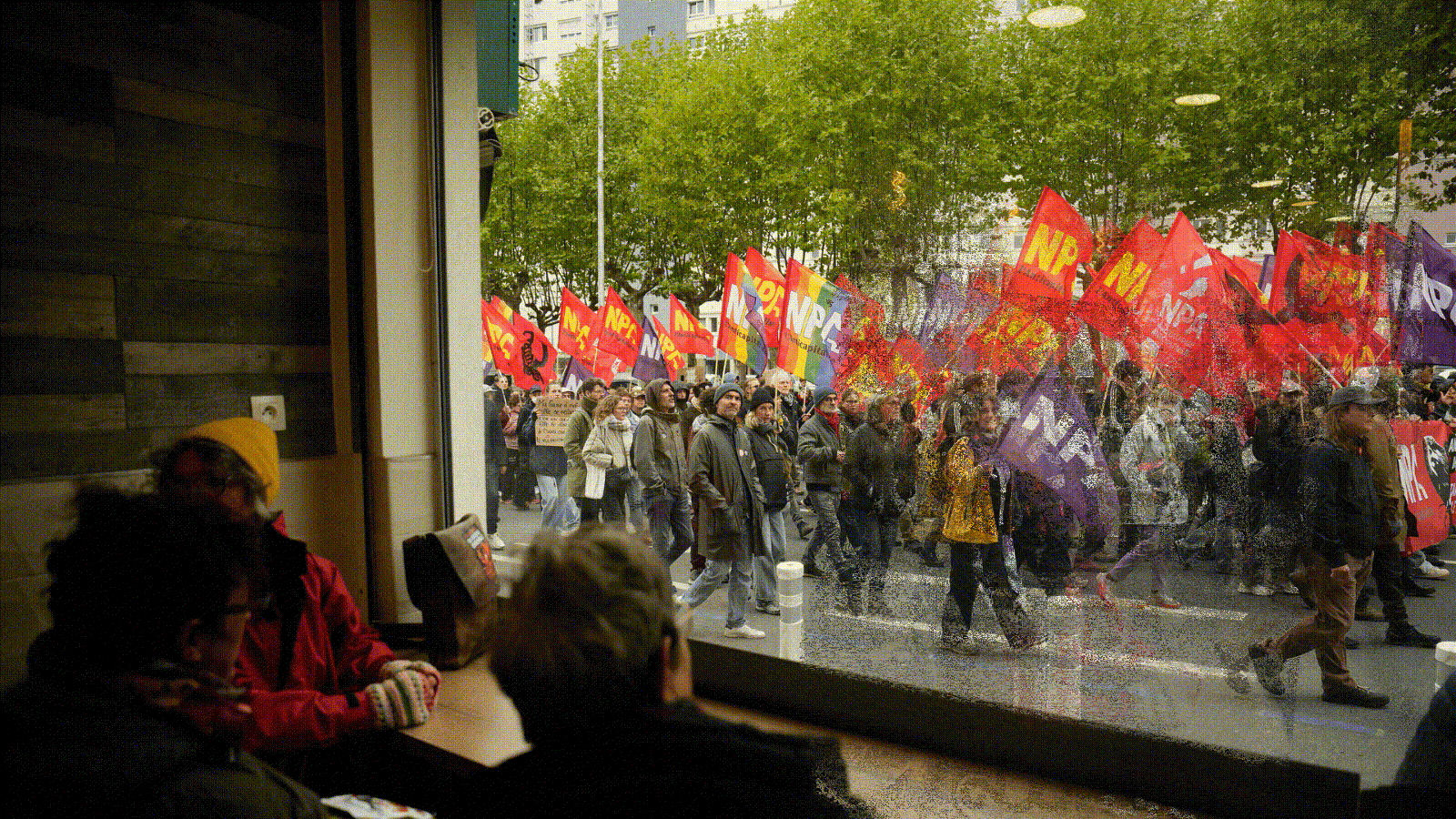
Anti-government protests in Albania and across Europe have escalated into violent clashes over rising living costs, corruption, and systemic policy failures. Riot police have deployed tear gas and water cannons to disperse demonstrators targeting government institutions and banks.
The Escalation of Civil Unrest in Tirana and Across Europe
Recent scenes in Tirana, Albania, have captured the intensity of a growing wave of civil unrest sweeping across the European continent. Protesters, particularly those from student-led movements, have taken to the streets to voice profound grievances regarding government corruption, unemployment, and the quality of education. The situation in Tirana escalated dramatically when demonstrations turned violent, with protesters launching fireworks at riot police and setting fires at government facilities, such as the entrance to the agriculture ministry.
A Continental Pattern of Grievance
The unrest in Albania is not an isolated phenomenon but rather a localized expression of a broader, pan-European wave of dissatisfaction. Over a single weekend, countries including France, Italy, Spain, and Portugal saw thousands of citizens mobilizing. These demonstrations are united by a common thread: the struggle against the rising cost of living, housing affordability crises, and concerns over public pensions. The synchronization of these protests suggests a shared sentiment among European citizens who feel that their economic stability is under threat.
The Mechanics of the Clashes
As these rallies have intensified, the response from state authorities has become increasingly militarized. In Tirana, the use of fireworks against police forces led to a heavy-handed response, with officers utilizing tear gas, water cannons, and rubber bullets. Similar patterns of state-citizen confrontation were reported in other nations, where authorities have deployed soldiers or increased security measures to maintain order. These clashes highlight a growing chasm between political leadership and the public, as demonstrators demand accountability and structural reform.
The Impact of Economic Insecurity
The core of this unrest is deeply rooted in the socioeconomic pressures facing the modern European population. The housing affordability crisis, in particular, has become a rallying cry in cities like Lisbon and across Spain. When combined with inflation and the erosion of public services like education, the population's threshold for patience has clearly been breached. The sight of petrol bombs and firework rockets in the streets serves as a visceral indicator of the public's desperation for systemic change.
Future Trends and Political Implications
Moving forward, the persistence of these protests poses a significant challenge to the stability of regional governments. If the current trajectory continues, we may see a cycle of increased security crackdowns followed by further cycles of civil disobedience. The political challenge for European leaders will be to address the structural causes of these grievances—specifically inflation, corruption, and housing—before the unrest evolves from sporadic, localized outbursts into a more permanent state of political instability. The student-led nature of the Albanian movement suggests that the next generation is particularly mobilized, potentially signaling a long-term shift in the political landscape.
Verification Required?