Did China build a top-tier AI model by itself? A new report suggests Nvidia chips played a role.
Source Entity
Britney Nguyen
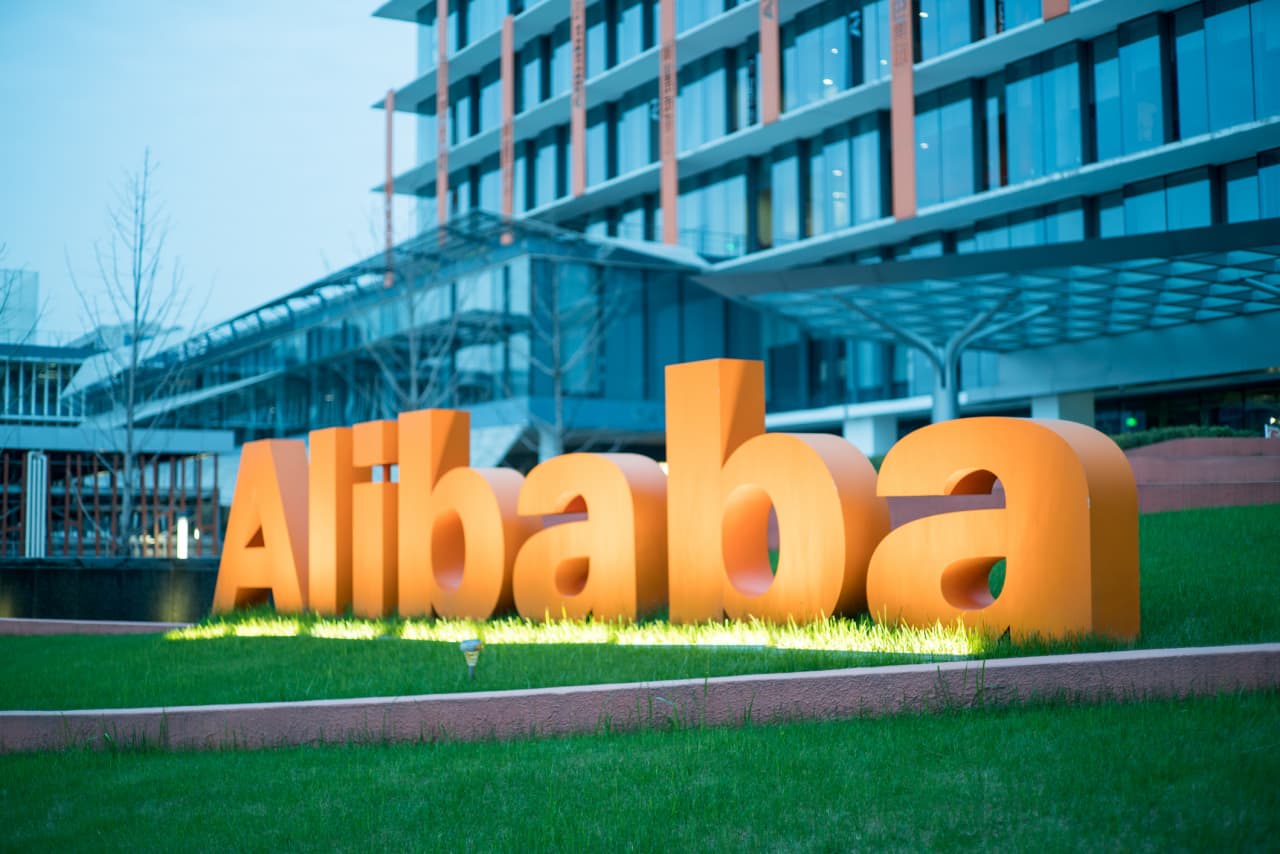
A recent Bloomberg report suggests Alibaba is supplying Nvidia H200 chips to the AI startup Moonshot. Alibaba has denied these claims, highlighting the ongoing tension surrounding AI hardware access in China.
The Hardware Bottleneck in Chinese AI Development
The recent report alleging that Alibaba is facilitating the use of Nvidia H200 chips for the Chinese AI startup Moonshot brings to light the precarious state of the high-performance computing supply chain in China. As global export controls tighten, the ability of Chinese firms to access top-tier AI hardware has become a focal point of geopolitical and technological scrutiny. The claim that an industry giant like Alibaba might be acting as a conduit for these restricted chips underscores the intense pressure Chinese companies face to remain competitive in the global large language model (LLM) race.
The Significance of the Nvidia H200
The Nvidia H200 is a critical piece of infrastructure in the modern AI landscape, offering significant improvements in memory bandwidth and capacity over its predecessors. For startups like Moonshot, which aim to develop and deploy sophisticated AI models, access to such hardware is not merely an advantage; it is often a prerequisite for training models that can compete with international counterparts. The reliance on these specific chips highlights a dependency that persists despite China’s aggressive push toward domestic semiconductor self-sufficiency.
Corporate Denials and Transparency Challenges
Alibaba’s prompt pushback against the Bloomberg report adds a layer of complexity to the narrative. In an environment where corporate actions are heavily scrutinized by both domestic regulators and international trade authorities, transparency becomes difficult to maintain. By denying the agreement, Alibaba is positioning itself in alignment with current compliance frameworks, yet the persistence of such reports suggests that the grey market for high-end chips remains a significant factor in the Chinese tech ecosystem.
Geopolitical Implications of AI Hardware Access
The tension surrounding chip access is a direct result of export restrictions imposed by the United States, intended to limit the development of advanced AI capabilities in China. These policies are designed to prevent the proliferation of technology that could enhance military or surveillance capabilities. The ongoing saga involving companies like Alibaba and Moonshot illustrates how these trade restrictions have created a fragmented market where the official supply chain is constantly tested by the demands of a rapidly growing domestic AI sector.
Future Trends in the AI Arms Race
Looking forward, the struggle to secure advanced hardware will likely dictate the winners and losers in the Chinese AI landscape. If companies cannot secure official channels for top-tier chips, they will either be forced to optimize their software to run on inferior hardware or pivot toward domestic alternatives that may still be in their infancy. This trend will likely lead to an increase in localized innovation, as companies work to build AI architectures that are less dependent on specific Western-made hardware, though the short-term impact will be a widening performance gap between Chinese models and those developed abroad.
Concluding Perspectives
In summary, the situation involving Alibaba and Moonshot is a microcosm of the broader challenges facing the global AI industry. As hardware becomes the primary currency of AI progress, the intersection of corporate strategy, state regulation, and global trade policy will remain volatile. Whether the reported agreement exists or is merely a symptom of market speculation, it serves as a reminder that the development of top-tier AI is as much a logistical and political challenge as it is a technical one.
Verification Required?