'Not integral to Islam': HC junks UP girl's plea for allowing hijab in school
Source Entity
TNN
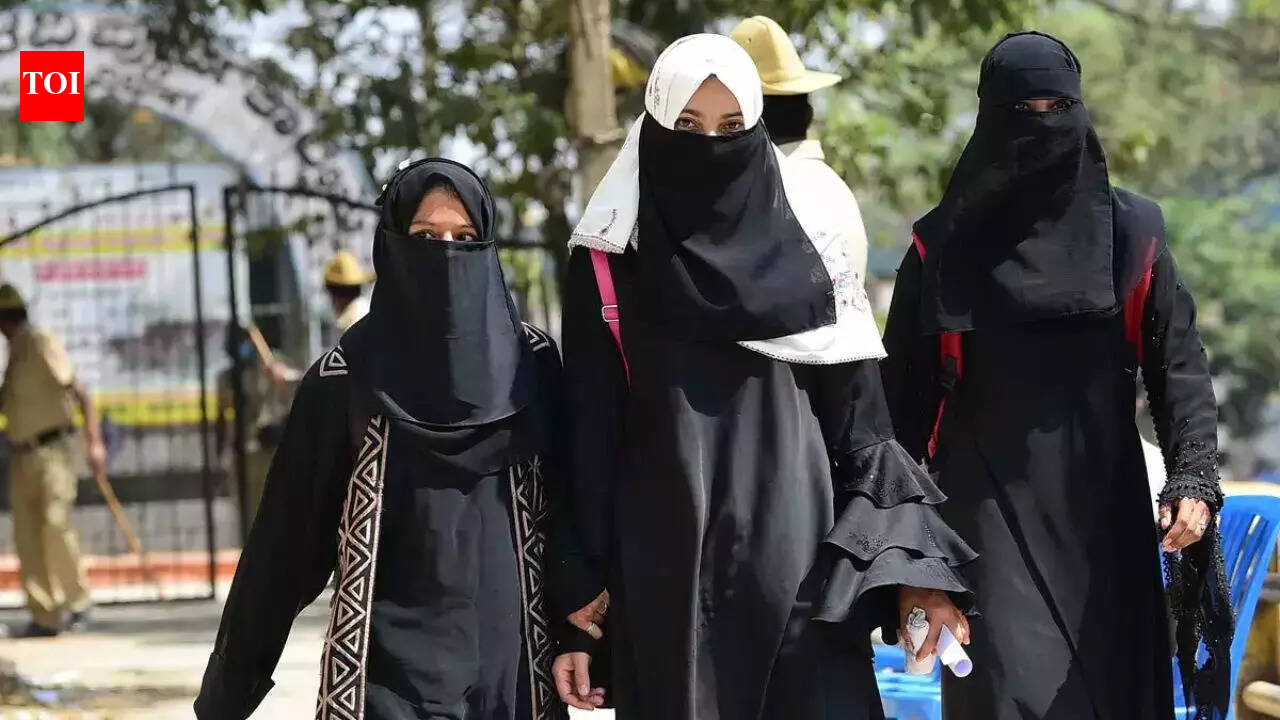
The Allahabad High Court has dismissed a student's plea to wear a hijab in school, ruling that headscarves are not an essential religious practice in Islam. The court emphasized that private institutions have the right to enforce uniform dress codes to maintain discipline and equality.
Judicial Ruling on School Uniforms and Religious Expression
The Allahabad High Court recently delivered a significant judgment regarding the intersection of individual religious expression and institutional dress codes. In a case involving a Class 11 student from Tagore Public School, Prayagraj, the court dismissed a petition seeking permission to wear a headscarf (hijab) alongside the school's prescribed uniform. The division bench, comprising Justices J.J. Munir and Indrajeet Shukla, ruled that there was insufficient evidence to classify the wearing of a headscarf as an 'essential religious practice' within the Islamic faith.
The Legal Standard of 'Essential Religious Practice'
A central pillar of the court's reasoning was the lack of factual or legal documentation provided by the petitioner to support the claim that the hijab is a mandatory requirement for a Muslim female, the absence of which would result in exclusion from the faith. By applying the 'essential religious practice' doctrine, the court evaluated whether the practice is fundamental to the core tenets of Islam. Finding no such foundation, the bench concluded that the student's request did not meet the constitutional threshold required to override institutional uniform policies.
Institutional Autonomy and Uniformity
The court’s decision underscores the importance of institutional autonomy in maintaining a structured learning environment. The bench articulated that a school uniform serves several critical functions: it instills discipline, fosters a sense of equality among students from diverse backgrounds, and projects a unified institutional identity. By enforcing a religion-neutral dress code, schools aim to minimize visible socioeconomic or religious distinctions, thereby creating an environment focused strictly on academic pursuits.
Observing Local Context and Precedent
During the proceedings, the court noted specific observational evidence: no other students at the school, including those from the same religious community, wore a headscarf. This observation played a role in the court's assessment that the petitioner's claim was not supported by the existing practices of the student body. Furthermore, the bench referenced previous High Court opinions that have consistently maintained that headscarves do not constitute an integral component of the Islamic faith, reinforcing a stable legal precedent regarding school-based religious attire.
Constitutional Implications and Future Trends
The petitioner had argued that the denial of her request infringed upon her fundamental rights under Articles 14 and 19(1)(a) of the Indian Constitution. However, the court’s decision highlights the balance between individual rights and the reasonable restrictions that institutions may place to ensure a secular and disciplined educational atmosphere. As courts continue to interpret the scope of religious expression in public and private spaces, this ruling serves as a notable reference for how educational institutions may exercise their right to enforce uniformity without violating constitutional protections.
Conclusion
In summary, the Allahabad High Court’s ruling reaffirms the authority of educational institutions to mandate uniform dress codes. By determining that the headscarf is not an essential religious practice in the context of school attendance, the court has prioritized the maintenance of institutional discipline and equality. This decision provides clear guidance for schools grappling with similar requests, emphasizing that the absence of a factual foundation for religious necessity allows for the enforcement of consistent, religion-neutral policies.