Amarnath Yatra resumes after six-day weather halt
Source Entity
India Latest News: Top National Headlines Today & Breaking News | The Hindu
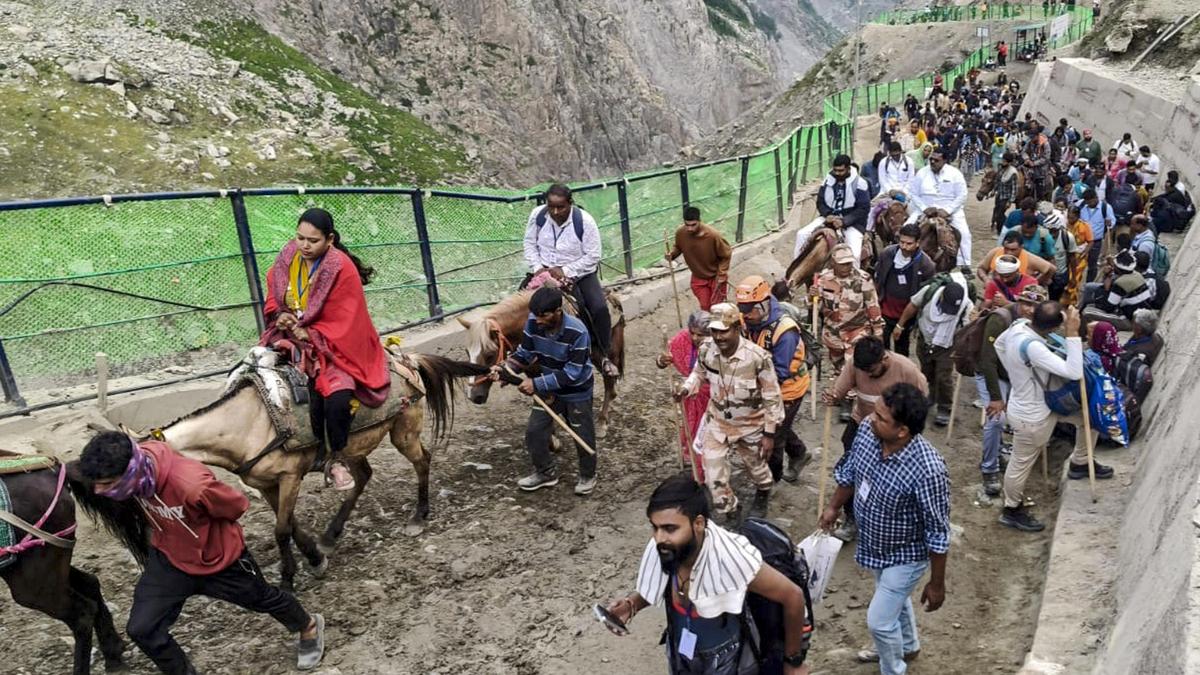
The annual Amarnath Yatra has resumed from Jammu after a six-day suspension caused by severe weather conditions. Over 6,000 pilgrims have departed for the Baltal base camp, with the pilgrimage set to continue until its scheduled conclusion on August 28.
The Resumption of the Amarnath Yatra: A Return to Pilgrimage
The annual Amarnath Yatra, a significant spiritual journey for thousands of devotees, officially resumed on July 25, 2026, following a mandatory six-day suspension. The halt, initiated on July 19, was a direct response to persistent rainfall and hazardous weather conditions that rendered the mountainous terrain of Jammu and Kashmir unsafe for transit. This precautionary measure highlights the logistical challenges inherent in managing a pilgrimage of this scale within the fragile Himalayan ecosystem.
Logistical Challenges and Safety Protocols
The resumption saw a massive mobilization effort, with over 6,000 pilgrims departing from the Bhagwati Nagar base camp in Jammu. This 18th batch of travelers, which includes 1,470 women, 25 children, and 54 Sadhus, moved in a coordinated convoy of 223 vehicles. The strict security arrangements surrounding this convoy underscore the dual-layered challenge faced by authorities: protecting pilgrims from both natural environmental hazards and potential security threats in the region.
The Twin Routes: Pahalgam and Baltal
Access to the 3,880-metre-high holy cave shrine relies on two primary paths: the traditional 48-km Pahalgam route in the Anantnag district and the shorter, steeper 14-km Baltal route in the Ganderbal district. Officials confirmed that while the yatra has resumed, no convoy was dispatched for the Pahalgam route on this day, indicating a phased approach to reopening access. This decision reflects a cautious strategy to prioritize safety on the more demanding traditional trail, which is often more susceptible to landslides and blockages during heavy monsoon spells.
Climate Vulnerability and Infrastructure
The six-day suspension serves as a stark reminder of the environmental volatility of the Kashmir Valley during the monsoon season. The annual pilgrimage requires meticulous coordination between meteorological departments, local administration, and security forces. As climate patterns become increasingly unpredictable, the ability of state agencies to rapidly pause and restart such large-scale movements is critical to preventing tragedies and ensuring the welfare of the thousands of devotees who undertake this arduous trek.
Looking Ahead: The Final Stretch
With the yatra now back in motion, the focus shifts to the final phase of the pilgrimage, which is scheduled to conclude on August 28. The coming weeks will be crucial as officials work to manage the backlog of pilgrims created by the week-long hiatus. Success in completing the remaining duration of the yatra will depend heavily on sustained weather stability and the continued effectiveness of the security and logistical frameworks currently in place at the base camps.
Verification Required?