Amazon turns its most capable smart speaker into a smart camera, too
Source Entity
Scharon Harding
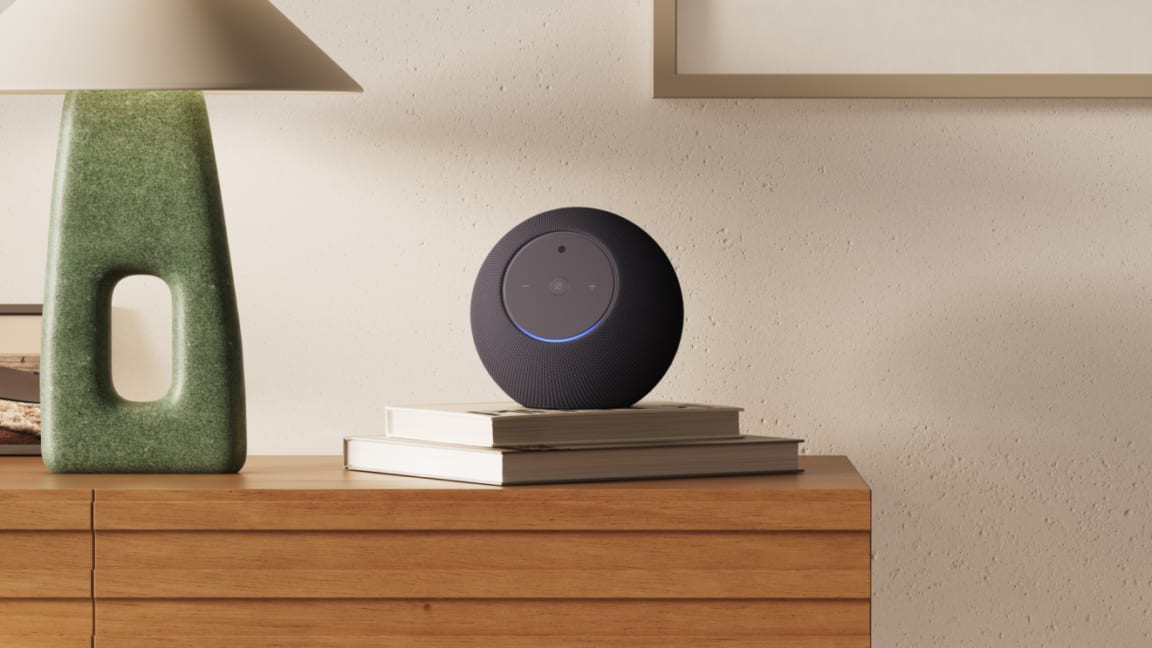
Amazon has unveiled a series of smart home hardware updates, headlined by an Echo Studio with a built-in camera and a revamped 3D Alexa Home Map. These releases focus on enhanced room monitoring, improved audio adaptation, and a more intuitive, interactive interface for managing connected devices.
Amazon Unveils Next-Generation Smart Home Ecosystem
Amazon has officially expanded its hardware portfolio with a suite of new announcements, marking a significant shift in how users interact with their smart home environments. The centerpiece of these updates is the introduction of a camera-equipped Echo Studio, a move that transforms a premium audio device into a multi-functional security and communication hub. By integrating a camera into the Echo Studio, Amazon enables users to monitor rooms remotely, utilize visual cues for Alexa, and prepare for future integration with Fire TV video calling.
Audio Innovation and Spatial Awareness
Beyond the hardware addition of a camera, the new Echo Studio features "Advanced Room Adaptation." This technology signals a shift toward more intelligent audio processing, where the speaker continuously tunes its sound output based on the physical characteristics of the room. This ensures that high-fidelity audio remains consistent regardless of furniture placement or room size, demonstrating Amazon’s commitment to refining the core listening experience of its premium speaker line.
The Evolution of the Smart Home Interface
Complementing the hardware updates is a major overhaul of the Alexa Home Map. Moving away from the 2D interface introduced in 2023, the new version utilizes a 3D interactive view. This redesign provides a more immersive experience, allowing users to visualize not only the interior of their property but also the exterior. By integrating compatible Ring cameras, the interface can display a 360-degree view that animates the movement of people and vehicles nearby, significantly enhancing the utility of the Alexa app as a central command center.
Expanding the Echo Show Lineup
Amazon also refreshed its visual-first hardware with the Echo Show 16. This device features a 16-inch display housed in an anodized aluminum frame, designed to be 40 percent thinner than its predecessor. The inclusion of a Nanomatte display option reflects an industry-wide trend toward reducing glare in smart displays, ensuring that the device remains functional and aesthetically pleasing in various lighting conditions.
Strategic Implications for Smart Home Integration
These announcements indicate a clear strategic push by Amazon to unify its fragmented device ecosystem. By making the Home Map more "dynamic" and visually intuitive—resembling competitors like Samsung’s SmartThings Map View—Amazon is lowering the barrier to entry for managing complex networks of lights, locks, thermostats, and cameras. The seamless integration of these devices into a single, 3D-rendered space suggests that Amazon views the smart home as a holistic ecosystem rather than a collection of disparate gadgets.
Future Trends and Conclusion
As Amazon continues to iterate on its hardware, the trend toward "ambient computing" becomes increasingly apparent. The combination of cameras in audio devices and 3D mapping suggests a future where the smart home is not just controlled by voice, but is actively "aware" of its surroundings. As these technologies mature, users can expect deeper automation capabilities, where the home anticipates needs based on visual and environmental data, further cementing Amazon’s role as a leader in the consumer smart home market.
Multiple Citing Sources