Advanced Micro Devices (AMD) Surged on an Agentic AI-Driven Server CPU Renaissance
Source Entity
Yahoo Finance
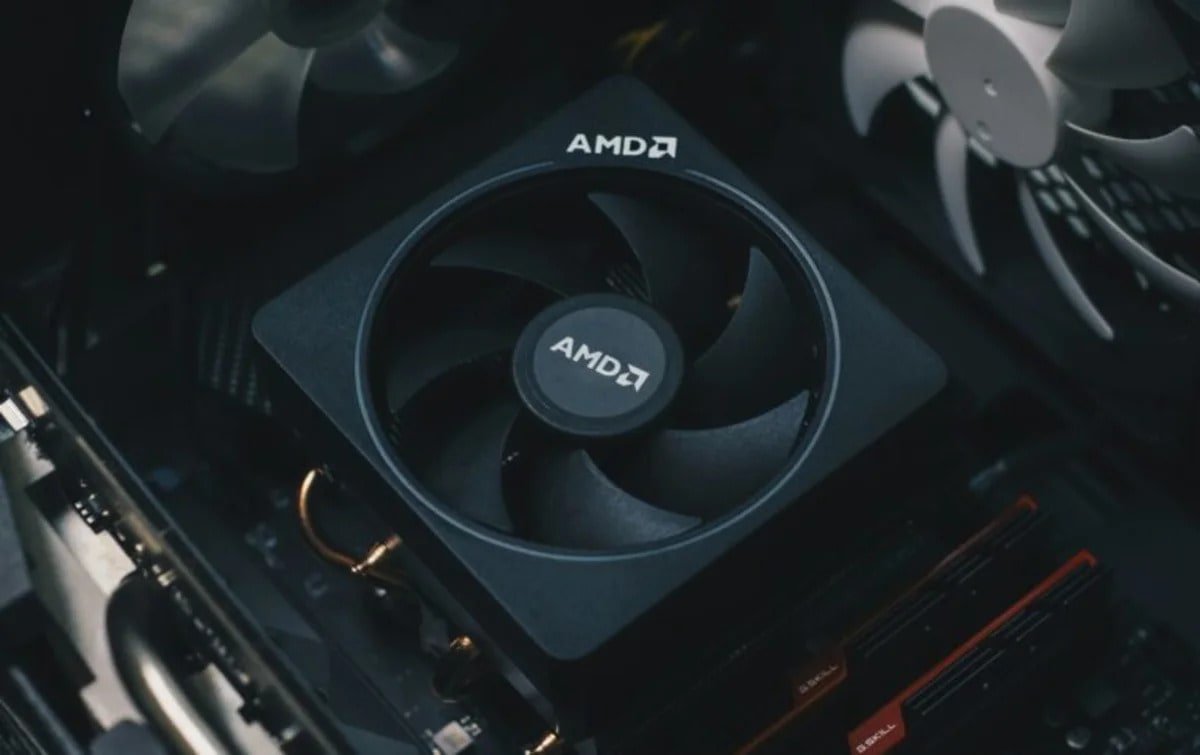
The Columbia Seligman Global Technology Fund outperformed benchmarks in Q2 2026, driven by a surge in AI infrastructure spending. Strategic investments in semiconductor leaders like AMD, Applied Materials, and Lam Research fueled these significant gains.
The AI Infrastructure Supercycle: Q2 2026 Market Analysis
The second quarter of 2026 marked a period of extraordinary performance for the Columbia Seligman Global Technology Fund, which recorded a robust return of 50.34%. This performance notably outpaced the MSCI World Information Technology Index, which posted a 33.65% gain over the same period. The fund’s success underscores a broader market trend where institutional capital is aggressively rotating into the foundational pillars of the artificial intelligence revolution.
Semiconductors as the Engine of Growth
At the heart of these returns was a precise focus on semiconductor and hardware manufacturers. The fund’s strategy relied heavily on the surging demand for AI-driven infrastructure. Companies like Advanced Micro Devices (AMD), Applied Materials (AMAT), and Lam Research (LRCX) emerged as critical beneficiaries. As the industry shifts toward agentic AI architectures and advanced server capabilities, the requirement for high-performance computing power has created a sustained tailwind for these key industry players.
The Role of Wafer Fabrication and Memory
Investment in Applied Materials and Lam Research highlights the importance of the manufacturing supply chain. As data centers scale to accommodate increasingly complex AI models, the demand for sophisticated wafer fabrication equipment and advanced memory solutions has reached unprecedented levels. The fund's ability to capitalize on these specific segments demonstrates a deep understanding of the capital-intensive nature of modern AI expansion, where hardware bottlenecks are the primary constraint on growth.
Macroeconomic Tailwinds and Geopolitical Stability
The report also highlights that the rally in technology stocks was supported by a cooling of geopolitical tensions, specifically citing the easing of concerns surrounding the conflict in Iran. When macroeconomic uncertainty subsides, capital typically flows toward high-growth sectors with clear long-term utility. The convergence of diminished geopolitical risk and the relentless momentum of AI infrastructure spending created a "perfect storm" for technology sector outperformance in the second quarter of 2026.
Portfolio Diversification and Performance Attribution
While the technology sector served as the primary engine for the fund, the report notes that performance was further bolstered by an off-benchmark allocation to electrical equipment. This strategic move likely addressed the power-hungry nature of modern AI data centers, which require significant infrastructure upgrades beyond just chips and software. Conversely, the fund saw detraction from its exposures to financials, consumer discretionary, and healthcare, illustrating the high opportunity cost of holding non-tech assets during this concentrated period of AI-led growth.
Future Outlook and Conclusion
Looking forward, the fund’s focus remains firmly set on the sustained build-out of AI-related infrastructure. The continued demand for networking, servers, and power solutions suggests that the semiconductor renaissance is far from over. By maintaining exposure to the companies that build the physical architecture of the future, the Columbia Seligman Global Technology Fund is positioned to continue navigating the complexities of a market increasingly defined by the transition toward advanced, agentic AI systems.
Multiple Citing Sources