American Airlines CEO lays out his vision to close a more than $3 billion profit gap
Source Entity
US Top News and Analysis
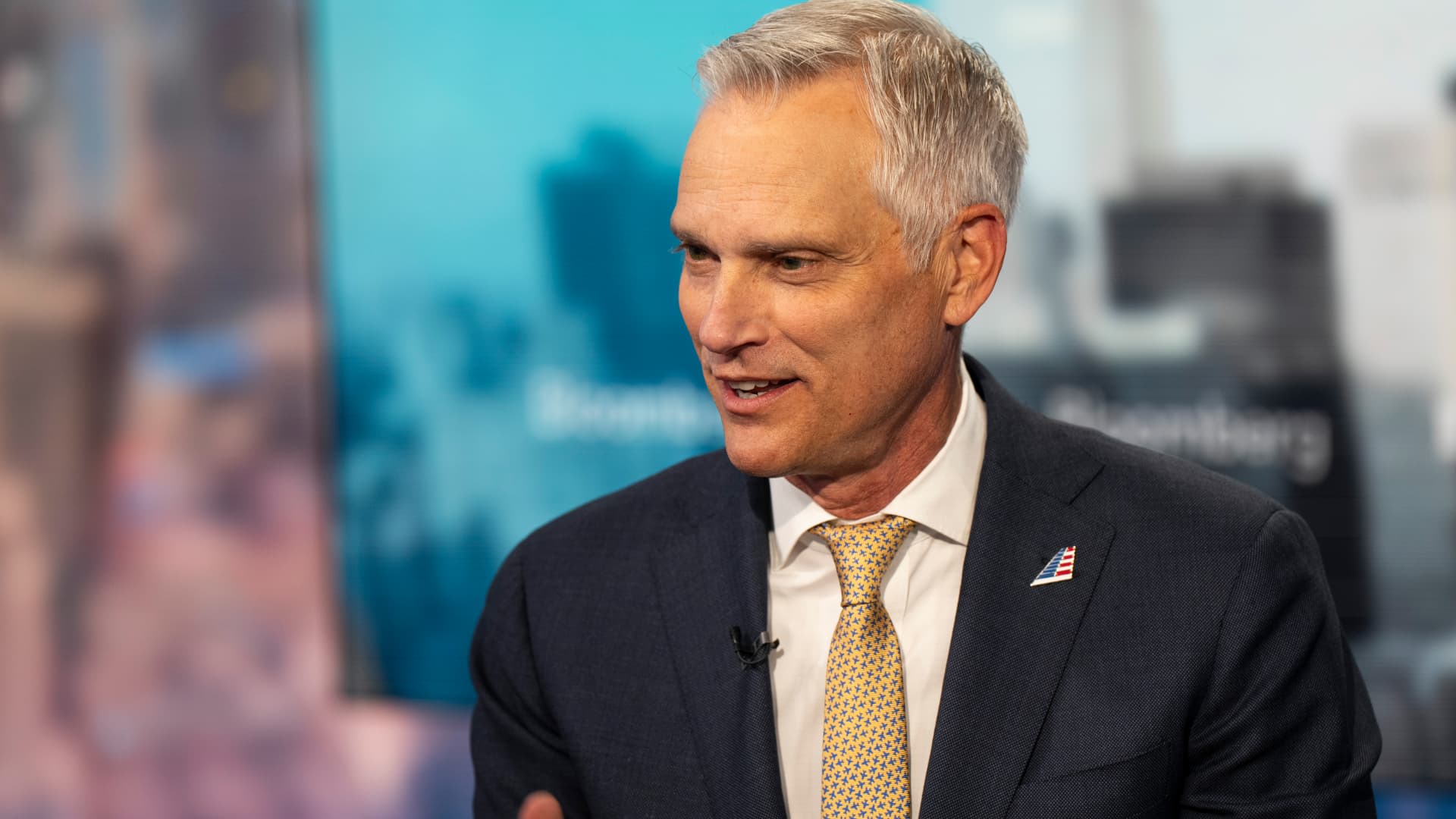
American Airlines CEO Robert Isom is implementing a strategic plan to close a multi-billion dollar profit gap relative to Delta and United. The strategy focuses on enhancing reliability, expanding premium offerings, and updating the wide-body fleet.
Addressing the Profit Paradox at American Airlines
American Airlines finds itself in a perplexing financial position: it is operating at a massive scale, yet failing to translate that volume into the same profit margins as its primary domestic rivals. According to recent data, the carrier operates approximately 6,500 flights per day—a volume that exceeds its closest competitors by a margin nearly equivalent to the entire operational scale of Alaska Airlines. Despite this dominance in flight frequency, CEO Robert Isom is facing a significant "math problem," as the airline's profit gap has widened. Last year, United Airlines outperformed American by approximately $3 billion in profit, while industry leader Delta Air Lines saw a surplus of nearly $5 billion over American.
The Shift Toward Premiumization
To bridge this multi-billion dollar divide, Isom is pivoting the company's focus toward high-margin revenue streams. A core pillar of this strategy involves investing heavily in premium seats and upgraded lounges. In the current aviation landscape, the "premiumization" of travel is a critical trend; high-net-worth travelers and corporate clients are willing to pay a significant premium for comfort and exclusivity. By enhancing the premium experience, American Airlines aims to shift its revenue mix away from low-margin economy seats and toward the lucrative top-tier segments where Delta and United have historically held a competitive edge.
Operational Reliability as a Financial Lever
Beyond luxury upgrades, the carrier is prioritizing a return to operational reliability. In the airline industry, reliability is not just a customer service metric but a direct financial driver. Flight cancellations, delays, and scheduling instabilities lead to massive operational costs, including passenger re-accommodation, crew overtime, and regulatory fines. By focusing on reliability, American Airlines intends to reduce these "leakages" in their profit center. Improving the consistency of its 6,500 daily flights will allow the airline to optimize crew utilization and fuel efficiency, potentially turning its high volume from a logistical burden into a scalable financial advantage.
Strategic Fleet Modernization
Another critical component of Isom's vision is the modernization of the aircraft fleet, specifically regarding wide-body planes. American is currently evaluating orders from both Boeing and Airbus to refresh its long-haul capabilities. Wide-body aircraft are the workhorses of international travel, which typically offers higher yields than domestic short-haul routes. By securing the most efficient and modern wide-body aircraft available, American can lower its cost-per-seat-mile and reduce fuel consumption, which is one of the largest overhead expenses for any global carrier. This strategic procurement process is essential for competing on the most profitable global corridors.
Competitive Implications and Market Positioning
The disparity in profits between American, United, and Delta suggests that American has struggled with yield management—the ability to maximize revenue from each seat sold. While American has the volume, its competitors have been more successful at extracting value from their passengers. The move toward premium lounges and better reliability is a direct attempt to change the brand perception and pricing power of the airline. If Isom can successfully align the airline's operational capacity with a higher-value service model, American can begin to erode the $3 billion to $5 billion lead held by its rivals.
Conclusion: The Path to Parity
In summary, American Airlines is attempting a complex transition from a volume-heavy operator to a value-driven powerhouse. By simultaneously addressing the physical infrastructure (wide-body planes), the customer experience (premium seats and lounges), and the operational foundation (reliability), Robert Isom is targeting the root causes of the profit gap. The success of this vision will depend on the airline's ability to execute these upgrades without disrupting its massive daily flight schedule. If successful, American Airlines will not only close the profit gap but will leverage its superior scale to potentially lead the U.S. aviation market in total earnings.