Amit Shah calls for 10-year PRAHAAR on terror
Source Entity
The Indian Express
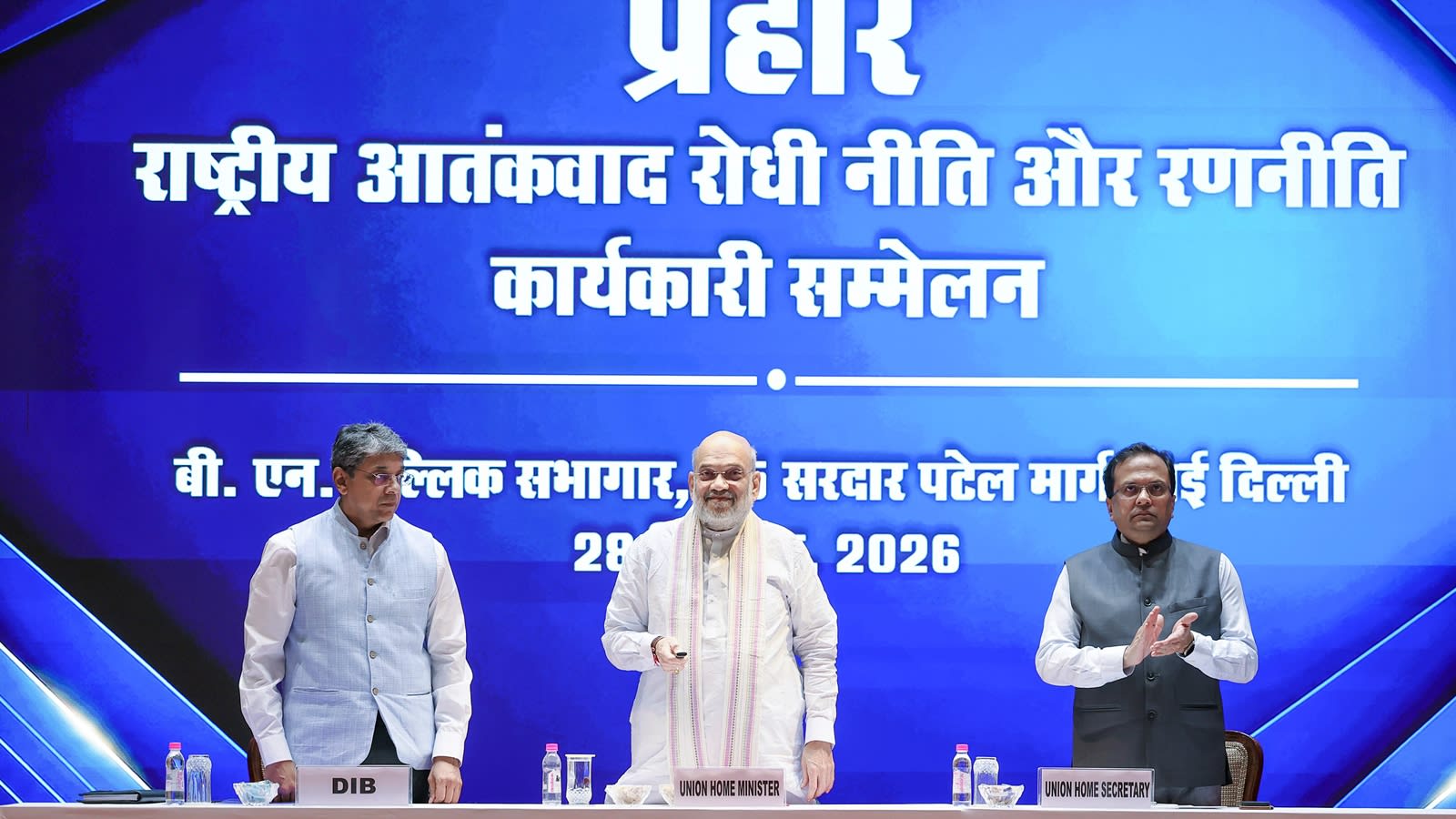
Union Home Minister Amit Shah has unveiled the 'PRAHAAR' counter-terrorism strategy while announcing the successful dismantling of the Shahzad Bhatti terrorist network. The initiative aims to institutionalize India's security response through a multi-pillar framework and enhanced international coordination.
Strengthening India’s Counter-Terrorism Architecture
Union Home Minister Amit Shah’s recent inauguration of the ‘PRAHAAR - CT Policy and Strategy’ conference in New Delhi marks a significant shift toward a more institutionalized and comprehensive national security posture. By introducing the seven-pillar PRAHAAR framework—encompassing Prevention, Response, Aggregating Internal Capacities, Human Rights, Attenuating Conditions for Terrorism, Aligning International Efforts, and Recovery and Resilience—the government is signaling a move toward a 'whole-of-society' approach to counter-terrorism. This strategy is designed to move beyond reactive measures, aiming instead to address the structural and sociological roots of extremism while maintaining a zero-tolerance policy.
Dismantling the Shahzad Bhatti Network
The practical application of this hardened stance was highlighted by the announcement of a massive crackdown on the Shahzad Bhatti network. With over 40 modules neutralized and 350 individuals arrested across 15 states, the operation underscores the expansive and decentralized nature of modern terror threats. By declaring the network a terrorist organization under the Unlawful Activities (Prevention) Act (UAPA), the government has streamlined its legal ability to prosecute those involved in the cross-border smuggling of narcotics, explosives, and weaponry.
The Role of Digital Influence in Modern Terrorism
The identification of Shahzad Bhatti—a Pakistani social media influencer—as the orchestrator of this network reveals the evolving nature of radicalization and logistics. The use of digital platforms to facilitate cross-border criminal activities poses a unique challenge to domestic security, as it blurs the line between online influence and physical terror infrastructure. This highlights why the 'Attenuating Conditions for Terrorism' pillar of the PRAHAAR strategy is critical; it necessitates a robust digital forensic capability to track how virtual propaganda translates into physical weapon smuggling.
Technological Integration and Global Cooperation
To complement the legislative and operational successes, the launch of the new Extradition Portal is a tactical necessity. As terror networks become increasingly transnational, the ability to coordinate with international law enforcement agencies is paramount. This portal serves as a force multiplier, designed to expedite the return of fugitives and ensure that those who operate from abroad are brought to justice within the Indian legal system. By centralizing this data, the Home Ministry is closing the gaps that previously allowed suspects to exploit jurisdictional complexities.
Future Trends and Strategic Implications
The long-term success of the PRAHAAR strategy will likely depend on the synergy between central intelligence agencies and state police forces. Given that the Bhatti network was active across 15 states, the 'Aggregating Internal Capacities' pillar is essential for maintaining a unified security front. As the government transitions into this 10-year strategic cycle, the integration of real-time intelligence sharing and consistent legal pressure will define India's ability to maintain internal stability against increasingly sophisticated, tech-savvy terror syndicates.
Conclusion
In summary, the dual announcement of the PRAHAAR framework and the successful disruption of the Bhatti network reflects a proactive and multifaceted response to contemporary security threats. By focusing on both the institutional infrastructure of national security and the operational dismantling of active terror modules, the Indian government is positioning itself to address both the symptoms and the root causes of terrorism in the coming decade.