Modi government brought back 288 fugitives from 36 countries since 2019: HM Amit Shah
Source Entity
TNN
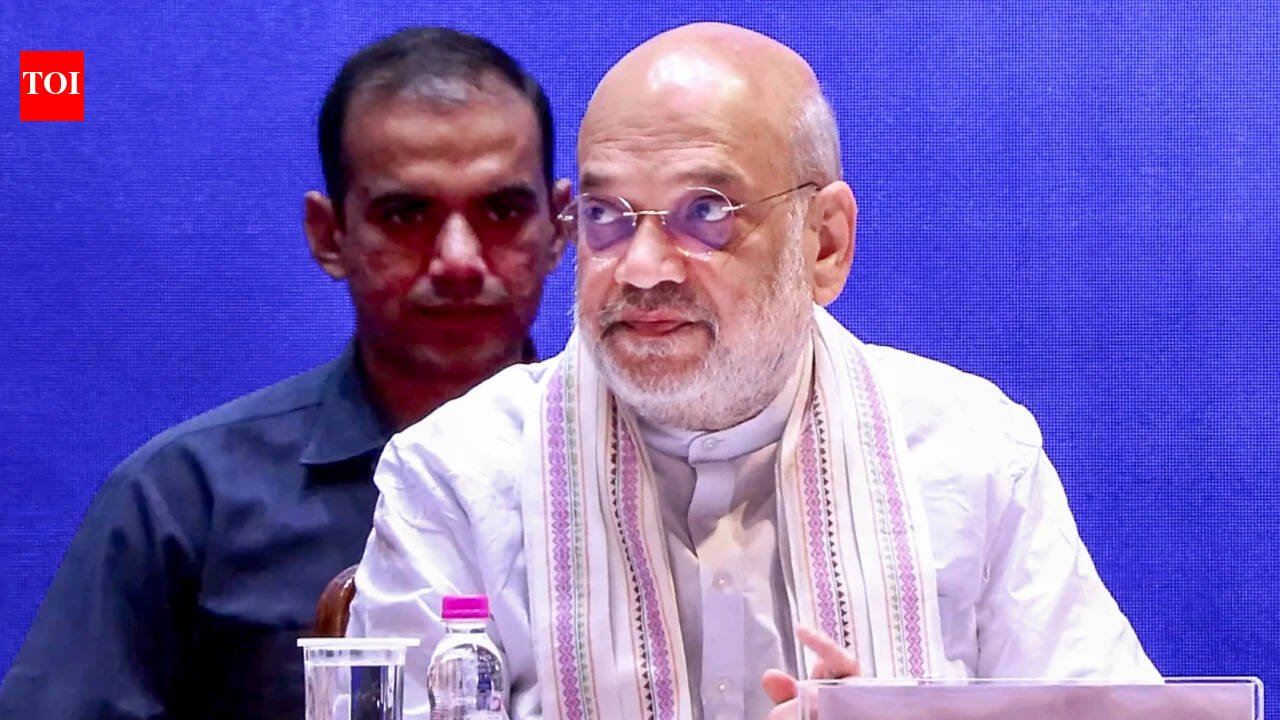
Union Home Minister Amit Shah announced that the Indian government has successfully extradited or deported 288 fugitives from 36 countries since 2019. This initiative highlights a strengthened international cooperation strategy to combat economic and criminal offenses.
Strengthening India's Extradition Framework
Union Home Minister Amit Shah recently disclosed a significant milestone in India's internal security and judicial enforcement efforts, confirming that 288 fugitives have been brought back to the country from 36 different nations since 2019. This achievement represents a robust shift in India's diplomatic and legal approach toward tackling fugitives who attempt to evade the Indian justice system by fleeing across international borders.
Diplomatic Synergy and International Cooperation
The success in securing the return of these individuals underscores a deepening of bilateral cooperation between India and its international partners. By leveraging extradition treaties and mutual legal assistance agreements, the Ministry of Home Affairs has effectively navigated the complex legal landscapes of 36 different countries. This coordinated effort indicates that India’s diplomatic outreach is increasingly focused on ensuring that geographic distance no longer serves as a viable shield for those accused of serious criminal or economic offenses.
Addressing Economic Crimes and Accountability
A primary focus of these efforts has been the pursuit of economic offenders who have fled the country. By prioritizing the return of these individuals, the government aims to restore institutional integrity and signal a commitment to financial accountability. The ability to process 288 such cases over the last five years demonstrates an improved institutional capacity to track, document, and negotiate the return of high-profile fugitives, which is critical for maintaining public trust in the judicial process.
The Impact of Modernized Legal Protocols
The scaling of these operations suggests that India has modernized its approach to international law enforcement. The seamless coordination between the Ministry of Home Affairs, the Ministry of External Affairs, and various investigative agencies has created a streamlined workflow for extradition requests. This shift from reactive to proactive engagement with foreign governments has likely been instrumental in accelerating the return of fugitives who previously might have remained at large for decades.
Future Trends in Transnational Justice
Looking forward, this trend is likely to continue as India further integrates its legal systems with global standards for information sharing. As digital surveillance and international police cooperation through organizations like Interpol become more sophisticated, the window for fugitives to remain hidden is narrowing. The government’s recent success provides a blueprint for future operations, suggesting that India will continue to utilize its growing geopolitical influence to ensure that suspects face trial within the domestic court system.