Identify, eliminate threats before they grow big: Amit Shah urges security agencies
Source Entity
India Latest News: Top National Headlines Today & Breaking News | The Hindu
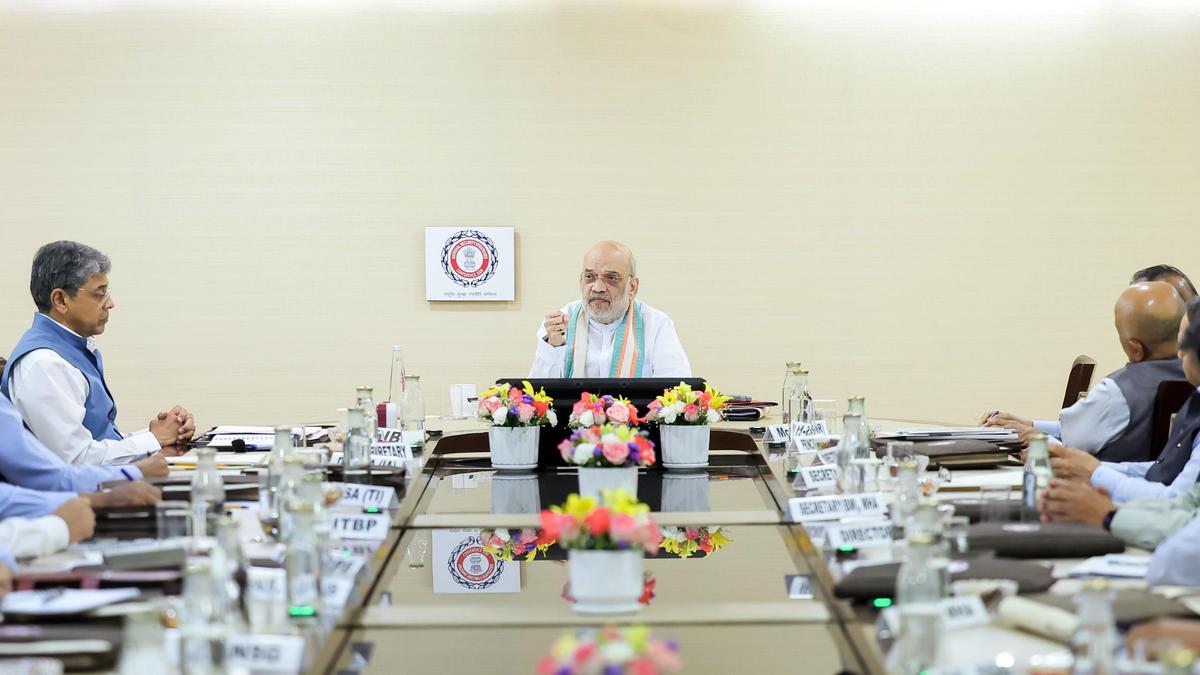
Union Home Minister Amit Shah has called for a proactive security strategy to combat emerging global threats and internal challenges. He emphasized the necessity of border security and curbing illegal immigration to ensure India's path toward a developed nation by 2047.
Strengthening India’s National Security Framework
Union Home Minister Amit Shah’s recent address underscores a pivotal shift in India’s internal security doctrine. By urging security agencies to identify and neutralize threats before they escalate into systemic crises, the government is signaling a move from reactive policing to proactive intelligence management. This strategy is framed against a backdrop of complex global challenges, including persistent geopolitical instability and the vulnerability of international supply chains.
Addressing Modern Global Threats
The Home Minister explicitly identified several non-traditional security challenges that now define the global landscape. These include energy and resource insecurity, the rapid spread of radicalization, and the destabilizing influence of cyber misinformation campaigns. These factors are no longer peripheral concerns; they are now central to the government’s security policy, as they directly impact the nation's social fabric and economic stability in an increasingly digitized world.
The Four-Pronged Border Security Strategy
A cornerstone of this new policy is the implementation of a four-pronged border security strategy, which Mr. Shah developed following extensive tours of India’s land-border states over the past eight months. This strategy is designed to harden the country’s perimeter against external infiltration. The government’s stated goal is to render the nation “infiltrator-free” in the near term, reflecting a firm stance on the impact of illegal migration on national security, the economy, and long-term demographic stability.
Security as a Catalyst for Economic Growth
Mr. Shah’s rhetoric highlights a fundamental link between domestic tranquility and national development. By asserting that India cannot reach its goal of becoming a developed nation by 2047 without robust internal security, the administration is positioning law and order as a primary economic enabler. This narrative suggests that social and economic progress is inextricably tied to the state's ability to maintain a secure environment where citizens and industries can thrive without the threat of external or internal disruption.
Future Trends and Policy Implications
Looking ahead, the government's focus on a "2047 Security Blueprint" suggests that national security policy will continue to be a top priority in India's long-term planning. The emphasis on curbing illegal immigration and managing cyber-threats indicates that the security apparatus will likely see increased investment in technological surveillance and cross-agency coordination. As India moves toward its centennial, the integration of border security with economic developmental goals will remain a defining feature of the current administration's governance model.
Verification Required?