‘Bharat mata ki jai’: Kangana hits back at Rahul amid ‘smash patriarchy’ row
Source Entity
KARAN MANRAL
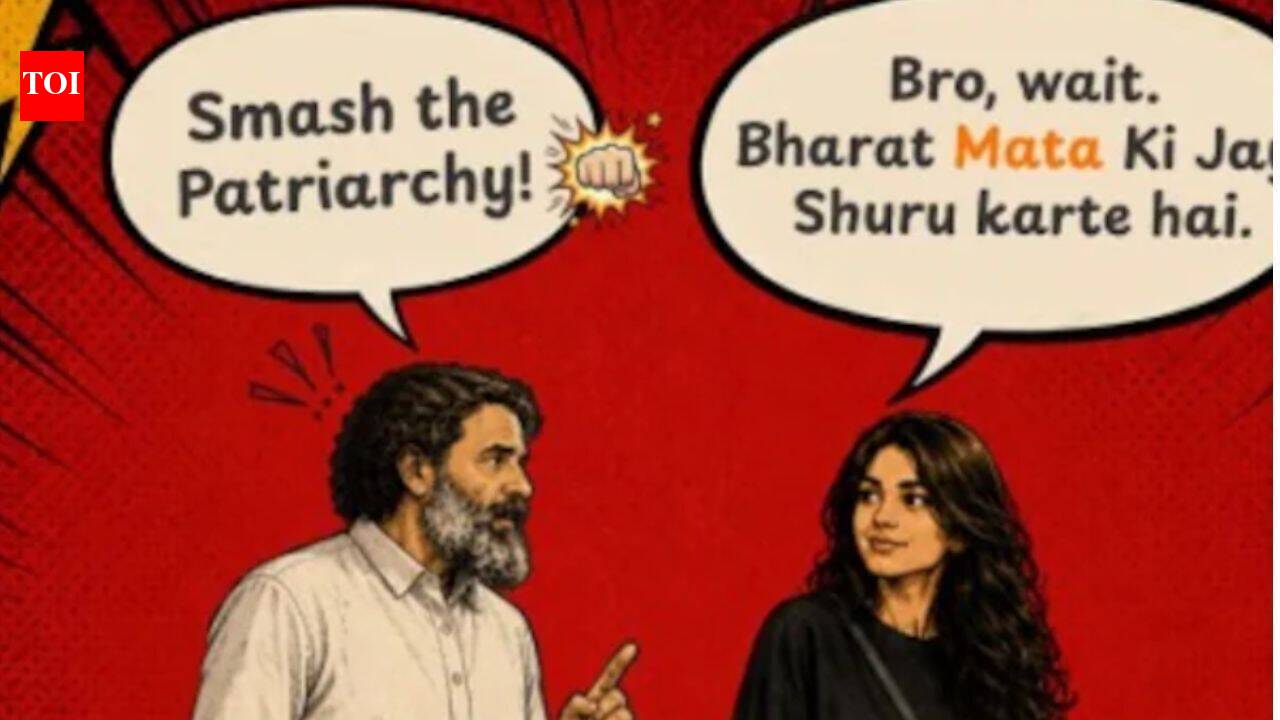
Indian politics sees heightened tensions as Kangana Ranaut invokes nationalist slogans against Rahul Gandhi amid ideological clashes. Simultaneously, the Lok Sabha Speaker has initiated disqualification proceedings against 20 rebel TMC MPs.
Political Turbulence in the Indian Parliament
Recent developments in the Indian political landscape have highlighted a volatile intersection of ideological confrontation and institutional discipline. The discourse surrounding Bollywood actor-turned-politician Kangana Ranaut and opposition leader Rahul Gandhi underscores the intensifying rhetoric within the legislative sphere. By invoking the slogan 'Bharat mata ki jai' in response to the 'smash patriarchy' discourse, Ranaut has signaled a shift toward high-stakes nationalist signaling as a counter-narrative to opposition critiques.
The Clash of Ideologies
The tension between Ranaut and Gandhi is reflective of a broader cultural and political divide currently shaping national debate. While the 'smash patriarchy' rhetoric is often utilized by opposition figures to critique systemic social issues, the counter-invocation of nationalistic pride serves as a strategic pivot. This maneuver is designed to frame the opposition's critique not as a pursuit of social justice, but as an affront to traditional values and national identity, a tactic frequently employed in modern Indian political campaigning.
Institutional Accountability and the TMC
Simultaneously, the parliamentary system faces internal structural challenges as the Lok Sabha Speaker has formally sought responses from 20 rebel Trinamool Congress (TMC) MPs regarding disqualification petitions. This move represents a critical application of the Tenth Schedule of the Constitution, often referred to as the anti-defection law. The initiation of these proceedings highlights the fragility of party cohesion in a landscape where individual political maneuvers often conflict with centralized party mandates.
The Intersection of Rhetoric and Procedure
The juxtaposition of these two events—the public war of words and the formal parliamentary disciplinary process—illustrates the dual nature of contemporary Indian governance. On one hand, political actors are increasingly utilizing social media and public discourse to gain ideological ground. On the other, the institutional machinery, led by the Speaker’s office, is tasked with maintaining the integrity of the legislature by addressing internal party dissent.
Long-term Implications for Governance
Looking forward, these events suggest a trajectory of increased parliamentary friction. As the Speaker moves to address the status of the 20 rebel MPs, the outcome will likely set a precedent for how party discipline is enforced in the current session. Simultaneously, the ongoing verbal sparring between prominent figures like Ranaut and Gandhi indicates that the upcoming legislative sessions will be defined by intense ideological polarization, potentially complicating the legislative agenda and cross-party cooperation.
Multiple Citing Sources