Andrew Mountbatten-Windsor called to give evidence in fraud trial in December
Source Entity
BBC News
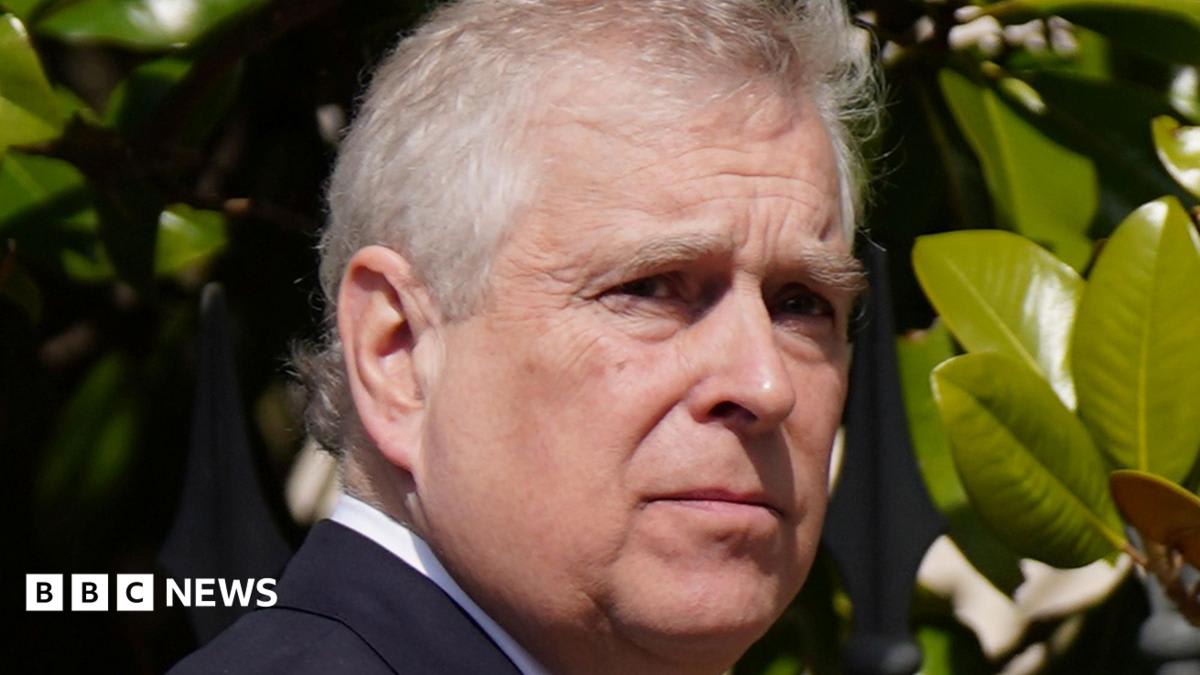
Andrew Mountbatten-Windsor has been summonsed to provide evidence in a High Court fraud trial regarding disputed financial transfers. While not accused of wrongdoing, he faces public questioning for the first time since 2019.
Legal Summons: Andrew Mountbatten-Windsor Called to High Court
In a significant legal development, Andrew Mountbatten-Windsor has been formally summonsed to provide evidence in a High Court fraud trial scheduled for mid-December. The proceedings center on allegations brought by a wealthy woman who claims to have been defrauded by her former financial adviser. While Mountbatten-Windsor is not a defendant and faces no accusations of personal wrongdoing, the court has deemed his testimony necessary to clarify the movement of funds associated with the case.
The Nature of the Financial Dispute
At the heart of the litigation is a series of disputed payments. Reports indicate that Mountbatten-Windsor was a recipient of certain transfers, most notably a sum of £750,000. The court intends to scrutinize these financial arrangements to determine the legitimacy of the transactions and whether they were facilitated through the adviser in question. The summons is a procedural step designed to uncover the origin and purpose of these funds, placing the subject’s financial dealings under direct judicial review.
Public Scrutiny and Historical Significance
This appearance marks the first instance of public questioning for Mountbatten-Windsor since his widely discussed 2019 BBC Newsnight interview. The high-profile nature of this trial, combined with his status, has drawn considerable attention to the intersection of private financial arrangements and the courtroom. Furthermore, the summons carries historical weight, as it is believed to be the first time a member of the royal family has been served with such a requirement since the 19th century, highlighting the rarity of the situation.
Implications for Legal Accountability
The use of a witness summons in this context underscores the High Court’s commitment to transparency and the thorough investigation of alleged fraud. By compelling testimony, the court ensures that all relevant parties—regardless of their stature—contribute to the discovery process. This move suggests that the judicial system is prioritizing the retrieval of facts surrounding the disputed £750,000 transfer over considerations of status or protocol.
Future Trends in High-Stakes Litigation
As this case proceeds toward the December hearing, it sets a precedent for how financial disputes involving high-profile figures are managed in the UK legal system. The outcome may influence future judicial strategies regarding the questioning of non-defendants in complex fraud cases. Observers will be closely watching the proceedings to see how the court balances the necessity of evidence gathering with the complexities of private financial history, potentially reshaping public expectations regarding legal accountability for those in prominent positions.