Andrew Tate exaggerates and did not own supercars in photos, his lawyers say
Source Entity
BBC News
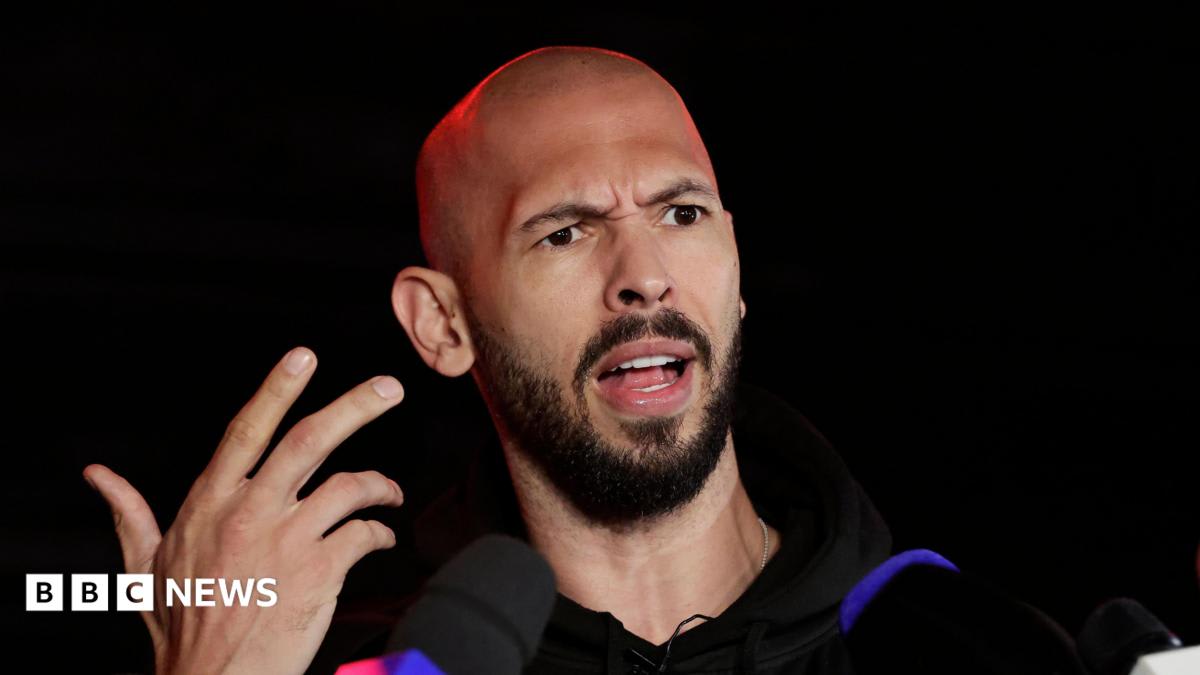
Lawyers for Andrew and Tristan Tate claim the brothers exaggerated their wealth and did not own the luxury vehicles featured in their social media posts. The pair are currently detained in Florida, with prosecutors opposing bail due to concerns they are a flight risk amidst extradition proceedings.
The Illusion of Opulence: Analyzing the Tate Legal Defense
Deconstructing the 'Uberwealthy' Persona
Recent legal filings have brought the carefully curated image of Andrew and Tristan Tate into sharp focus, revealing a significant discrepancy between their online persona and their actual assets. According to their own legal representatives, the brothers' portrayal of themselves as 'uberwealthy' was a performative strategy rather than a reflection of reality. By admitting that the supercars and luxury yachts featured in their social media content were not owned by them, the defense team is attempting to dismantle the prosecution's narrative regarding the brothers' financial power and potential to evade justice.
The Legal Implications of Lifestyle Marketing
This admission serves a specific legal function: it aims to neutralize the prosecution's argument that the Tates possess the immense liquid wealth required to facilitate a high-stakes escape. Prosecutors have long cited the brothers' public displays of affluence as evidence that they have the means to bypass border controls and maintain a life of luxury while on the run. By rebranding these displays as mere marketing exaggerations, the defense is essentially arguing that their clients' 'wealth' is an intangible brand asset rather than a tangible financial resource.
Analyzing the Flight Risk Argument
Central to the current bail hearing in Florida is the classification of the brothers as a 'flight risk.' British prosecutors have pointed to the Tates' previous rhetoric regarding their ability to move between jurisdictions and their alleged use of multiple identities as evidence that they would not return to face trial if released. The defense's pivot to describing their lifestyle as an online performance is a direct attempt to undermine this narrative, suggesting that the brothers' influence is limited to the digital realm and does not translate into the logistical capability to flee extradition.
The Impact of Extradition and Legal Pressure
The Tates are currently awaiting the outcome of extradition proceedings following the unveiling of new charges in the UK, including alleged sexual offences. The gravity of these accusations, combined with the brothers' history of international travel, has placed them in a precarious legal position. The court must now weigh the defense's claims of limited assets against the prosecution's evidence of past behavior, including statements made by the brothers themselves about their ability to evade law enforcement.
Conclusion: A Strategic Shift in Defense
Ultimately, the defense's strategy reflects a broader trend in high-profile legal cases where digital branding is scrutinized under the lens of criminal proceedings. Whether the court accepts the argument that the Tate brothers' lifestyle was merely 'online attention-seeking' remains to be seen. Regardless of the outcome, the case highlights the tension between the curated realities of social media influencers and the stark, factual requirements of the judicial system, setting a precedent for how 'digital wealth' may be treated in future bail and extradition hearings.