Beijing Adds New Island To Its Largest Military Buildup In South China Sea
Source Entity
NDTV News Search Records Found 1000
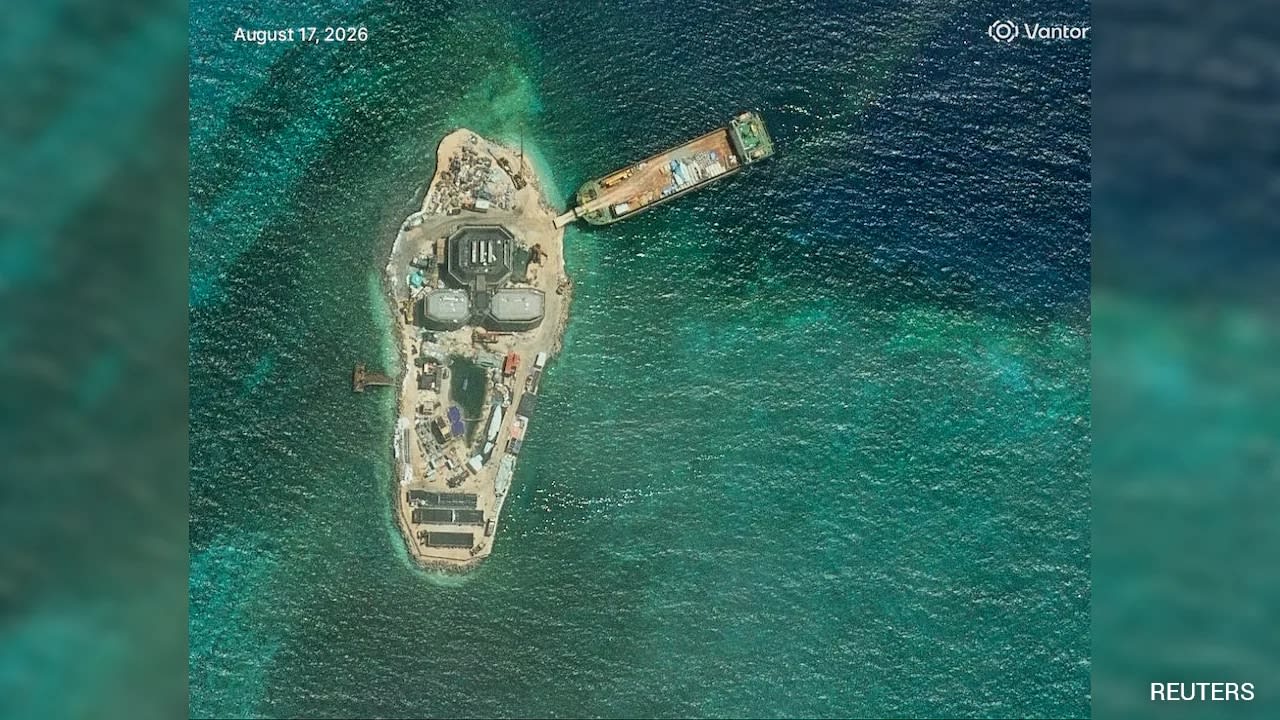
Beijing has expanded its South China Sea infrastructure by incorporating Yagong into its ongoing military buildup. The new site is situated 14 kilometers northeast of Antelope Reef, signaling continued strategic development in the region.
The Strategic Expansion of Yagong
Recent reports indicate that Beijing has incorporated Yagong into its expansive military infrastructure projects within the South China Sea. Situated approximately 14 kilometers to the northeast of Antelope Reef, Yagong represents a tactical addition to the broader network of artificial features and outposts that have been developed across the region over the past decade. While Yagong is characterized as being far smaller than other established sites, its integration into the existing network highlights a persistent effort to solidify control and operational reach in contested maritime zones.
Geographical Context and Strategic Positioning
The positioning of Yagong relative to Antelope Reef is significant for regional maritime domain awareness. By establishing a presence at this specific location, Beijing effectively fills a gap in its surveillance and logistics chain. The proximity between these two features allows for a more cohesive defensive perimeter, enabling the coordination of patrol vessels and monitoring equipment. This incremental approach to territorial consolidation—often referred to as 'salami slicing'—allows for the strengthening of a military footprint without necessarily triggering a major kinetic confrontation.
The Broader Military Buildup
The development of Yagong is not an isolated incident but rather a component of the largest military buildup in the South China Sea to date. Over the last several years, various land reclamation projects have transformed previously submerged or minor features into fortified outposts equipped with runways, radar arrays, and docking facilities. The inclusion of smaller features like Yagong suggests a shift toward densifying this network, ensuring that no sector of the region remains outside of Beijing's operational oversight.
Geopolitical Implications
The expansion of these facilities carries profound implications for international maritime law and regional security. By asserting de facto control over Yagong, Beijing continues to challenge the status quo established by the United Nations Convention on the Law of the Sea (UNCLOS). Neighboring states, many of whom have overlapping territorial claims, view these developments as a direct threat to their sovereignty and freedom of navigation. The continued construction efforts reflect a long-term strategic doctrine aimed at establishing a 'blue water' navy capable of projecting power well beyond the immediate coastline.
Future Trends and Regional Stability
Looking ahead, it is highly probable that the trend of fortifying minor features will continue. As Beijing standardizes its control over these maritime nodes, the potential for friction with regional powers and international actors remains high. Future developments will likely focus on enhancing the technological capabilities of these sites, including improved electronic warfare suites and hardened communication links. The persistent expansion in the South China Sea serves as a clear indicator of Beijing’s commitment to securing its maritime interests, regardless of the diplomatic protests from the international community.
Verification Required?