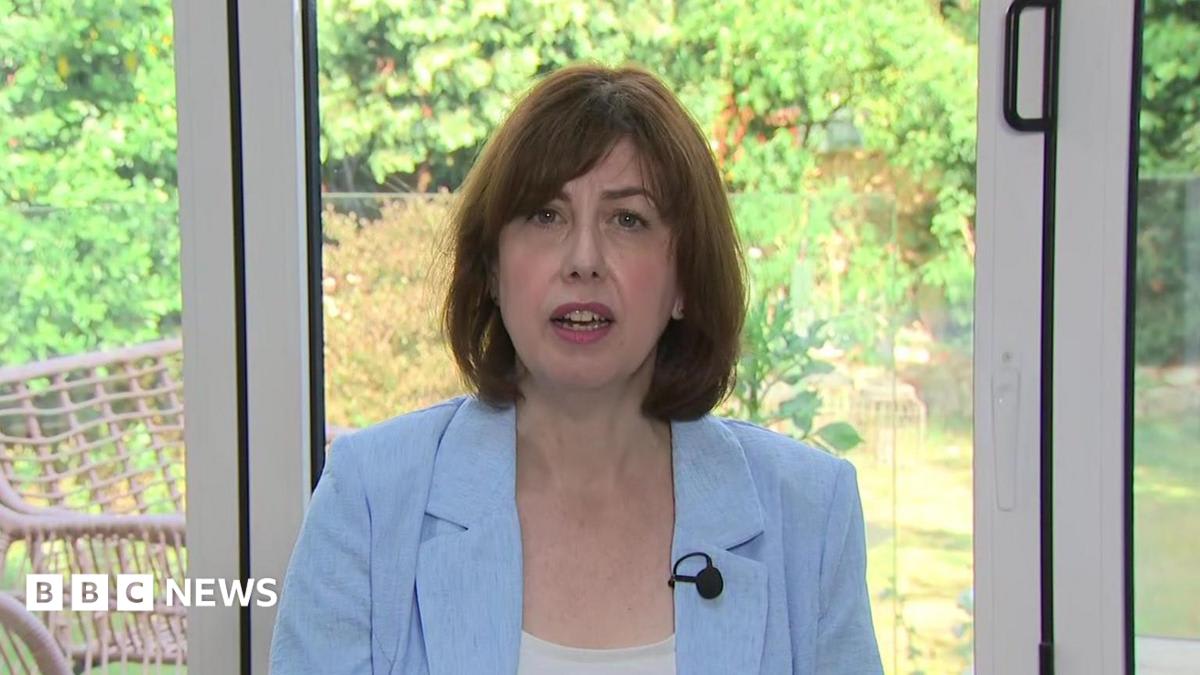
Burnham will be bolder but stick to Labour manifesto, deputy leader says
Source Entity
BBC News
As Andy Burnham prepares to become the 59th UK Prime Minister, he faces intense scrutiny regarding his leadership style and policy agenda. While supporters view him as a pragmatic 'King of the North,' critics like Kemi Badenoch question his decisiveness and political substance.
The Ascension of Andy Burnham: A New Era for Downing Street
As the 56-year-old Andy Burnham prepares to step into the role of the 59th Prime Minister of the United Kingdom, the British political landscape stands at a significant crossroads. Known widely as the "King of the North" during his tenure as the Mayor of Greater Manchester, Burnham brings a unique blend of experiences to the highest office—ranging from his roots as a Cambridge graduate and former cabinet minister to his identity as a "centrist dad" and avid Everton supporter. This transition marks a departure from traditional political archetypes, as he attempts to marry a casual, relatable persona with the gravity of governing a nation.
The Duality of Leadership: Pragmatism vs. Perception
Burnham’s political character remains a subject of intense debate. Supporters point to his success in regional governance and his ability to connect with voters through his authentic, if sometimes unconventional, demeanor. Conversely, his critics—notably Conservative leader Kemi Badenoch—have characterized him as a "people pleaser" with "airy fairy" plans. This tension between his "man of the people" brand and the accusations of being a "ruthless plotter" or a "flip-flopper" will likely define the early months of his administration as he attempts to consolidate power and win over a skeptical opposition.
The Five Pledges and the Promise of Structural Reform
In a speech delivered this past Friday, Burnham set the stage for his premiership by promising "the most significant change moment in our politics for 40 years." Central to this vision are five key pledges, which include a commitment to cross-party cooperation and a fundamental shift in the British constitutional framework: transferring power from the centralized hub of Westminster to local authorities. This decentralization effort is a hallmark of his previous mayoral career and suggests a desire to reshape the UK’s governance model to prioritize regional needs over London-centric policy-making.
The Opposition’s Stance: A Skeptical Reception
Kemi Badenoch’s critique highlights the immediate hurdles Burnham faces. Her assertion that she will not provide a "blank cheque" to the new government signals a combative legislative environment. Badenoch’s focus on the necessity of "tough decisions" suggests that the Conservative opposition intends to frame Burnham’s collaborative approach as a sign of indecisiveness. The core of this political friction lies in whether Burnham can maintain his "distinctively Labour" direction while simultaneously navigating the demands of a parliament that is weary of political point-scoring.
The Symbolism of Style in Number 10
Beyond policy, the transition to Number 10 brings a focus on the optics of leadership. Political history, from Harold Wilson’s pragmatic Gannex coat to Margaret Thatcher’s authoritative power suits, demonstrates that a Prime Minister's public image is intrinsically linked to their perceived authority. For Burnham, whose brand is built on accessibility and a casual, "gig-goer" style, the challenge will be reconciling this persona with the traditional, rigid expectations of the Prime Minister’s office. As experts like Professor Rob Ford note, the scrutiny of political image is intense, and how Burnham chooses to present himself will inevitably influence the public's perception of his suitability for the role.
Conclusion: The Road Ahead
Andy Burnham enters Downing Street with high ambitions and a mandate for structural change. However, his path is fraught with the skepticism of his political rivals and the necessity of maintaining his authentic identity while navigating the harsh realities of national leadership. Whether his "casual style" and decentralization agenda can survive the pressures of central government will be the defining narrative of his early term, determining if he can truly deliver the transformative change he has promised the British public.