Chris Mason: Burnham is fifth PM in four years - now he'll try to buck the trend
Source Entity
BBC News
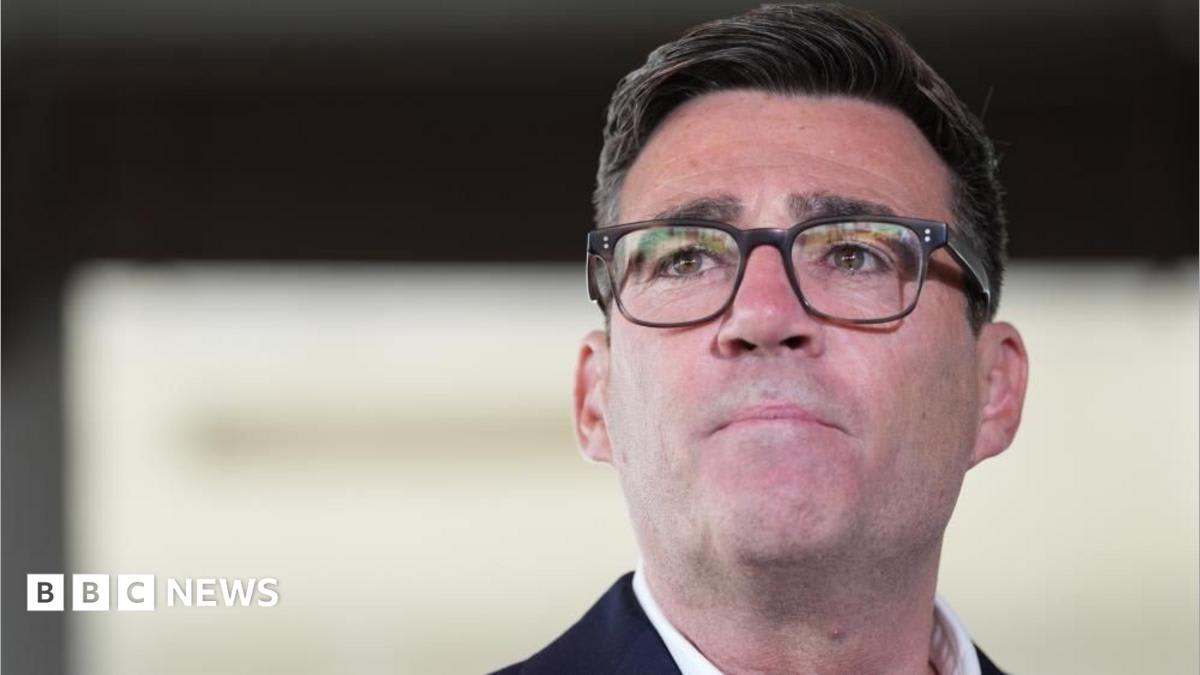
Andy Burnham is set to become the 59th UK Prime Minister, pledging a historic shift in power from Westminster to local authorities. While praised as a charismatic leader, he faces criticism from Kemi Badenoch over his perceived indecisiveness.
The Ascension of Andy Burnham: A New Era for British Governance
Andy Burnham, the 56-year-old former Mayor of Greater Manchester and Cambridge graduate, is poised to become the 59th Prime Minister of the United Kingdom. His transition to No 10 represents more than just a change in leadership; it is framed as a potential paradigm shift in how the UK is governed. Burnham enters the office with a complex reputation, balancing the image of a relatable, "centrist dad" and Everton season ticket holder with that of a seasoned former cabinet minister. This duality is central to his political identity, allowing him to appeal to a broad spectrum of the electorate while possessing the academic and professional pedigree required for the highest office in the land.
The Duality of the "King of the North"
To his supporters, Burnham is the "King of the North," a leader who understands the regional disparities of the UK. However, insiders paint a more nuanced picture, describing him as a "ruthless plotter" who previously led a shadow revolt to oust a prime minister. This suggests a strategic depth beneath his public persona of a poetry-loving, gig-going politician. The tension between his image as a "people pleaser" and his capacity for high-stakes political maneuvering will likely be a defining characteristic of his premiership, as he attempts to navigate the treacherous waters of Westminster politics while maintaining his grassroots appeal.
A Mandate for Decentralization
Burnham has promised to deliver the "most significant change moment in our politics for 40 years," centering his agenda on five key pledges. Most notably, he intends to transfer power from the centralized hub of Westminster to local authorities. This policy is a direct extension of his experience as Mayor of Greater Manchester and reflects a broader ideological shift toward regionalism. By pursuing a "distinctively Labour" direction that emphasizes local empowerment, Burnham seeks to dismantle the traditional top-down approach to governance, though the practical implementation of such a massive structural shift remains to be seen.
Political Friction and the Badenoch Critique
Despite his optimism, Burnham faces immediate and sharp opposition from Conservative leader Kemi Badenoch. Badenoch has dismissed his plans as "airy fairy" and questioned whether he possesses the fortitude to make the "tough decisions" necessary for national leadership. The clash between Burnham's desire to end "point-scoring" in Westminster and Badenoch's assertion that she will "score as many points as possible" for the country's benefit highlights a fundamental divide in leadership philosophy. The incoming Prime Minister will need to prove that his collaborative style is a strength rather than a liability when facing a determined opposition.
The Semiotics of Power: Style and Substance
Beyond policy, Burnham's transition brings a question of political branding and image. Known for a casual style that contrasts with the rigid formality of No 10, Burnham's wardrobe is seen as an extension of his political brand. Historically, British PMs have used fashion as a tool: Margaret Thatcher used high-shoulder suits to project authority, while Harold Wilson's Gannex coat symbolized "cloth-cap" socialism. As Burnham moves into the spotlight, the challenge will be whether his casual approach can survive the scrutiny of the premiership or if he will be forced to adopt a more traditional aesthetic to project the authority demanded by the office.
Conclusion: The Path Forward
Andy Burnham's premiership begins at a crossroads of tradition and transformation. By attempting to bridge the gap between the regional periphery and the center of power, he is betting that a more decentralized, empathetic style of leadership can solve long-standing national issues. Whether he is remembered as a visionary reformer or a "flip-flopper" who struggled with the pressures of No 10 will depend on his ability to translate his "airy fairy" plans into tangible results while managing the relentless opposition of the Conservative party.