Sons injured during CJP’s Parliament march, a mother breaks down: ‘Attack on country’s children’
Source Entity
Vidheesha Kuntamalla
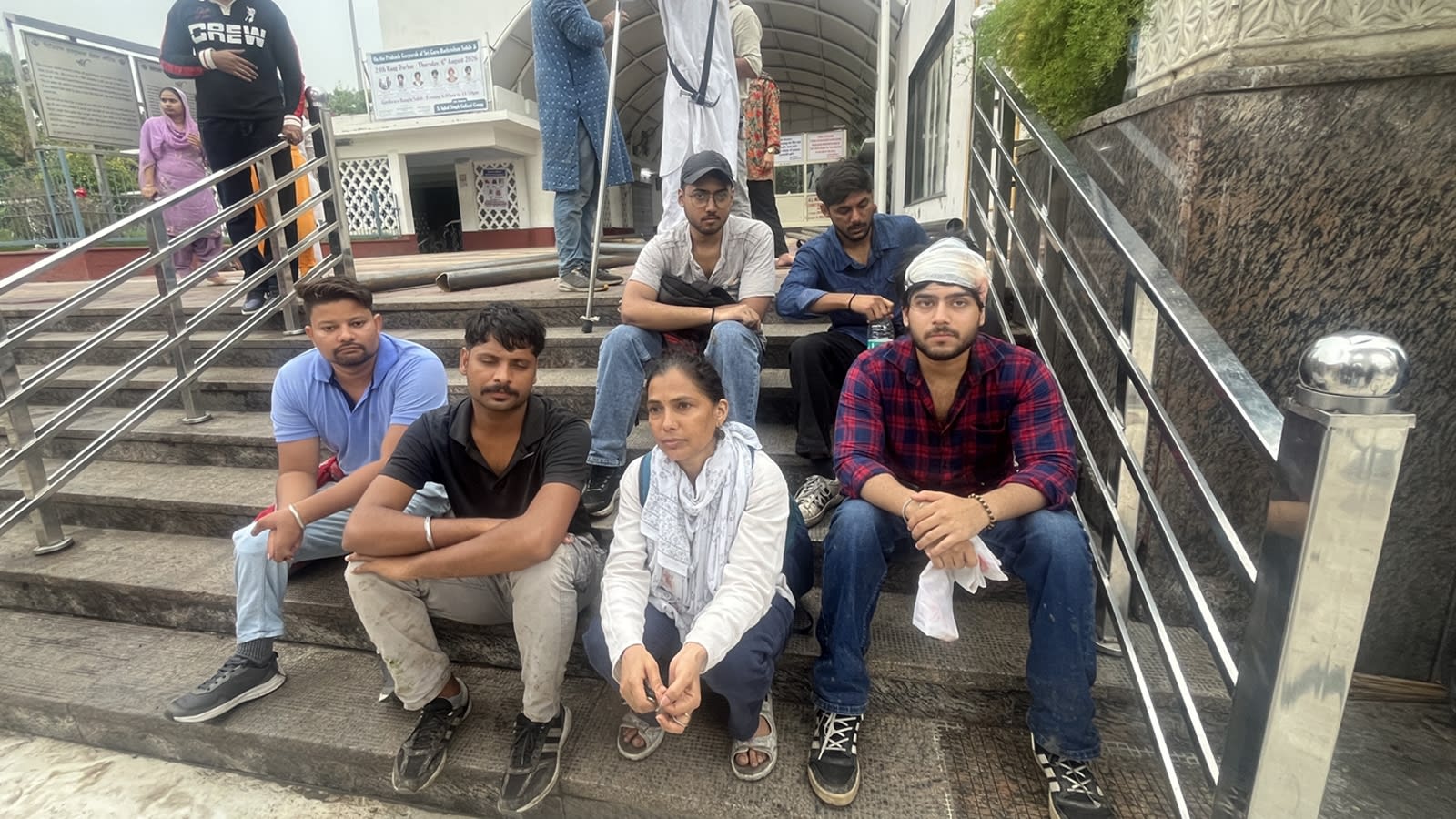
The 'Chalo Sansad' march led by the Cockroach Janta Party (CJP) in Delhi turned violent, resulting in multiple injuries and hospitalizations following a police crackdown. Despite high-level talks between CJP leadership and BJP President JP Nadda, protesters remain defiant, with Sonam Wangchuk continuing his fast.
The 'Chalo Sansad' Crisis: Escalating Tensions in New Delhi
On July 20, 2026, the heart of the national capital became the site of a significant political confrontation as the Cockroach Janta Party (CJP) organized a 'Chalo Sansad' (March to Parliament) protest. The demonstration, centered on demands for the resignation of Union Education Minister Dharmendra Pradhan regarding the NEET controversy, drew tens of thousands of participants. What began as an expression of political dissent quickly spiraled into a chaotic scene defined by teargas shells, lathi-charges, and widespread panic.
The Human Cost of Political Unrest
The intensity of the police crackdown resulted in significant casualties, with scores of protesters requiring urgent medical attention. Reports indicate that at least 38 individuals were admitted to Lady Hardinge Medical College, while approximately 65 were transported to Dr. Ram Manohar Lohia Hospital. Injuries ranged from fractures and swelling caused by tear gas exposure to more severe head and eye trauma. The sight of protesters seeking refuge in the historic Gurdwara Bangla Sahib underscores the desperation and fear that permeated the afternoon as participants attempted to escape the enforcement measures.
Negotiating Under Pressure
Amidst the unfolding violence and an internet shutdown in the New Delhi district, a parallel diplomatic effort was underway. CJP representatives Saurav Das and Ashutosh Ranka engaged in formal discussions with BJP President JP Nadda. The primary objective of these talks was to push for the resignation of Minister Dharmendra Pradhan. However, the dialogue failed to pacify the masses on the ground. Despite the high-level meeting, the agitation persisted, illustrating a growing disconnect between the political leadership and the protesters' demands.
The Stance of Sonam Wangchuk
Central to the movement is the involvement of Sonam Wangchuk, who has become a symbolic figure for the protesters. Wangchuk has publicly condemned the police actions as "brutality" against peaceful demonstrators. He has declared his intention to continue his fast until the government agrees to engage directly with youth leaders or himself. This commitment has galvanized the movement, transforming a protest over policy into a broader struggle regarding the treatment of student activists and the accountability of government officials.
Broader Implications and Future Trends
The 'Chalo Sansad' march reflects a deepening crisis of confidence in the management of national education systems. The NEET controversy, which serves as the catalyst for this unrest, highlights the sensitivity of issues concerning youth employment and academic integrity. As the government attempts to balance administrative control with public order, the persistent refusal of the CJP to back down suggests that this standoff is far from over. Future trends indicate that unless there is a tangible resolution regarding the Education Minister's position or a formal engagement with protest leadership, the cycle of agitation, crackdown, and political deadlock is likely to intensify in the coming weeks.
Multiple Citing Sources