Andy Burnham pledges to end rough sleeping in Britain in his first speech as new UK PM
Source Entity
NAOMI CANTON
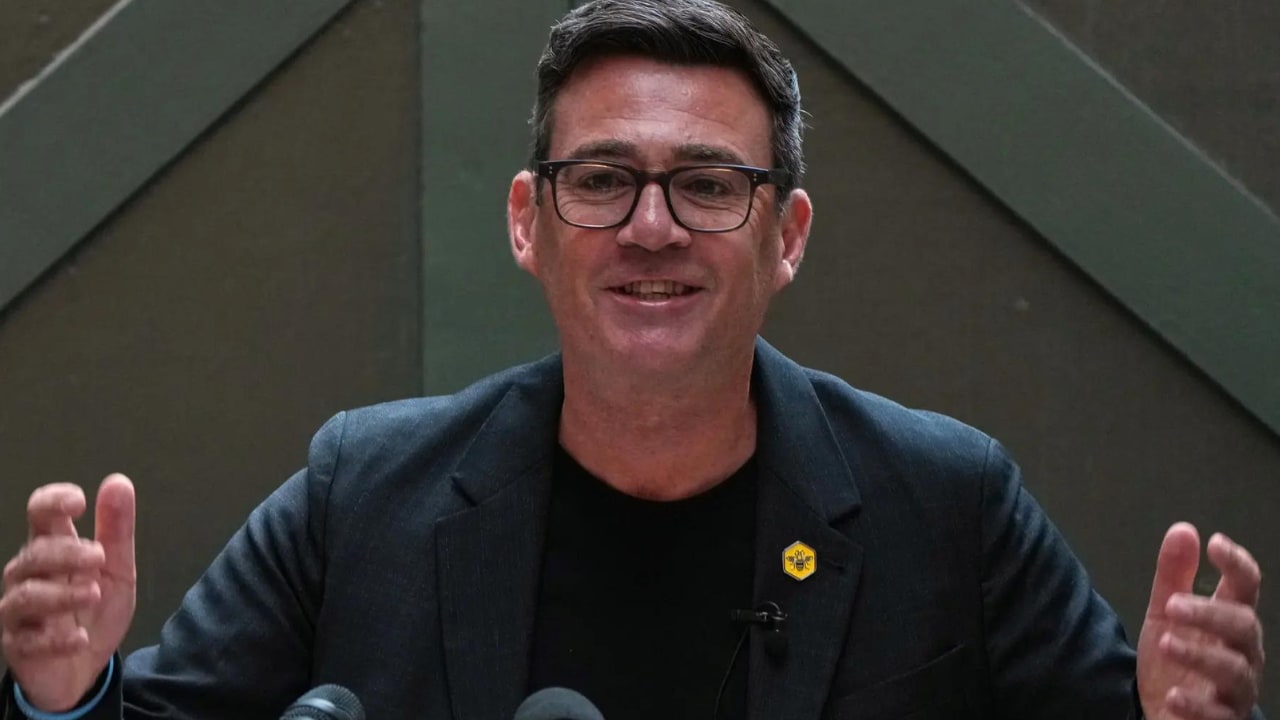
Newly appointed UK Prime Minister Andy Burnham has prioritized ending rough sleeping and addressing the cost-of-living crisis. His administration is expected to pivot toward a new economic model, including potential adjustments to tax-free allowances and energy policies.
A New Era at Downing Street
Andy Burnham has officially ascended to the office of Prime Minister, marking a significant transition as the seventh individual to hold the position in just one decade. Known for his tenure as the Mayor of Greater Manchester—where he earned the moniker "King of the North"—Burnham brings a populist, relatable persona to the highest office in the United Kingdom. His first day was characterized by symbolic gestures, including a visit to The Passage, a homelessness charity, followed by a formal audience with the King at Buckingham Palace.
Prioritizing Social Welfare
Burnham’s inaugural pledge to end rough sleeping in Britain signals a clear intent to prioritize social infrastructure over traditional austerity measures. By centering his first official act on homelessness, the Prime Minister is attempting to align his administration with the concerns of ordinary citizens. This focus is not merely symbolic; it represents the cornerstone of his promise to create a "new political economic model" designed to alleviate the pressures faced by the most vulnerable populations in the UK.
Addressing the Cost-of-Living Crisis
Central to Burnham's domestic agenda is the cost-of-living crisis, which he has identified as the primary barrier to the quality of life for families. He has explicitly promised to provide "breathing space" for households, acknowledging that many citizens are currently unable to afford basic leisure activities or family outings. To achieve this, his administration is exploring adjustments to the tax-free personal allowance, though he has cautioned that legislative shifts in tax policy are complex and require careful navigation ahead of the autumn budget.
Shifts in Energy and Infrastructure
Beyond immediate social relief, the new government is signaling a departure from previous energy policies. With a new energy secretary appointed, the administration is expected to re-evaluate oil and gas exploitation strategies. This pivot creates a delicate balancing act for the Labour government, as it seeks to address energy price volatility while managing internal concerns regarding the nation's commitment to net-zero targets and the potential political threat posed by the Green Party.
Future Trends and Economic Strategy
Looking ahead, Burnham’s policies are expected to favor tangible, localized improvements, such as the potential expansion of the £2 bus fare cap—a policy that differentiates his approach from previous administrative caps. By focusing on direct economic relief and infrastructure accessibility, the Prime Minister is positioning himself as a leader who prioritizes practical, daily impacts on the electorate. Whether this "Manchester-style" governance can be successfully scaled to address systemic national challenges remains the defining question for his nascent premiership.
Multiple Citing Sources