‘Hit on head multiple times… now in ICU’: More than 100 CJP protesters at RML emergency
Source Entity
Tabshir Shams, Nirbhay Thakur
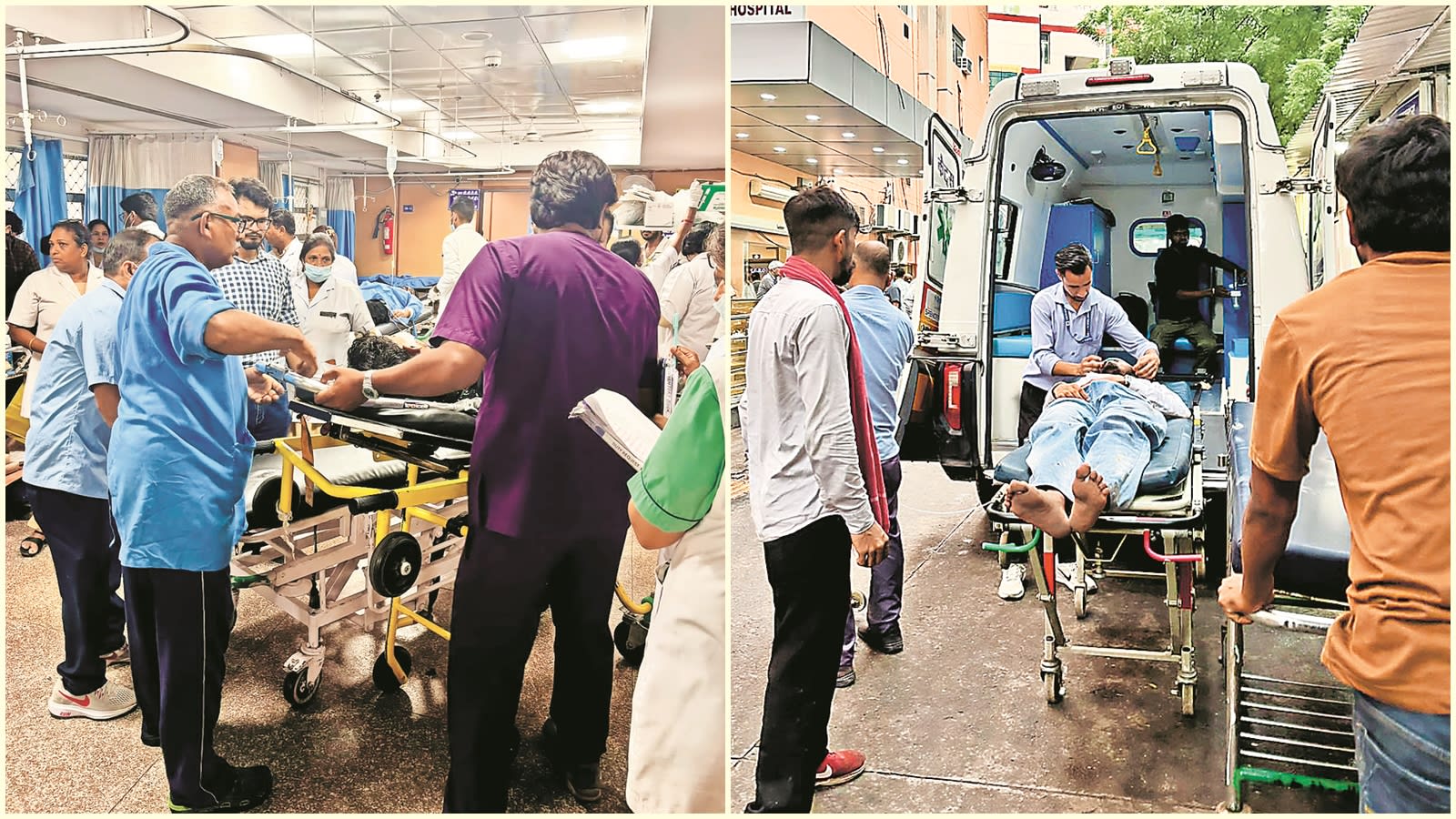
A massive protest led by the CJP in Delhi seeking Education Minister Dharmendra Pradhan's resignation escalated into violent clashes between demonstrators and police. The unrest resulted in significant injuries to both police personnel and protesters, with Sonam Wangchuk being relocated to a hospital.
Turmoil in the Capital: The CJP-Led Parliament March
The recent protest march organized by the CJP in the heart of Delhi has resulted in a volatile confrontation between demonstrators and law enforcement. What began as a public demonstration aimed at demanding the resignation of Education Minister Dharmendra Pradhan quickly spiraled into a chaotic scene on Parliament Street. The atmosphere was defined by the sounds of sirens, the impact of teargas shells, and the desperate efforts of protesters to find safety within the confines of Gurdwara Bangla Sahib.
Escalation and Public Safety Concerns
As the situation deteriorated, the sanctuary of the gurdwara became a focal point for those fleeing the police lathi-charge. Witnesses described a scene of distress, with individuals attempting to mitigate the effects of teargas while holding placards expressing solidarity with activist Sonam Wangchuk. This highlights the high level of tension surrounding the event, as the peaceful intent of the march was rapidly overshadowed by the physical realities of a large-scale crowd control operation.
Conflicting Narratives of the Violence
The Delhi Police have reported significant casualties, noting that over 118 police personnel sustained injuries during the clashes. According to official statements, the demonstrators engaged in aggressive behavior, including the hurling of stones and the vandalism of public and government property. The police maintained that they issued repeated warnings and lawful directives, yet the situation escalated into a direct confrontation that threatened public order.
The Human Cost and Police Response
Conversely, the protesters reported their own injuries, with approximately 60 demonstrators sustaining harm during the scuffles. The event also saw the detention of 70 individuals as law enforcement sought to regain control of the area. Amidst this backdrop of civil unrest, the status of key figures became a priority, evidenced by the Delhi Police shifting Sonam Wangchuk to Safdarjung Hospital, though the specific circumstances of his removal remain a subject of intense public observation.
Broader Political Implications
The demand for the Education Minister's resignation, coupled with the intensity of the march, signals a deepening rift between the CJP-led movement and the current administration. Such events often serve as a barometer for political discontent in the capital, reflecting broader societal grievances that manifest through public demonstrations. The scale of the response by both the protesters and the police suggests that these issues are deeply polarizing and unlikely to be resolved without significant dialogue or political intervention.
Looking Ahead: The Path Toward Resolution
As the dust settles, the aftermath of this march will likely lead to increased scrutiny regarding the management of public protests in Delhi. The intersection of student-led or activist-led movements with stringent security protocols often creates a cycle of escalation. Moving forward, the focus will likely shift toward accountability for the violence, the medical status of those injured, and the potential for further political fallout following the failed march and the subsequent detention of participants.
Multiple Citing Sources