Burnham's policy choices reveal what kind of PM he wants to be
Source Entity
BBC News
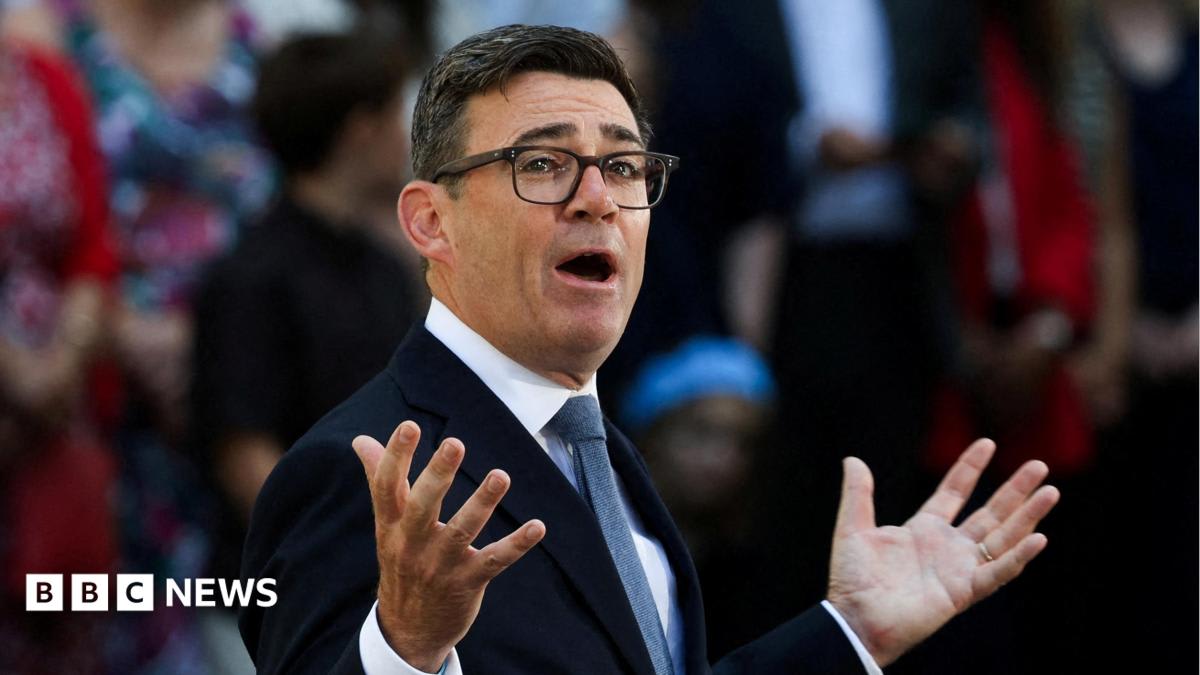
Prime Minister Andy Burnham has launched his administration with a focus on cost-of-living relief and energy policy shifts. His early agenda includes tackling rough sleeping and evaluating tax-free personal allowances to provide financial 'breathing space' for families.
The Emergence of the Burnham Doctrine
Prime Minister Andy Burnham has initiated his term with a clear focus on addressing the immediate financial anxieties of the British public. By prioritizing the concept of "breathing space," Burnham is signaling a shift toward tangible, relief-oriented governance. His early commitment to tackling rough sleeping serves as a moral baseline for his administration, setting a tone that centers on social welfare and the reduction of extreme poverty as a primary executive objective.
Navigating the Cost-of-Living Crisis
The cost-of-living crisis remains the most significant hurdle for any incoming administration, and Burnham has explicitly linked his policy agenda to the daily struggles of ordinary citizens. By highlighting the inability of families to afford basic luxuries—such as a pint on a Friday or a family holiday—he is framing the economic debate through a human-centric lens. The upcoming announcement regarding potential adjustments to the tax-free personal allowance suggests a willingness to use fiscal levers to alleviate pressure, though he has cautiously acknowledged the inherent difficulty of such structural changes.
The Energy Policy Crossroads
Perhaps the most contentious area of Burnham’s early tenure involves the government's stance on energy. With a new energy secretary appointed, the administration is poised to pivot on oil and gas exploitation policies. This creates a delicate political balancing act; while the move may be necessary to address rising energy prices, it risks alienating voters concerned about the government's commitment to net-zero targets. Labour MPs in constituencies vulnerable to the Green Party are watching these developments closely, fearing that any perceived dilution of environmental goals could prove electorally costly.
Regional Autonomy and Transport Reform
Burnham’s background is reflected in his potential transport policies, specifically the proposal to extend Manchester’s £2 bus fare cap. This initiative serves as a clear point of differentiation from the previous administration’s £3 cap. By championing localized, effective transport solutions, Burnham is leveraging his experience to provide immediate, visible support to households while testing the viability of regional policy successes on a national stage.
Future Outlook and Challenges
As the government prepares for its first full day of policy rollouts and looks ahead to the autumn Budget, the administration faces the pressure of high expectations. The challenge for Burnham will be to reconcile the "breathing space" he has promised with the fiscal realities of a constrained economy. Whether through direct intervention in energy markets or tax reform, the success of his early tenure will likely be measured by his ability to translate these promises into concrete, sustainable improvements for the average family budget.