Shiv Sena MPs merger: How Speaker Om Birla’s decision changes NDA politics
Source Entity
Vallabh Ozarkar
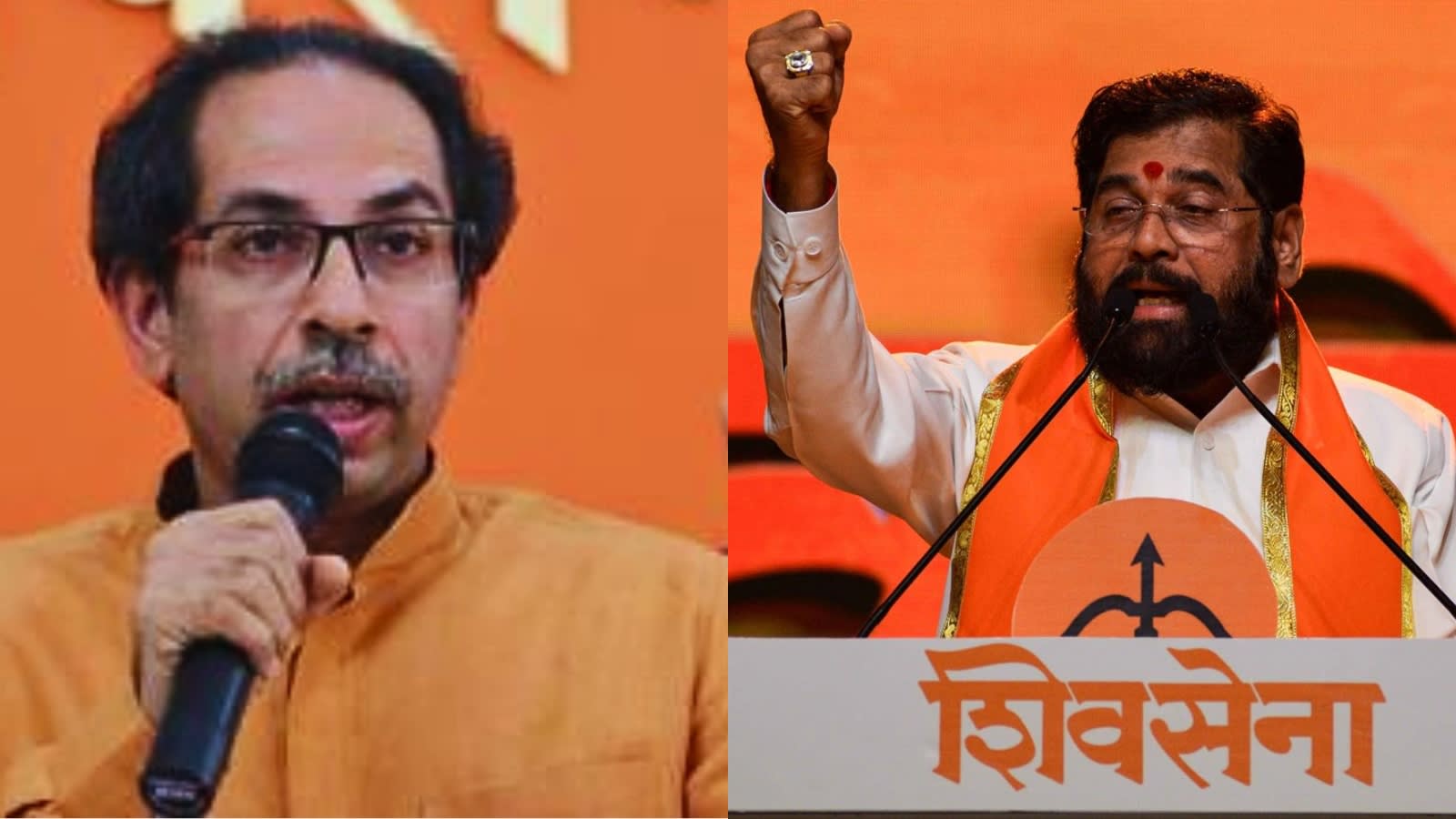
Lok Sabha Speaker Om Birla has recognized the merger of six Shiv Sena (UBT) MPs into the Eknath Shinde-led Shiv Sena. This strategic shift significantly bolsters the Shinde faction's standing within the NDA coalition.
The Reshaping of the Shiv Sena in Lok Sabha
On June 18, just ahead of the Monsoon Session of Parliament, Lok Sabha Speaker Om Birla issued a decision that has significantly altered the legislative landscape of Maharashtra politics. By officially recognizing the merger of six Shiv Sena (UBT) members into the Eknath Shinde-led Shiv Sena, the Speaker has fundamentally changed the parliamentary arithmetic for both the ruling National Democratic Alliance (NDA) and the opposition.
Impact on Parliamentary Strength
The immediate consequence of this recognition is a shift in the balance of power within the lower house. The Eknath Shinde-led Shiv Sena has seen its strength surge from seven to 13 members, while the Shiv Sena (UBT) faction, led by Uddhav Thackeray, has been reduced to just three members. This realignment is not merely a numerical adjustment; it serves as a formal validation of the Shinde faction’s claim to the party's legislative identity, significantly weakening the parliamentary leverage of the UBT faction.
Strategic Consolidation within the NDA
This move reinforces Eknath Shinde’s position as a vital stakeholder within the BJP-led NDA. Following the 2024 Maharashtra Assembly elections, which cemented the BJP's role as the dominant partner in the state’s Mahayuti alliance, the expansion of the Shinde-led contingent provides a necessary boost to his faction's political relevance. It ensures that the Shinde-led Shiv Sena maintains a more robust voice in federal deliberations, further aligning the party’s legislative goals with the broader NDA agenda.
The Defectors and Their Impact
The list of defectors—Sanjay Jadhav, Sanjay Patil, Sanjay Deshmukh, Omraje Nimbalkar, Nagesh Patil Ashtikar, and Bhausaheb Wakchaure—represents a significant exodus from the UBT camp. Their transition to the Shinde faction effectively hollows out a portion of the opposition’s organizational capacity in the Lok Sabha. Such high-profile defections often signal deeper internal fractures within political parties, reflecting the ongoing struggle for the legacy and control of the Shiv Sena.
Broader Political Implications
This development is emblematic of the intense factional rivalry that has defined Maharashtra politics since the split in the Shiv Sena. By legitimizing this merger, the Speaker’s decision provides the Shinde faction with legal and parliamentary cover, which will likely influence future discourse regarding party recognition and control. As the NDA seeks to maintain its momentum in the current legislative session, the presence of a larger, unified Shinde-led Shiv Sena bloc will be instrumental in navigating complex policy votes and strengthening the ruling coalition's mandate.
Concluding Summary
In conclusion, Speaker Om Birla’s recognition of the merger marks a pivotal moment in the ongoing power struggle between the two Shiv Sena factions. By consolidating the Shinde faction's parliamentary presence, the move has effectively sidelined the UBT faction in the Lok Sabha and solidified the internal hierarchies of the Mahayuti alliance. As the political climate in Maharashtra remains volatile, this legislative shift serves as a critical indicator of the shifting loyalties and power dynamics that will continue to dictate the state's political future.