Angelina Jolie's charity helps over 17,000 children secure legal representation
Source Entity
TOI WORLD DESK
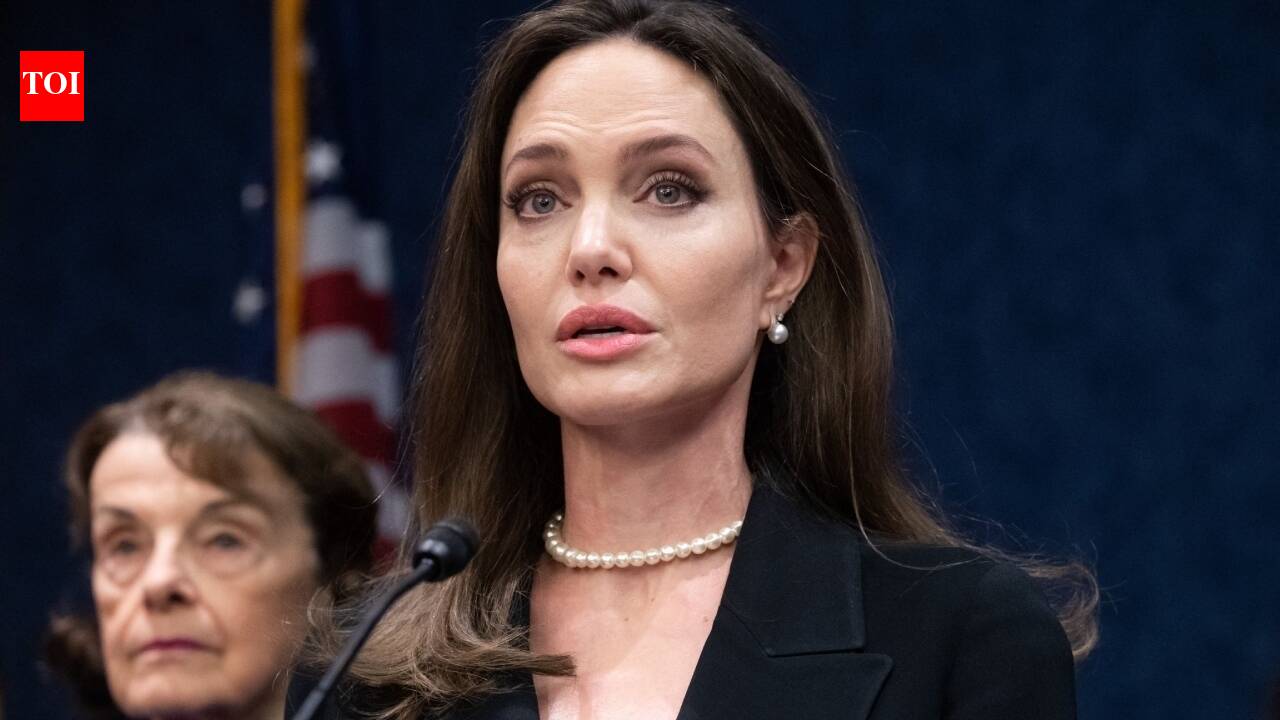
Angelina Jolie's organization, Kids in Need of Defense (KIND), has successfully provided legal aid to over 17,000 unaccompanied children. By connecting vulnerable minors with pro bono attorneys, the charity ensures these children navigate complex asylum processes safely.
Bridging the Gap in Child Asylum Advocacy
Since its inception in 2008, Kids in Need of Defense (KIND), co-founded by Angelina Jolie, has emerged as a critical pillar in the international effort to protect unaccompanied minors. By addressing the severe lack of legal representation for children navigating foreign asylum systems, the organization has effectively bridged a humanitarian gap. The recent report highlighting the milestone of assisting over 17,000 children serves as a testament to the efficacy of institutionalized pro bono legal support in high-stakes migration scenarios.
The Mechanics of KIND’s Intervention
The core of KIND’s operational model lies in its extensive network of pro bono attorneys. Unlike standard legal aid, which may be overburdened or inaccessible to minors, KIND facilitates a specialized match between legal professionals and children who often lack the literacy, language skills, or age-appropriate understanding to advocate for themselves. This intervention is not merely bureaucratic; it is life-saving. By ensuring that a child’s specific circumstances are presented accurately to immigration authorities, the organization prevents the premature rejection of asylum claims that could result in the return of a child to a dangerous environment.
Addressing Trauma and Psychosocial Needs
A critical aspect of the organization’s work, as evidenced by their 2026 reporting, is the holistic approach to child welfare. Many of the children assisted by KIND, such as the case of 16-year-old Aryad, have endured extreme conflict and displacement. Beyond legal filings, the organization integrates psychosocial support into its framework. Recognizing that legal trauma is often compounded by the emotional toll of migration, KIND’s comprehensive service model ensures that legal representation is supported by stable placement, such as foster care, which is essential for the stabilization of a child’s mental well-being.
Strategic Partnerships and Global Reach
Recent developments, including partnerships with major technology entities like Microsoft, suggest a strategic evolution in how NGOs manage complex data and legal casework. By leveraging technological resources, KIND can more efficiently map legal networks across the United States and Mexico, optimizing the speed at which a child can be connected to counsel. This technological integration is becoming increasingly vital as the complexity of global migration patterns grows, requiring more agile and data-driven responses to humanitarian crises.
Future Trends in Humanitarian Legal Aid
Looking ahead, the success of KIND provides a scalable blueprint for international human rights organizations. As global conflict continues to force children into perilous journeys, the reliance on pro bono networks will likely intensify. The future of this sector will likely depend on the ability of such organizations to maintain high-quality legal standards while scaling their operations to meet rising demand. The focus on vocational training and long-term integration, as seen in the case of Aryad, signals a shift toward not just legal protection, but successful social reintegration for displaced youth.
Conclusion
The work conducted by KIND represents a significant intervention in the protection of human rights. By professionalizing the legal defense of unaccompanied minors, Angelina Jolie and her partners have created a sustainable mechanism that prioritizes the dignity and safety of children. As the organization continues to grow, its model of combining legal advocacy with psychosocial support will remain an essential component in mitigating the long-term impact of forced displacement on the world's most vulnerable population.