Anker’s sleep speaker uses radar and flower power to help you relax
Source Entity
Thomas Ricker
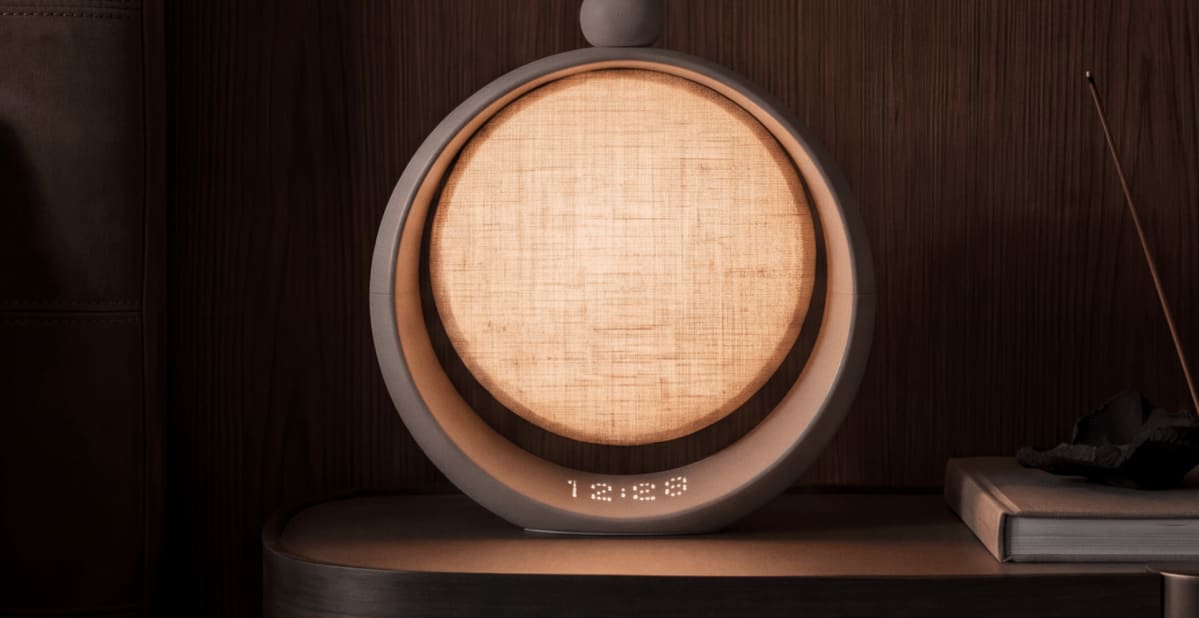
Anker has introduced the SleepLab speaker, a non-wearable device that utilizes 60GHz millimeter-wave radar to monitor sleep metrics. The speaker aims to improve sleep quality by analyzing body movements and using personalized audio and light cues.
The Evolution of Non-Wearable Sleep Tracking
Anker’s latest innovation, the SleepLab speaker, represents a significant shift in consumer health technology by moving away from traditional wearable devices. While smartwatches and fitness bands have long dominated the sleep-tracking market, they often suffer from user fatigue, requiring charging and physical contact throughout the night. By transitioning to a stationary, nightstand-based solution, Anker is addressing a major barrier to adoption: the inconvenience of wearing hardware to bed.
Harnessing Millimeter-Wave Radar Technology
At the core of the SleepLab speaker is 60GHz millimeter-wave radar technology. This sophisticated sensor suite allows the device to detect micro-movements in the user's chest and body with high precision. By monitoring these subtle physiological signals, the device can track heart rate and breathing patterns without requiring the user to attach electrodes or sensors to their skin. This non-invasive approach provides a more seamless user experience while maintaining the granularity of data typically expected from medical-grade monitoring tools.
Personalized Sleep Optimization
The device does more than just observe; it actively participates in the sleep environment. The SleepLab speaker is designed to learn a user's unique sleep profile over the course of a month. By identifying which routines—such as specific acoustic binaural beats or ambient lighting adjustments—lead to the most restful sleep, the device creates a customized feedback loop. This capability to adapt in real-time to the user's sleep stage marks a transition from passive tracking to proactive sleep management.
Bridging Technology and Wellness
The integration of "hippie" aesthetics or wellness-focused features alongside high-end radar technology suggests a broader trend in the tech industry: the convergence of clinical data and holistic well-being. By combining technical metrics like heart rate variability with relaxation-focused tools like lighting and soundscapes, Anker is positioning the SleepLab as a comprehensive lifestyle product rather than just a technical gadget.
Future Implications and Industry Trends
As this technology matures, we can expect to see a greater reliance on ambient computing in health monitoring. The success of the SleepLab could signal a decline in the necessity of wearables for basic health tracking, paving the way for a generation of "invisible" health devices. If Anker can successfully demonstrate that radar-based monitoring is as reliable as wearable sensors, it may fundamentally change how we interact with our bedroom environments, turning the nightstand into a central hub for health and recovery.
Conclusion
Anker's SleepLab speaker is a bold step toward making sleep science more accessible and less intrusive. By leveraging radar technology to provide actionable, personalized insights, the device offers a compelling alternative to current market standards. As the product moves toward widespread adoption, its ability to effectively synthesize complex biological data into simple, relaxing routines will be the key factor in its long-term success.