The Infinite Monkey problem: what AI means for the future of the book
Source Entity
Aishwarya Khosla
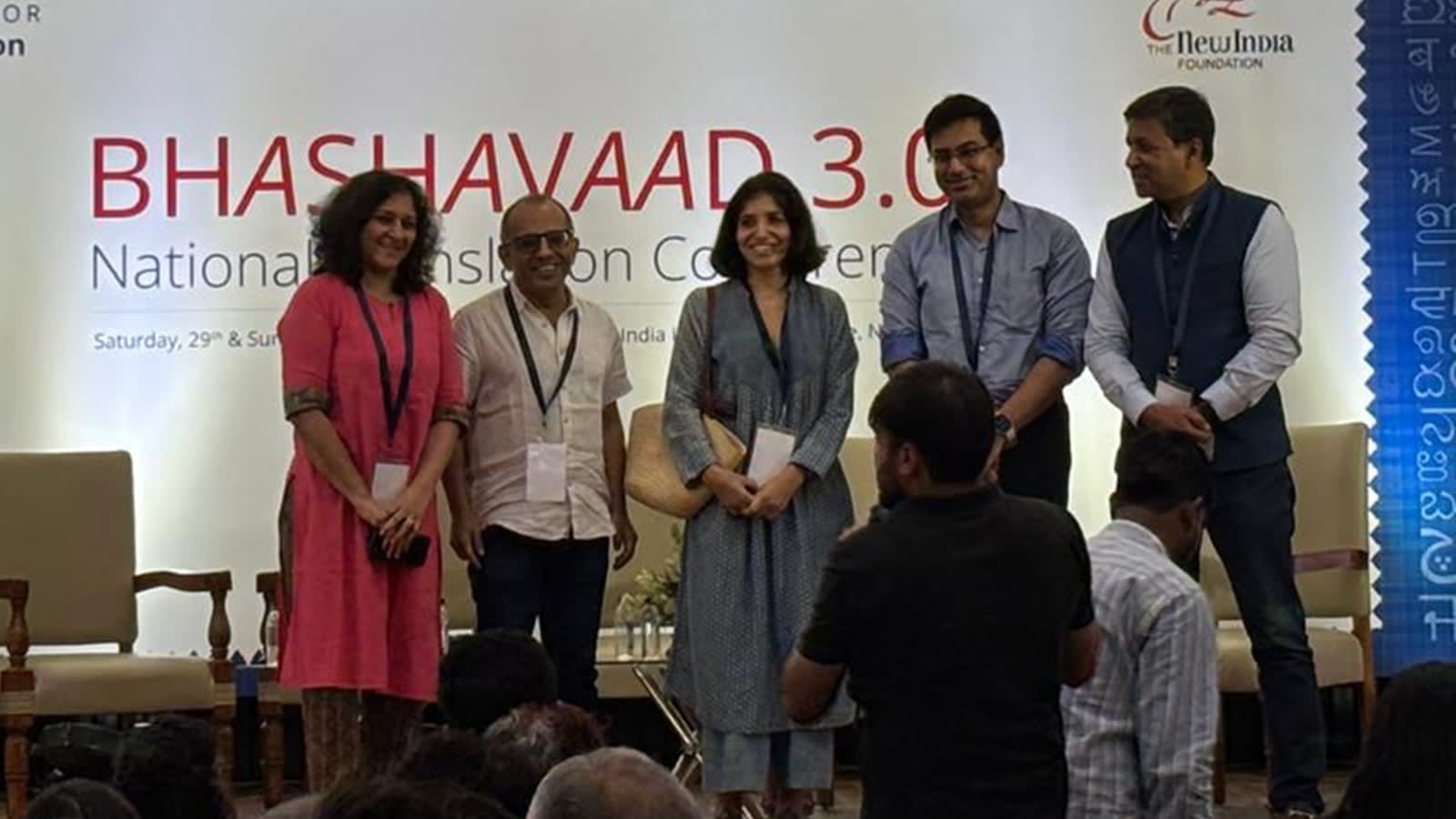
The rise of AI-generated books is forcing the publishing industry to confront existential questions regarding value, authorship, and reader trust. Experts at Ashoka University's Bhashavaad 3.0 conference recently debated the implications of this shift on the future of literature.
The Existential Dilemma of AI-Authored Literature
As artificial intelligence tools lower the barrier to entry for content creation, the publishing industry finds itself at a critical crossroads. The core issue, as highlighted during the 'Writing and Publishing in the Age of AI' panel at Ashoka University’s Bhashavaad 3.0 conference, is no longer whether machines possess the technical capacity to write, but rather what the intrinsic value of a book becomes in a saturated market. When the exertion of human creativity is no longer a prerequisite for a finished manuscript, the traditional economic and cultural foundations of publishing are called into question.
The Erosion of Authorial Authenticity
The central anxiety voiced by industry experts like Karthika VK and Chiki Sarkar revolves around the consumer experience. If a reader invests time in a narrative, develops an emotional connection to the characters, and subsequently recommends the work, the revelation that the text was machine-generated could fundamentally alter the relationship between author and reader. This 'Infinite Monkey' problem suggests that when content is stripped of human intentionality, the psychological contract of literature—the belief that one is engaging with another human's lived experience—is severed.
Challenges to Trust and Curation
Translator Arunava Sinha and professor Debayan Gupta noted that the influx of AI-generated material presents a massive challenge for publishers in terms of curation and verification. If automation becomes the norm, the role of the publisher as a gatekeeper of quality and human insight becomes even more vital, yet harder to maintain. The market risks being flooded with technically correct but hollow prose, forcing publishers to differentiate between 'content'—which AI can produce in abundance—and 'literature,' which requires a human perspective.
The Legal and Ethical Landscape
Moderated by author and lawyer Rahul Matthan, the discussion also touched upon the regulatory uncertainties surrounding AI in publishing. As the lines between human and machine authorship blur, the legal definitions of intellectual property and original creation are being tested. The legal frameworks currently in place were designed for a world where authorship was an exclusively human endeavor, and they are currently ill-equipped to handle the nuance of AI-assisted, or AI-generated, creative works.
Future Trends in Literary Consumption
Looking forward, the publishing industry will likely see a bifurcation of the market. We may see a premium placed on 'human-certified' literature, where the provenance of the writing becomes a selling point. Conversely, the ease of production might lead to a democratization of niche storytelling, provided that readers can navigate the flood of automated content. Ultimately, the industry must decide how much automation is acceptable before the term 'book' loses its traditional cultural weight, a transition that will require both technological transparency and a re-evaluation of what society values in a story.