Trump wants to rename Strait of Hormuz ‘Trump Strait’. Can he?
Source Entity
The Indian Express
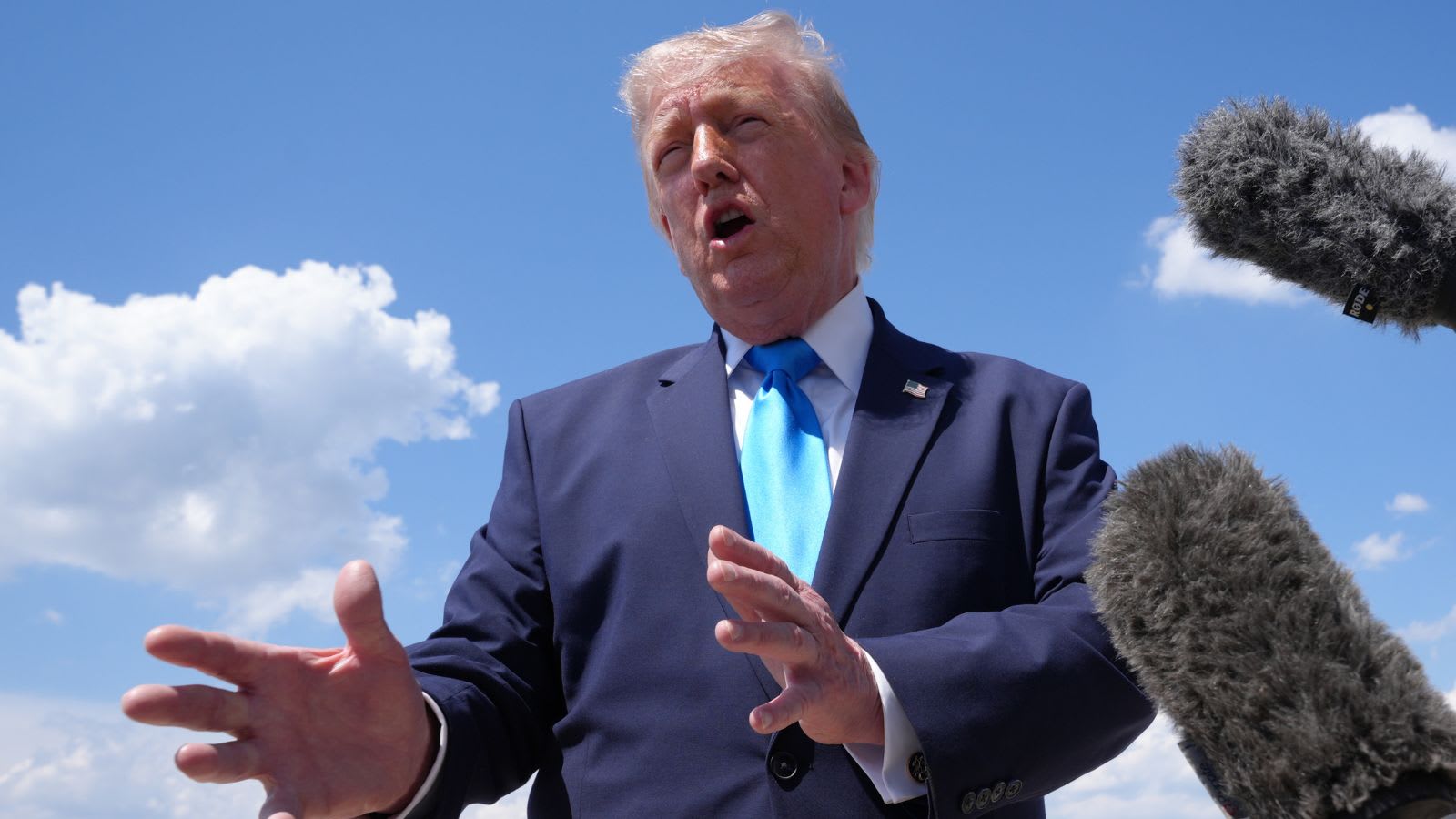
President Trump has proposed renaming the Strait of Hormuz to 'Trump Strait' following US strikes on Iranian rocket launchers on Larak Island. The move underscores escalating tensions as Iran shifts its maritime strategy toward land-based threats.
The Geopolitical Symbolism of the 'Trump Strait'
President Donald Trump’s proposal to rename the Strait of Hormuz to the "Trump Strait" represents a bold, symbolic assertion of American military dominance in one of the world’s most critical maritime chokepoints. By claiming the waterway is now under "U.S.A. control," the administration is signaling a departure from traditional diplomatic norms regarding international waters, opting instead for a narrative of direct hegemony. This move, amplified by the White House’s official social media channels, serves both a domestic political function and an international warning to Tehran.
Strategic Shifts in the Strait
The rhetoric surrounding the renaming coincides with a tangible shift in military tactics on the ground. Recent reports indicate that Iran has moved away from relying solely on small-boat swarms, opting instead for land-based rocket launchers capable of deploying sea mines. The U.S. military’s recent strike on Larak Island—targeting these launchers—highlights the ongoing cat-and-mouse game occurring in this narrow passage, through which a significant portion of the world's oil supply flows.
The Escalation of Naval Warfare
Historically, the Strait of Hormuz has been a site of constant tension, but the current escalation marks a departure from previous norms. The use of land-based assets to threaten maritime traffic complicates defensive measures for the U.S. Navy. Unlike mobile patrol boats, fixed or semi-mobile rocket launchers hidden on islands like Larak present a harder-to-detect threat. The resumption of U.S. strikes after a month-long pause suggests that the window for de-escalation has narrowed significantly.
Diplomatic and Legal Implications
The renaming of a major international waterway is more than just a rhetorical flourish; it challenges the established legal framework of the United Nations Convention on the Law of the Sea (UNCLOS). By attempting to rebrand a global artery, the administration is testing the international community’s acceptance of "control" as a justification for sovereignty. This move is likely to be met with intense diplomatic pushback from regional powers and international bodies that view the strait as a global commons.
Future Trends and Regional Stability
As the conflict between the U.S. and Iran intensifies, we can expect to see further "gray zone" tactics. The shift toward faster, harder-to-detect mining methods suggests that Iran is prioritizing disruption over direct naval confrontation. Conversely, the U.S. is likely to maintain a posture of aggressive preemption, as evidenced by the targeting of Larak Island. The "Trump Strait" branding serves as a marker of how far the current administration is willing to go to project power, setting the stage for a prolonged, volatile standoff in the Persian Gulf.
Conclusion
Ultimately, the proposal to rename the Strait of Hormuz mirrors the high-stakes nature of the current conflict. While the name change remains a symbolic gesture for now, the underlying military reality—a shift toward land-based rocket threats and preemptive U.S. strikes—suggests that the waterway is becoming increasingly militarized. The world remains focused on whether these tactical exchanges will remain contained or escalate into a wider regional conflagration.