Watch: Drop in small boats crossings forces smugglers to adapt
Source Entity
BBC News
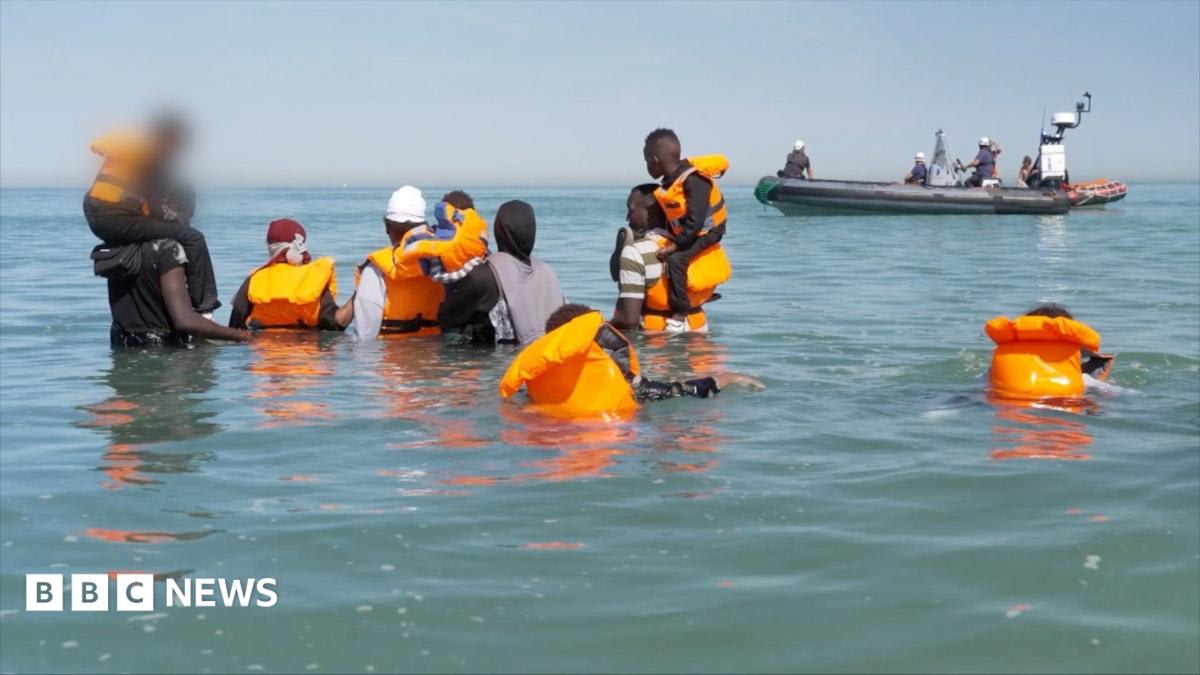
Criminal smuggling gangs are increasingly collaborating and utilizing larger 'mega-dinghies' due to a supply shortage of small boats caused by heightened police crackdowns. This shift in operational tactics has led to more dangerous, crowded crossings despite a six-year low in overall boat activity.
The Evolution of Channel Smuggling Tactics
Recent investigations have uncovered a significant shift in the operational strategies of criminal smuggling networks operating along the English Channel. As law enforcement agencies ramp up patrols and interdiction efforts, these gangs are facing a critical shortage of the small inflatable boats traditionally used for human trafficking. This scarcity has forced once-rival criminal syndicates to forge unlikely alliances, consolidating their limited resources to maintain their illicit operations in the face of mounting pressure.
The Shift Toward 'Mega-Dinghies'
Perhaps the most alarming development in this cat-and-mouse game between authorities and smugglers is the emergence of 'mega-dinghies.' Rather than utilizing smaller, more maneuverable vessels, gangs are now loading significantly higher numbers of migrants onto larger craft. This trend, first observed within the last month, represents a dangerous escalation in risk for the families and individuals attempting these crossings. By maximizing the capacity of these larger vessels, smugglers aim to offset the reduced frequency of departures caused by current supply constraints.
Tactical Adaptations to Police Presence
Historically, smuggling operations were largely clandestine, occurring under the cover of darkness to avoid detection. However, the current crackdown has forced a counter-intuitive change in behavior. Charity workers and observers have noted that gangs are increasingly opting for daylight hours to launch these vessels. The rationale for this shift is twofold: the longer arrival time for logistics support—often referred to as 'taxi boats'—requires more daylight for coordination, and the presence of crowds and holidaymakers provides a degree of cover that smugglers believe complicates police intervention.
The Human Cost of Smuggling Shifts
Despite the overall number of small boat crossings hitting a six-year low, the human impact of these journeys remains profound. Reports from coastal areas like Gravelines depict scenes of profound exhaustion and distress, as failed attempts leave migrants stranded on beaches. The juxtaposition of ordinary holiday activities—such as fishing and dog walking—occurring just meters away from these desperate scenes highlights the normalization of a humanitarian crisis that continues to unfold in plain sight.
Future Trends and Implications
As law enforcement continues to choke the supply chain of small boats, we can expect criminal networks to innovate further, likely moving toward even larger, more dangerous vessels or shifting their transit points entirely. The forced cooperation between rival gangs suggests a high level of desperation to maintain profit margins, which ultimately signals that the smuggling industry remains resilient despite the significant reduction in successful crossings. This dynamic suggests that until the root causes of supply shortages are matched by effective, long-term humanitarian solutions, the cycle of tactical escalation will likely continue, further endangering those who rely on these perilous routes.
Multiple Citing Sources