Channel smuggling gangs resort to 'mega-dinghies' as crackdown limits small boat supply
Source Entity
BBC News
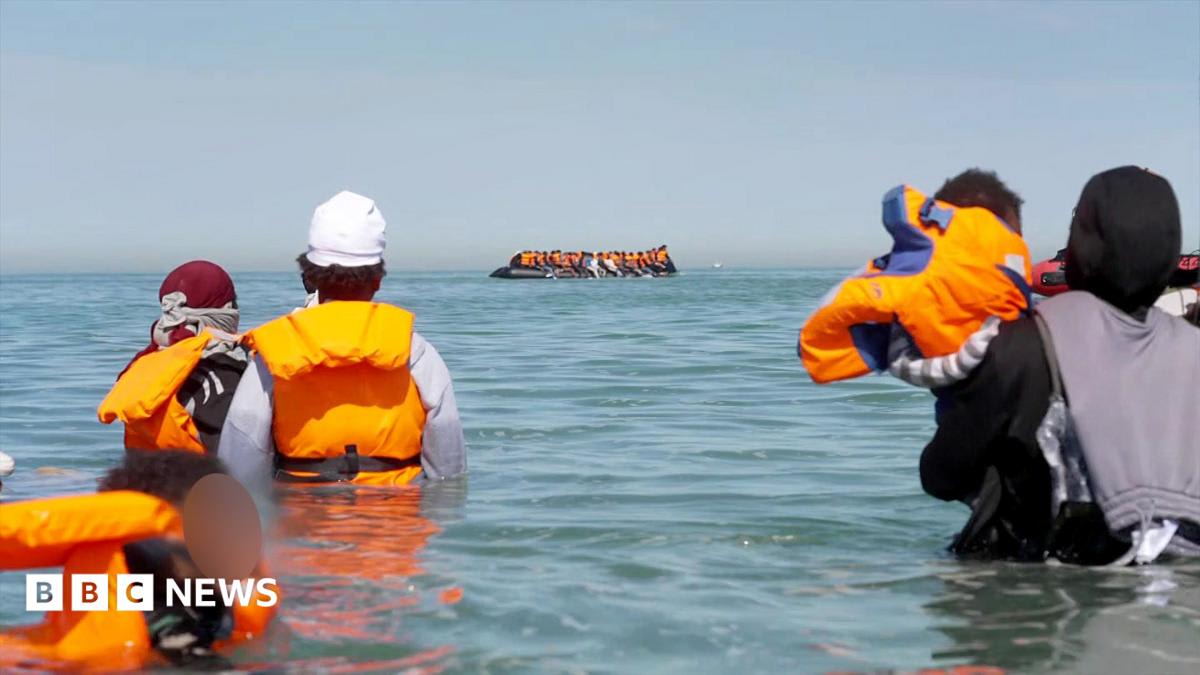
Smuggling gangs in the English Channel are adapting to supply shortages by collaborating and using 'mega-dinghies.' This shift comes as increased police patrols force criminals to alter their tactics and timing.
The Evolution of Channel Smuggling Tactics
A recent investigation has uncovered a significant shift in the operations of criminal smuggling networks along the English Channel. Faced with a persistent shortage of small boats—a direct consequence of intensified police crackdowns and supply chain disruptions—once-rival smuggling syndicates are increasingly forced into uneasy collaborations. This consolidation of resources marks a tactical pivot in an attempt to maintain the flow of illegal crossings despite an environment of heightened surveillance.
The Rise of the 'Mega-Dinghies'
The most alarming development in this criminal adaptation is the deployment of larger vessels, colloquially termed 'mega-dinghies.' These vessels are designed to carry higher volumes of migrants, allowing gangs to maximize profit margins while operating with fewer total boat launches. By consolidating passengers onto these larger, more hazardous craft, the syndicates are attempting to mitigate the impact of the current vessel shortage, though this inevitably increases the physical danger posed to those attempting the crossing.
Tactical Shifts in Timing and Logistics
Historically, smuggling operations favored the cover of darkness to evade detection. However, the current landscape of increased patrols has forced these groups to adapt their timing. Reports indicate that gangs are now frequently opting for daylight launches. This counter-intuitive strategy leverages the busy nature of coastal areas, such as Gravelines during peak holiday season, where the presence of civilians and tourists can create confusion, providing a window for rapid coordination and boarding before authorities can intervene.
The Intersection of Crime and Human Tragedy
The human cost of these operations remains stark. Reports from the French coast describe scenes of exhaustion and distress, where migrant families are left in vulnerable states when attempts fail. The juxtaposition of these desperate scenes against the backdrop of ordinary leisure activities, such as fishing or dog walking, highlights the profound disconnect between the criminal enterprise and the humanitarian crisis unfolding on the shoreline.
Broader Implications and Future Trends
The shift toward collaborative smuggling and larger vessels suggests that the current enforcement strategies are successfully disrupting traditional, smaller-scale operations but are simultaneously driving the criminal element toward more dangerous, high-capacity methods. As authorities continue to limit the availability of standard small boats, it is highly probable that the industry will continue to consolidate. Future trends likely involve even more sophisticated attempts to bypass maritime security, necessitating a continued evolution in international cooperation and surveillance tactics to curb these dangerous operations.