Fentanyl labelled Vitamin C, antacids: Gujarat man gets 4 years in US prison
Source Entity
Aditi Raja
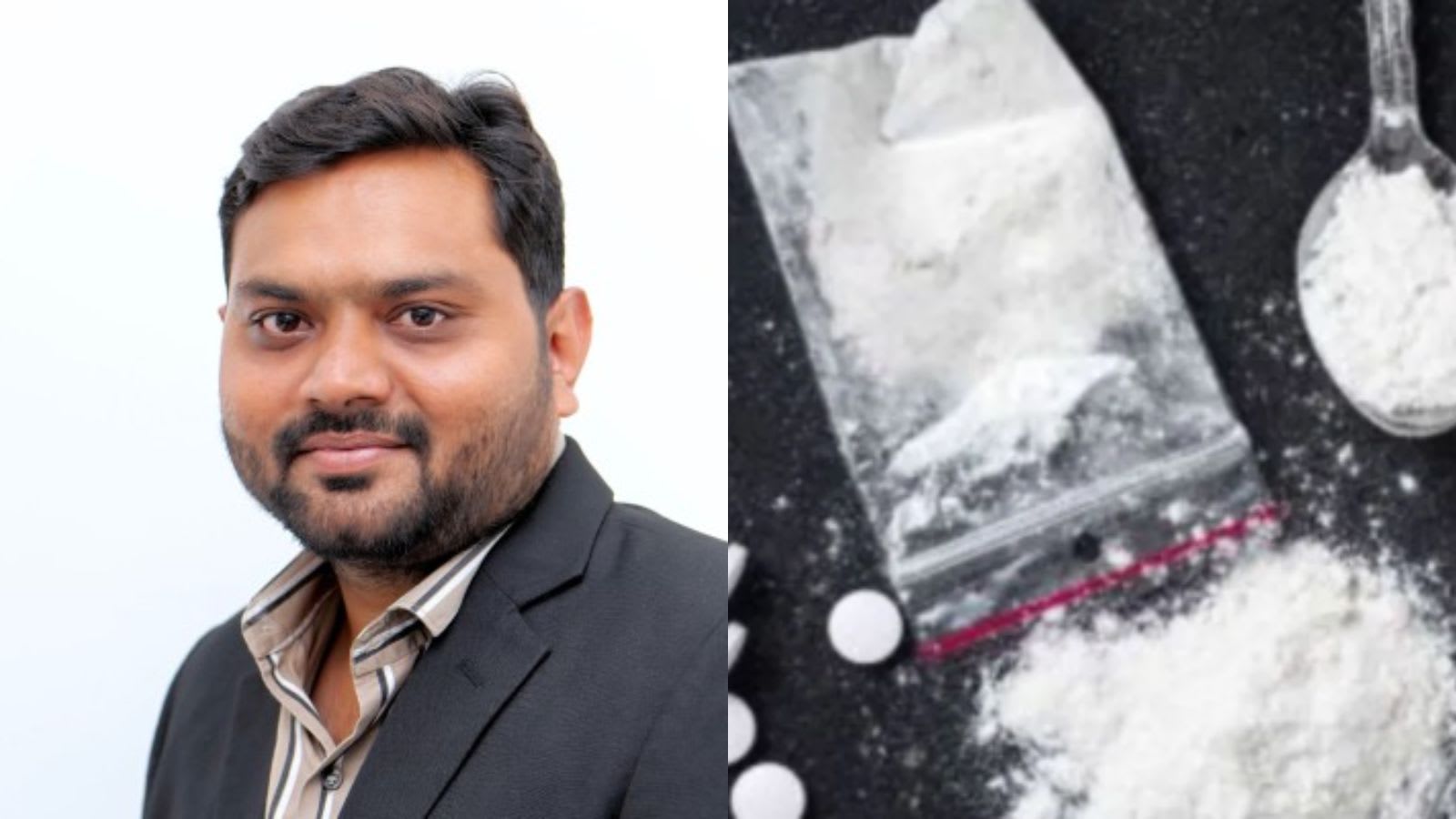
Authorities have cracked down on two separate drug-related offenses involving Gujarat-based entities. A businessman was sentenced to 54 months in a US prison for smuggling fentanyl precursors, while an Ahmedabad wholesaler lost its license for illegally shipping codeine-based cough syrups.
Crackdown on Gujarat-Based Drug Trafficking Operations
Recent legal actions in both the United States and India have shed light on the role of specific Gujarat-based entities in the illicit global and domestic trade of controlled substances. In a significant international development, Bhavesh Lathiya, a 37-year-old businessman from Gujarat, was sentenced to 54 months in a US federal prison. Lathiya, the founder of Surat-based Raxuter Chemicals, pleaded guilty to charges related to the smuggling and distribution of precursor chemicals essential for manufacturing fentanyl, a potent synthetic opioid that has fueled a major public health crisis in the United States.
The US Connection: Fentanyl Precursors
According to findings from the US Attorney’s Office for the Eastern District of New York, Lathiya utilized his company to facilitate the movement of over 50 pounds of chemicals, often mislabeling them as benign substances like Vitamin C or antacids to bypass customs scrutiny. This systematic deception highlights the sophisticated nature of transnational drug trafficking networks that exploit legitimate chemical trade routes. Beyond the prison sentence, Judge Pamela K. Chen ordered the forfeiture of $24,560, and Lathiya faces mandatory deportation upon the completion of his incarceration.
Domestic Enforcement: Codeine Syrup Diversion
Concurrently, in Gujarat, local authorities have taken decisive action against the domestic illicit drug trade. The Gujarat Food and Drugs Control Administration (FDCA) recently cancelled the drug license of an Ahmedabad-based wholesaler involved in the unauthorized distribution of Codeine-based cough syrups (CBCS). This administrative action follows a high-profile raid conducted by the Ahmedabad City Police’s Special Operations Group at the General Post Office, which resulted in the seizure of 5,050 bottles of 'Cof-Trip' syrup.
Regulatory Failures and Illicit Channels
The investigation into the Ahmedabad wholesaler revealed a pattern of shipping restricted pharmaceuticals to unlicensed vendors, specifically targeting markets in states like Mizoram. The misuse of postal services as a logistical channel for distributing controlled substances underscores the challenges regulators face in monitoring the distribution chain of habit-forming cough syrups. By bypassing state-mandated licensing requirements, these vendors have effectively created a shadow market for substances that require strict medical oversight.
Broader Implications and Future Trends
These two cases represent a broader, growing concern regarding the misuse of the chemical and pharmaceutical manufacturing sector in India’s industrial hubs. While the US case demonstrates a global reach, the domestic case highlights the internal regulatory gaps within the pharmaceutical supply chain. Moving forward, authorities are likely to implement more stringent oversight on the export of precursor chemicals and increase surveillance on postal shipments of medicinal products. The collaboration between international law enforcement and local drug control administrations serves as a critical deterrent against the normalization of these illicit practices.
Multiple Citing Sources