'They Can't Even Go To Bathroom': Trump Boasts Of Near-Total US Surveillance Over Iran
Source Entity
NDTV News Search Records Found 1000
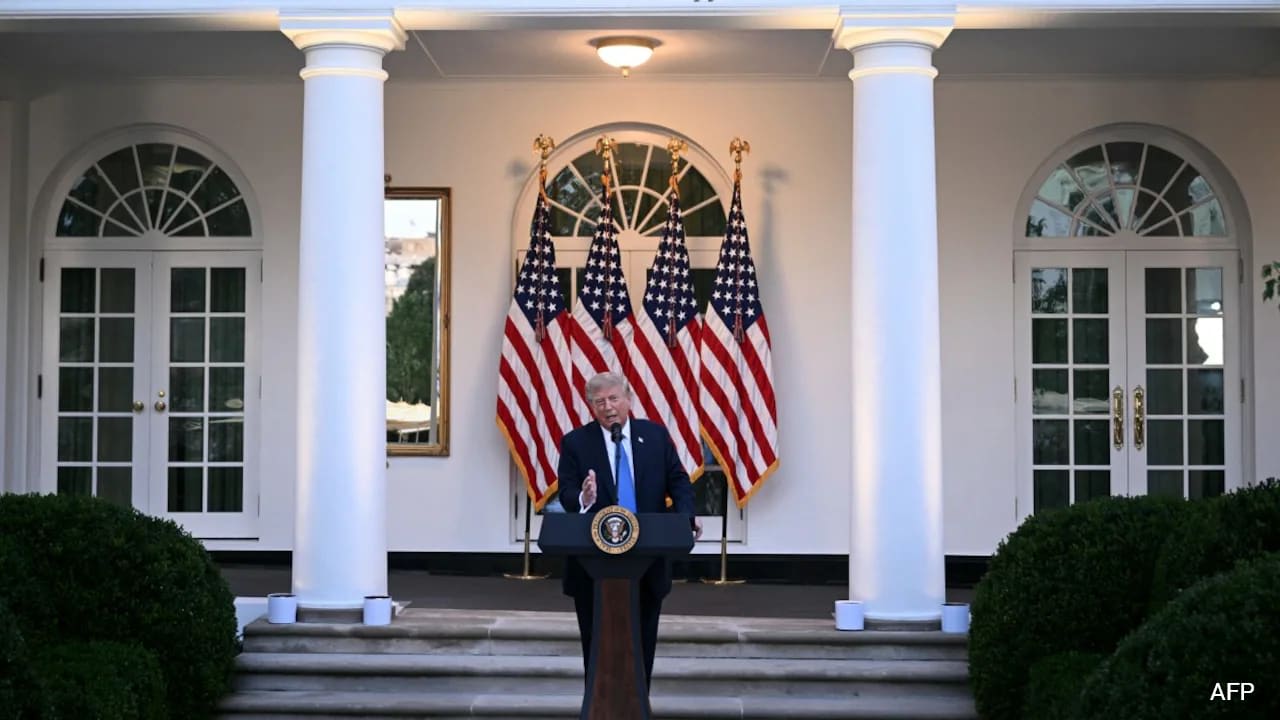
Former President Donald Trump has claimed that the U.S. maintains near-total surveillance over Iran, including monitoring private activities. This rhetoric aligns with the broader U.S. policy objective of economically isolating the Iranian regime.
The Rhetoric of Surveillance: Assessing U.S.-Iran Tensions
Recent statements attributed to former President Donald Trump suggest an unprecedented level of U.S. intelligence penetration regarding Iran. By claiming that Washington possesses the capability to monitor even the most private domestic activities of Iranian citizens and officials, the former president is highlighting the aggressive posture taken by U.S. intelligence agencies during his tenure. This assertion, while hyperbolic, serves to underscore the strategic priority placed on Iran as a primary geopolitical adversary.
The Economic Dimension of Conflict
The core of the current U.S. approach toward Tehran remains a policy of economic strangulation. By vowing to choke Iran’s economy, Washington has utilized a sophisticated toolkit of secondary sanctions, asset freezes, and global financial isolation. The goal is to limit the Iranian government's ability to fund its regional activities and domestic infrastructure, effectively leveraging economic instability as a tool of foreign policy pressure.
Intelligence as a Strategic Force Multiplier
When intelligence capabilities are paired with economic warfare, the intent is to create a sense of vulnerability within the Iranian leadership. If, as claimed, the United States maintains near-total surveillance, the strategic implication is that the Iranian state operates in a glass house. This psychological pressure is designed to complicate decision-making in Tehran, forcing the regime to account for the possibility that its internal communications and movements are being monitored in real-time.
Historical Context and Escalation
The history of U.S.-Iran relations is defined by cycles of sanctions and covert operations. From the 1979 revolution to the present day, intelligence gathering has been the bedrock of American policy. However, the explicit nature of these recent claims marks a shift toward publicizing these capabilities, likely intended to project strength to both domestic audiences and international allies who remain skeptical of Iran's regional influence.
Future Trends and Geopolitical Stability
Looking ahead, it is clear that the interplay between surveillance and economic pressure will continue to dictate the relationship. As Washington persists in its efforts to isolate Iran, the reliance on high-tech intelligence and financial warfare will likely intensify. The future of this standoff depends on whether these tactics lead to a negotiated settlement or further entrench the status quo of perpetual hostility between the two nations.
Concluding Summary
In summary, the claims of near-total surveillance, when viewed alongside the stated goal of choking Iran’s economy, represent a dual-track strategy of containment. While the effectiveness of these measures remains a subject of intense debate, the intent to exert maximum pressure on the Iranian state is unmistakable. The ongoing saga between Washington and Tehran continues to be one of the most significant and volatile dynamics in modern global politics.
Verification Required?