'Ankit Sharma died with 51 injuries': Death penalty sought for Tahir Hussain
Source Entity
TOI NEWS DESK
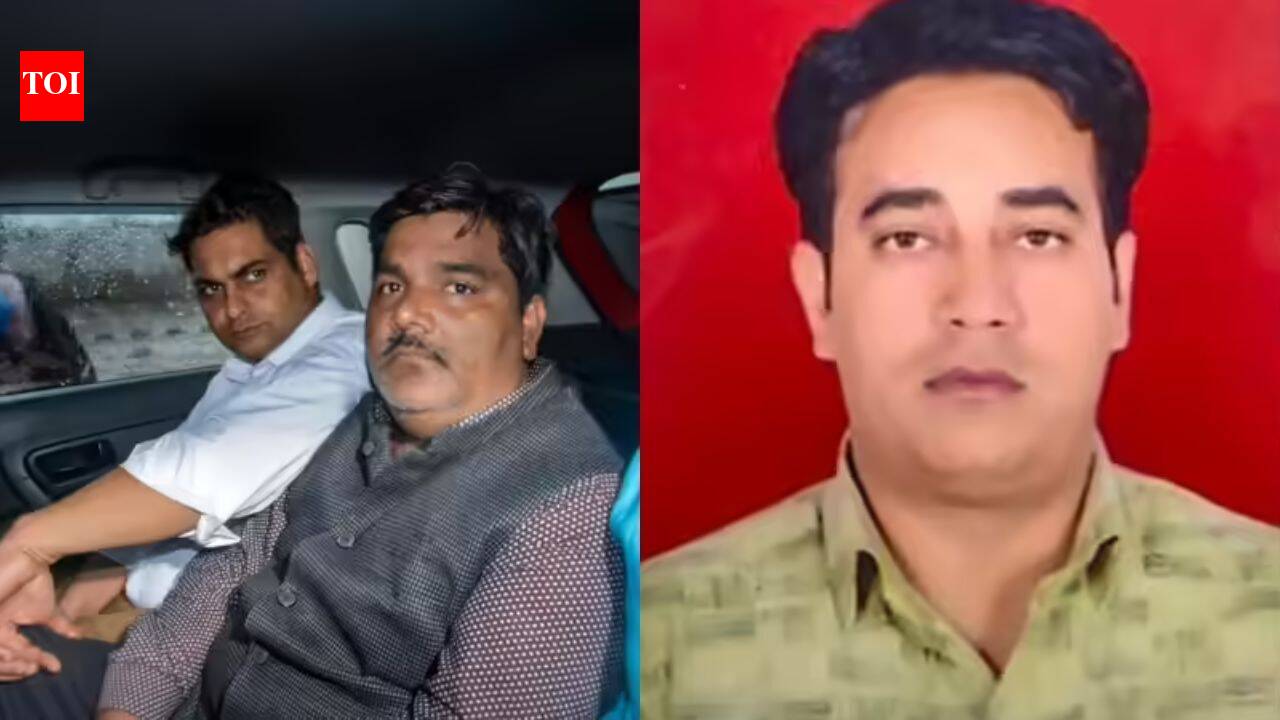
A special court has convicted Tahir Hussain and four others for the 2020 murder of IB officer Ankit Sharma. Prosecutors are now seeking the death penalty, citing the extreme brutality and premeditated nature of the assault.
The Tragic Case of Ankit Sharma: A Legal Reckoning
The Conviction and Prosecution Stance
A special court has reached a significant verdict in the 2020 murder case of Intelligence Bureau (IB) officer Ankit Sharma, convicting Tahir Hussain and four co-defendants for the crime. The legal proceedings have now entered a critical sentencing phase, with Special Public Prosecutor Madhukar Pandey formally requesting the death penalty for the accused. This demand is grounded in the prosecution's argument that the murder was not a spontaneous act of violence but a calculated, relentless assault that reflected an extreme degree of depravity.
Brutality and Premeditation
The prosecution's case rests on the gruesome details surrounding the death of the officer. Evidence presented in court suggests that Sharma sustained 51 distinct injuries, indicating a sustained and brutal physical attack. Perhaps most damning for the defense is the evidence that the victim was denied medical assistance after the assault. Instead of being transported to a hospital, his body was discarded in a drain, a detail that the prosecution highlights to underscore the 'rarest of rare' nature of the crime, which is a common legal threshold for seeking capital punishment in India.
Context of the 2020 Unrest
To understand the gravity of this verdict, one must view it through the lens of the intense civil unrest that gripped parts of Northeast Delhi in February 2020. The murder of Ankit Sharma became a central focal point of the broader investigations into the riots, symbolizing the vulnerability of law enforcement officials during periods of heightened sectarian and social volatility. The judicial focus on this specific case reflects the state's intent to hold high-profile individuals accountable for their alleged roles in orchestrating or participating in the violence.
Legal Implications and Precedents
The demand for the death penalty in this instance invites a broader discussion on the Indian judiciary's approach to capital punishment. By emphasizing the 'nature of the crime and the manner in which it was carried out,' the prosecution is attempting to align this case with established legal precedents where the brutality of the act outweighs mitigating factors. The court’s decision to convict is a major procedural milestone, signaling that the judicial system is prioritizing the thorough examination of forensic evidence and witness testimonies related to the 2020 riots.
Broader Societal Impact
The conviction of a prominent figure like Tahir Hussain serves as a stark reminder of the long-term legal repercussions of organized mob violence. As the case proceeds toward the final sentencing, it continues to draw significant public and media attention, serving as a bellwether for how the Indian legal system manages cases involving political figures accused of inciting or participating in communal violence. The outcome will likely influence future discourse regarding the accountability of public figures during public order crises.
Conclusion
The legal trajectory of the Ankit Sharma murder case underscores the judiciary's commitment to addressing the atrocities committed during the 2020 Delhi riots. As the court weighs the prosecution's request for the death penalty, the focus remains on the severity of the 51 injuries sustained by the victim and the deliberate lack of mercy shown by the perpetrators. This case remains a pivotal moment in the pursuit of justice for victims of the unrest.