Anna Hazare observes silent fast, backs demand for Dharmendra Pradhan’s resignation
Source Entity
The Indian Express
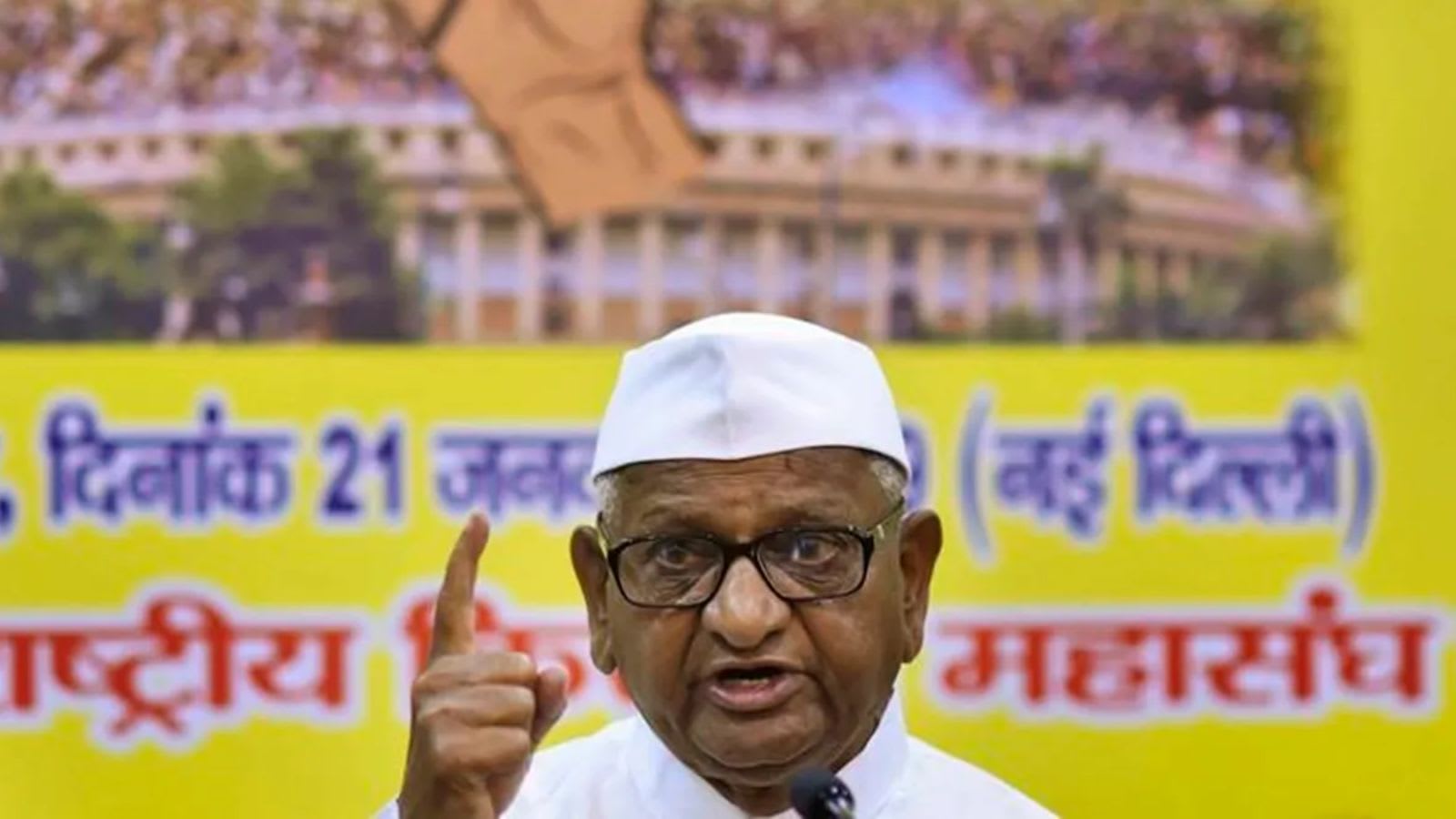
Social activist Anna Hazare held a silent protest in Ahilyanagar to support students demonstrating against NEET examination irregularities. He has formally requested the resignation of Education Minister Dharmendra Pradhan, citing the gravity of the ongoing protests.
The Resurgence of Student Activism: Anna Hazare’s Silent Protest
Social activist Anna Hazare, long synonymous with anti-corruption movements in India, recently staged a maun andolan (silent protest) in Ahilyanagar, Maharashtra. The two-hour demonstration, held at the statue of Mahatma Gandhi, was a direct expression of solidarity with students in Delhi who are currently agitating against alleged irregularities and paper leaks in the NEET examination process. Hazare’s involvement highlights the deepening national concern regarding the integrity of competitive exams.
Demanding Ministerial Accountability
The core of the current unrest lies in the perceived failure of systemic oversight in the education sector. Anna Hazare has explicitly backed the students’ demand for the resignation of Union Education Minister Dharmendra Pradhan. By stating, "He should resign," Hazare has elevated the discourse from a localized grievance to a national political imperative, suggesting that accountability must start at the highest levels of the ministry to address the systemic rot students feel they are encountering.
Escalation and Police Intervention
The protests in Delhi have been marred by clashes between demonstrators and police forces, resulting in injuries and the filing of FIRs against unidentified persons for rioting and property damage. Hazare addressed these developments in a letter to Prime Minister Narendra Modi, characterizing the situation not merely as a law and order issue, but as a reflection of the profound "agony and expectations" of the youth. His emotional response at the protest venue, where he was visibly moved by the students' posters, underscores the human element currently driving this movement.
The Broader Context of Student Agitation
This movement is part of a larger wave of student-led activism in India. The mention of other activists, such as Sonam Wangchuk—who remains hospitalized following a prolonged hunger strike—suggests a growing trend where civil society figures are increasingly aligning with student groups to challenge government policy. The involvement of political entities, such as the Cockroach Janta Party, further complicates the landscape, as various factions seek to leverage the students' grievances to demand greater transparency and administrative reform.
Future Implications and Trends
The reliance on the maun andolan as a tool for protest echoes Hazare’s historical tactics, which prioritize Gandhian non-violence. However, the current environment is significantly more polarized than in previous decades. If the government fails to address the underlying issues of paper leaks and examination security, the trend suggests that student protests will likely gain more traction, potentially drawing in further support from seasoned activists and opposition groups. The government now faces a delicate balance: addressing the structural failures of the examination system while managing the political fallout of a growing national movement.