The National Democratic Alliance’s increased strength in the Lok Sabha since 2024 | Graphics
Source Entity
India Latest News: Top National Headlines Today & Breaking News | The Hindu
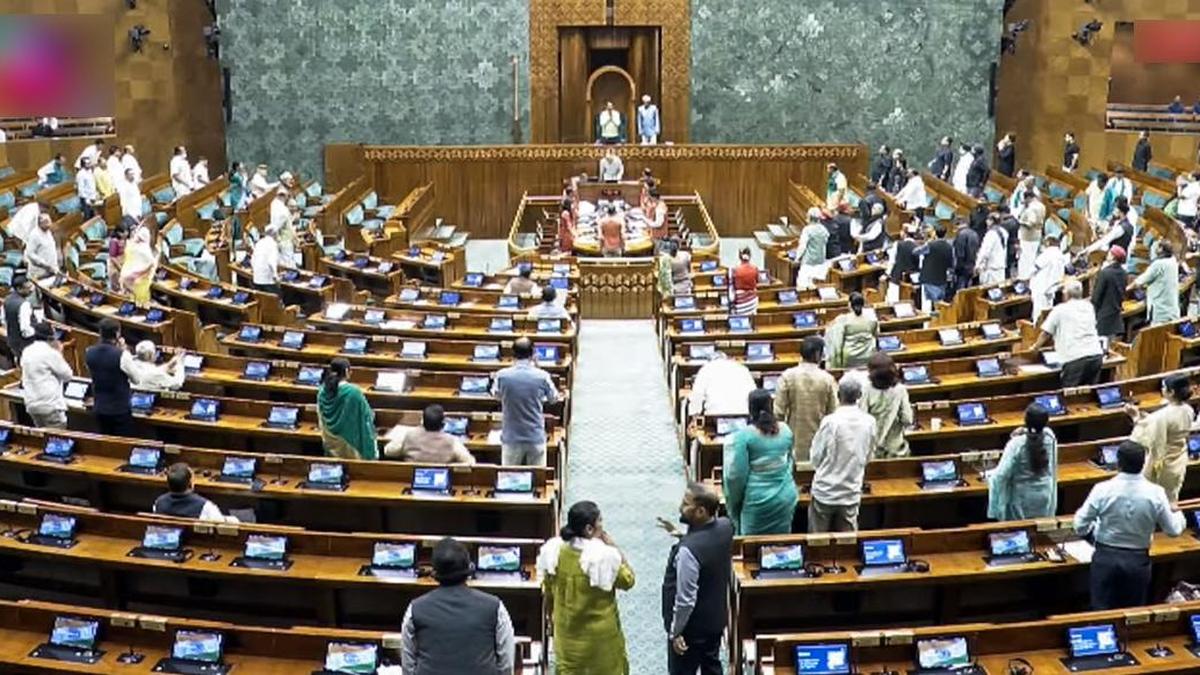
The NDA has bolstered its Lok Sabha strength to 318 MPs following defections from Trinamool Congress and Shiv Sena (UBT). This shift, involving 26 members joining pro-NDA factions, has sparked significant constitutional debate.
Shifting Parliamentary Dynamics: The NDA’s Expansion
The landscape of the Indian Lok Sabha has undergone a significant transformation as the monsoon session commences. The National Democratic Alliance (NDA) has effectively expanded its legislative footprint, reaching a total of 318 Members of Parliament (MPs). This surge in numbers is primarily attributed to internal fractures within key opposition parties, specifically the Trinamool Congress (TMC) and the Shiv Sena (Uddhav Balasaheb Thackeray).
The Mechanics of the Defections
Following a period of internal volatility that began in June, the political architecture of the opposition faced a substantial blow. Twenty MPs from the Trinamool Congress initiated a rebellion, ultimately merging with the National Citizens Party of India (NCPI). The NCPI, a Tripura-based, registered, and previously unrecognised entity, has strategically aligned itself with the BJP-led NDA. This move effectively transitioned a significant bloc of votes from an opposition stronghold into the government's column.
The Shiv Sena (UBT) Split
Concurrent with the developments in the TMC, the Shiv Sena (UBT) experienced a further erosion of its ranks. On June 19, 2026, six MPs from the UBT faction defected to the Eknath Shinde-led Shiv Sena. This development continues the trend of consolidation within the Shinde faction, further solidifying the NDA's dominance in the lower house and marginalizing the influence of the Uddhav Thackeray-led faction in national legislative proceedings.
Constitutional and Political Implications
These shifts have not occurred without controversy. The opposition has vehemently labeled these defections as "illegal" and "unconstitutional," challenging the procedural legitimacy of the mergers and individual switches. Such claims highlight the ongoing tension between parliamentary floor-crossing and the anti-defection laws that govern the stability of Indian political parties. The debate over whether these maneuvers represent a genuine change in political allegiance or calculated exploitation of legal loopholes remains a central theme of the current parliamentary session.
Broader Impact on Governance
With the NDA's strength now standing at 318 MPs, the government commands a more robust majority. This numerical advantage is likely to streamline the passage of legislative agendas and policy initiatives during the monsoon session. By absorbing these 26 members, the NDA has effectively insulated itself against minor internal dissent, providing a more stable voting bloc for critical national decisions.
Future Trends and Outlook
Looking ahead, the emergence of the NCPI as a pivotal player within the NDA framework suggests that smaller, regional parties may play an increasingly important role in national coalition politics. The consolidation of these 26 seats indicates that the NDA is actively expanding its reach into previously contested territories. Observers will be closely watching how the opposition responds to these losses and whether they can prevent further attrition in the coming months, as these shifts continue to redefine the balance of power in the Lok Sabha.
Verification Required?